
Last updated October 16, 2026


Free written scope consultation - allowances, timeline, and change-order rules on paper before a single trade is scheduled
Construction Cost Breakdown: The San Antonio Homeowner’s Reference for 2026
The average cost-per-square-foot figure for San Antonio remodels is almost useless. A $180/sq ft kitchen remodel and a $180/sq ft bathroom remodel have almost nothing in common in terms of what drives the price, and using that number to evaluate a bid will get you burned. This guide breaks down what actually drives construction costs in San Antonio in 2026: which trades charge what, where materials come from, how change orders inflate final invoices, and what a fair price looks like for the city’s five most common projects. For more guides & resources, visit our blog. By the end, you’ll know how to read a bid line by line and spot the padding before you sign.
Styles & brands we work with







Quick Answer
Remodeling costs in San Antonio in 2026 typically run $95 to $250 per square foot depending on the room, with kitchens ranging from $35,000 to $85,000, bathrooms from $18,000 to $45,000, and whole-home renovations from $150,000 to $400,000. The three forces pushing prices upward are material inflation on name-brand surfaces and fixtures, a skilled labor shortage hitting tile and electrical trades hardest, and zip-code-based subcontractor pricing that shifts by thousands of dollars across San Antonio neighborhoods. You can control roughly 70% of your final cost through scope discipline, material selection, and contract language before work begins.
Table of Contents
- Kitchen Remodel Costs in San Antonio: The 2026 Numbers
- Bathroom Remodel Costs: What the Trades Actually Charge
- Master Suite Additions and Room Conversions: Structural Work Changes the Math
- Exterior Work: Roofing, Siding, and What San Antonio Weather Does to Pricing
- The Labor Cost Reality: Which Trades Are Charging More and Why
- Material Sourcing in San Antonio: Big Box, Local Yards, and Salvage
- What Change Orders Actually Cost: The $30K Kitchen That Became $42K
- The True Cost of the Lowest Bid
- Common Mistakes to Avoid
- When to Call a Professional
- Frequently Asked Questions
- The Bottom Line
Kitchen Remodel Costs in San Antonio: The 2026 Numbers
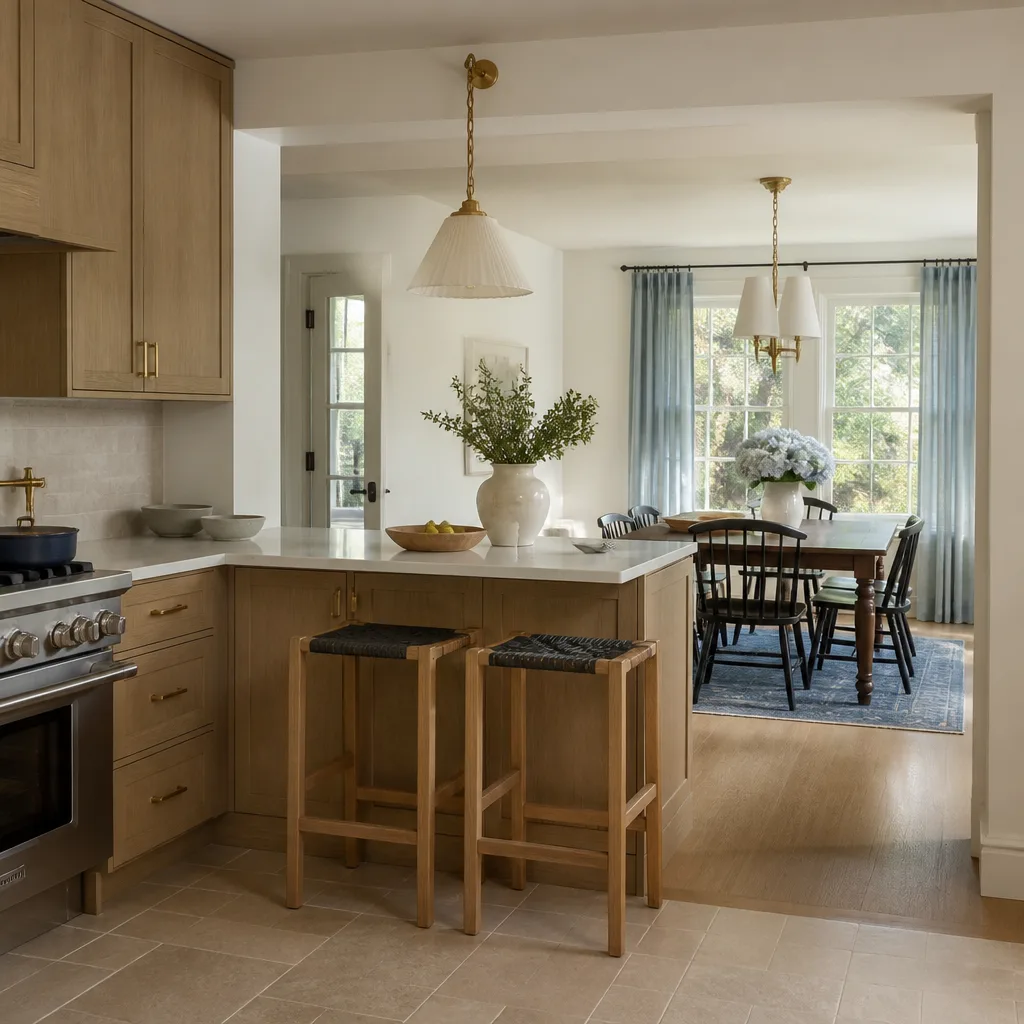
A kitchen remodel in San Antonio in 2026 runs $35,000 to $85,000 for a typical 150 to 250 square foot space, with the final number set by cabinet grade, countertop material, and whether walls move. The single biggest line item is cabinetry, which accounts for 25% to 35% of the total budget. Semi-custom lines like KraftMaid or Wellborn land in the middle; full custom cabs push the number past $40,000 on their own in some San Antonio homes. Countertops follow at 10% to 15%, with quartz from Cambria or Caesarstone running $75 to $150 per square foot installed. Plumbing fixtures from Kohler or a mid-tier brand like Moen add another $3,000 to $8,000 depending on faucet count and finish.
Here’s the tier breakdown for San Antonio in 2026:
- Low tier ($35K – $50K): Stock or semi-custom cabinets, mid-grade quartz or granite, laminate or butcher block island top, no wall removal, standard Kohler or Moen fixtures, LVP or mid-grade tile flooring. This is a cosmetic refresh with the same footprint.
- Mid tier ($50K – $70K): Semi-custom cabinets with soft-close hardware, Cambria or Caesarstone counters, a moved sink or appliance location, upgraded backsplash to the ceiling, under-cabinet lighting, and a kitchen island added or expanded. Some drywall and electrical work enters the picture.
- High tier ($70K – $85K+): Full custom cabinetry, a wall removed with a structural beam installed, luxury appliances, quartzite or premium slab stone, custom hood, pot filler, and dedicated lighting plans. Permits, engineering, and a longer timeline are baked into this number.
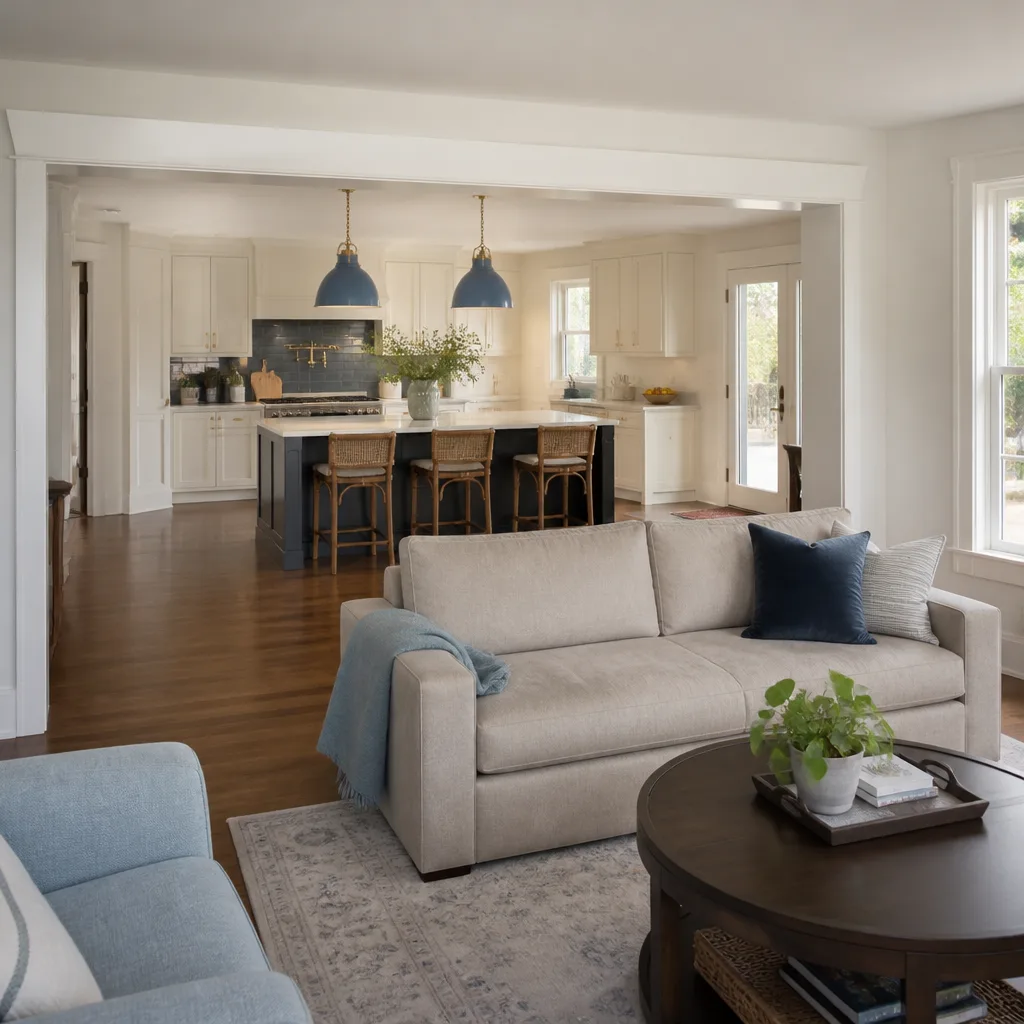
San Antonio kitchens built in the 1970s through the 1990s often have load-bearing walls between the kitchen and living room. Removing one adds $3,000 to $7,000 for engineering and beam work, and that’s before drywall, flooring, and trim. If your bid doesn’t mention a beam and you’re removing a wall, that’s a red flag: the contractor either missed it or is planning to surprise you later.
See how these kitchen numbers compare to full-home work in our Home Renovation in San Antonio guide.
Bathroom Remodel Costs: What the Trades Actually Charge
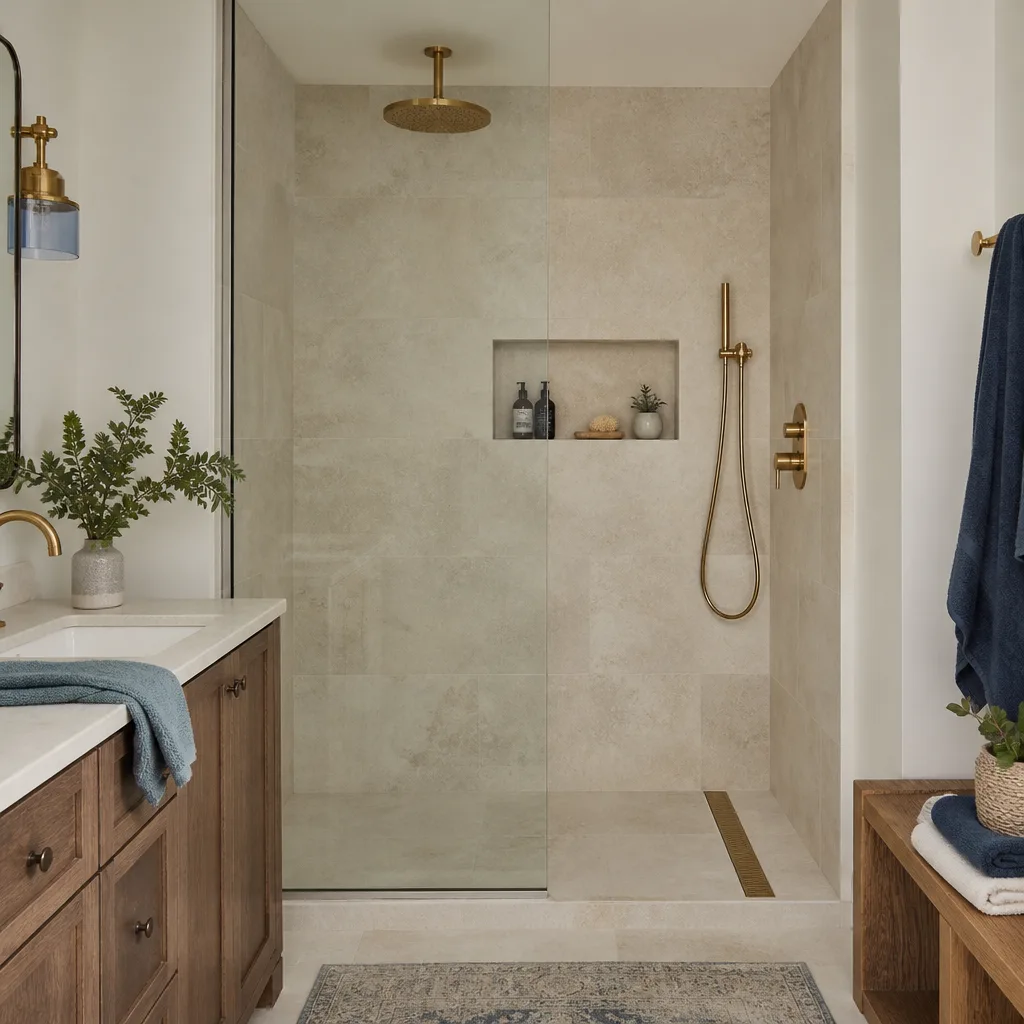
A full bathroom remodel in San Antonio costs $18,000 to $45,000 in 2026, with the spread driven almost entirely by tile scope and waterproofing method. A guest bath with a tub surround and basic tile runs at the low end; a primary bath with a walk-in shower, custom glass, and heated floors hits the top. The trades driving this number are plumbers, electricians, tile setters, and glass installers, and each has raised rates over the last two years.
The waterproofing method matters more than most homeowners realize. A shower built with a traditional rubber pan and cement board costs less upfront, but a Schluter system (the orange membrane that waterproofs the entire shower cavity before tile goes on) adds $1,500 to $3,000 in materials and labor. In San Antonio’s humidity, that’s not an upgrade we’d skip. A failed shower pan in a slab foundation home means jackhammering concrete, and that repair starts around $6,000. The waterproofing line item is cheap insurance compared to what failure costs.
Bathroom tier breakdown for 2026:
- Low tier ($18K – $26K): Standard 5×8 guest bath, tub with tile surround, mid-grade porcelain tile, stock vanity, Moen or Delta fixtures, no layout changes. All plumbing stays in place.
- Mid tier ($26K – $36K): Primary bath with walk-in shower, custom glass enclosure, Schluter waterproofing, semi-custom vanity, upgraded tile, heated floor, relocated plumbing if the slab allows. This is where most San Antonio primary baths land.
- High tier ($36K – $45K+): Freestanding tub added, full Schluter system, large-format tile with custom layouts, Grohe or Kohler premium fixtures, curbless shower, custom cabinetry. Layout changes on a slab foundation require concrete cutting, which adds $2,500 to $5,000.
One San Antonio-specific note: many homes here sit on post-tension slabs, which means you can’t simply cut into the concrete without knowing where the cables run. A GPR scan costs $500 to $1,200 and tells you where you can and cannot trench. A reputable contractor includes this in the bid. A cheap bid skips it and hopes for the best. The difference between those two approaches is the difference between a clean bathroom remodel and a structural repair bill.
Get the full scope breakdown in our Bathroom Remodeling in San Antonio guide.
Master Suite Additions and Room Conversions: Structural Work Changes the Math
A master suite addition in San Antonio runs $150,000 to $300,000 in 2026, while a room conversion (garage to living space, attic to bedroom) lands between $30,000 and $70,000. The difference is foundation work. An addition requires new slab, new framing from the ground up, new roof ties into the existing structure, and HVAC, plumbing, and electrical from scratch. A conversion works within an existing envelope, which changes the cost structure entirely.
Master suite addition, line by line:
- Plans and permits: $4,000 to $9,000. San Antonio’s permitting process requires stamped plans for structural additions, and the plan review timeline runs 4 to 8 weeks depending on the City of San Antonio Development Services workload.
- Foundation: $12,000 to $20,000 for a typical 400 to 600 square foot slab. Soil testing in San Antonio matters here: the city’s expansive clay soil shifts with moisture, and a slab built without proper compaction shows cracks within a few seasons.
- Framing and roof: $25,000 to $45,000. The roof tie-in is the tricky part, and a bad tie-in leaks at the seam. GAF or CertainTeed shingles matched to the existing roof add $8,000 to $15,000 depending on the pitch.
- Rough trades (electrical, plumbing, HVAC): $15,000 to $30,000. Running a new HVAC duct line from the existing system is the biggest variable; if the current unit can’t handle the added square footage, a mini-split adds $6,000 to $10,000.
- Finishes: $40,000 to $80,000. This covers drywall, flooring, paint, the bathroom in the suite, closet build-out, and fixtures. The range is wide because finish choices swing this number more than any other line.
Garage conversions in San Antonio neighborhoods like Alamo Heights, Terrell Hills, and older pockets near Woodlawn Lake are popular because the garage already has a slab and roof. But those conversions come with their own costs: insulation and drywall on exterior walls ($8,000 to $15,000), raising the floor to match the house if the garage slab sits lower ($3,000 to $6,000), and window or door replacements to meet egress requirements. San Antonio code also requires a permit for any garage-to-living conversion, and skipped permits become a problem when you sell the house and the square footage doesn’t match county records. See Construction Permits, Codes & Inspections in TX: What You Need to Know for details on the full permitting process.
Exterior Work: Roofing, Siding, and What San Antonio Weather Does to Pricing
Exterior projects in San Antonio follow a different cost curve than interior work. A full roof replacement runs $12,000 to $28,000 for a typical 2,000 to 3,000 square foot single-story home in 2026, with GAF and CertainTeed shingles occupying the mid-to-premium tiers. James Hardie siding runs $18,000 to $40,000 depending on the home’s footprint and whether old siding is removed or covered. These numbers shift with San Antonio’s weather patterns: hail season in the spring drives demand spikes, and summer heat means roof crews work shorter windows, which extends timelines and bumps labor rates by 10% to 15% from June through September.
The hail factor deserves its own paragraph. San Antonio sits in the Texas hail belt, and after a major storm, roofing contractors flood the city from Dallas, Houston, and out of state. Prices spike for two to four months, then settle. If your roof isn’t storm-damaged, the smart play is to schedule the replacement in October through February, when crews have capacity and material suppliers aren’t dealing with regional demand surges. The same GAF shingle that costs $110 per square (100 square feet of roof area) in October can run $135 per square in April after a big hail event, purely because of demand.
Siding tells a different story. James Hardie fiber cement is the dominant product in San Antonio because it handles the heat and UV exposure better than vinyl, but it’s also more expensive to install. The labor on Hardie runs $3 to $5 per square foot because the boards are heavier, the cutting creates silica dust that requires respirators, and the install is slower than vinyl. That labor premium is real, but so is the product: Hardie doesn’t warp in 105-degree direct sun the way budget vinyl sometimes does on south-facing walls.
For exterior scope connected to a larger project, see our General Contractor in San Antonio page.
The Labor Cost Reality: Which Trades Are Charging More and Why
San Antonio’s construction boom has hit the skilled trades unevenly, and that unevenness shows up in your bid. Tile setters, finish carpenters, and electricians have raised rates the most in the last 24 months, and the reasons are specific. The tile trade lost installers during the 2020 downturn and never fully recovered; San Antonio new construction absorbed many of the remaining setters into production work where they can hit volume without dealing with remodels. A good tile setter doing custom work in a home now charges $8 to $14 per square foot for labor alone, up from $5 to $8 three years ago. That’s a 60% increase, and it’s the single biggest reason bathroom remodels have jumped more in percentage terms than any other room.
Finish carpenters are scarce for a different reason. The cabinet installation trade requires skills that don’t transfer from framing, and the number of apprentices entering the trade in San Antonio hasn’t kept pace with retirement. Trim work, cabinet install, and custom built-ins now run $45 to $85 per hour for a qualified finish carpenter, and the best ones are booked four to eight weeks out. Electricians are in the middle: San Antonio’s commercial sector (think the medical center expansion, downtown hospitality work, and industrial projects on the east side) pays well enough that residential electricians can command $90 to $130 per hour for a master, with the helpers billed separately. A bathroom remodel that needed $1,200 in electrical work in 2021 now needs $2,000 to $2,800 for the same scope.
The trade not experiencing sharp increases: plumbers. San Antonio’s plumbing rates have tracked mostly flat because the trade recovered faster and new plumbing companies entered the market. A licensed plumber runs $85 to $110 per hour, and a toilet relocation or shower valve replacement hasn’t changed much in three years. If a bid shows plumbing as the highest trade line and the scope doesn’t involve moving the main stack or replacing the sewer line, ask questions.
Material Sourcing in San Antonio: Big Box, Local Yards, and Salvage
Where you buy materials changes the final number by 10% to 20%, but the smart answer varies by product category. Big box stores (Home Depot and Lowe’s both have deep San Antonio footprints) win on commodity items: dimensional lumber, drywall, PVC, basic vanities, and door hardware. Their buying power on those items is real, and the local yards don’t compete on price for a 2×4 or a sheet of half-inch drywall. If you’re self-performing or hiring a contractor who marks up materials, the big box price on commodities is the baseline to measure against.
Local lumber yards (McCoy’s has multiple San Antonio locations, and there are independents on the south and east sides) win on specialty items: engineered beams, long-span joists, cedar, and anything that requires a quality grade the big box doesn’t stock. They also deliver with better care. When a job needs a 24-foot LVL beam or straight 16-footers for a tall ceiling, the local yard’s lumber is graded properly and stored under cover, which matters in San Antonio’s climate where big-box lumber sitting in the open can warp in the summer heat. The price difference on framing lumber between a good local yard and Home Depot is often 5% to 8%, and that’s worth paying for anything structural.
Salvage in San Antonio is a specific play. The city has a handful of architectural salvage outfits, mostly clustered around the near north side and the Deco District, where you can find original hardwood doors, mid-century light fixtures, and reclaimed longleaf pine flooring from older San Antonio homes being demolished or gutted. Reclaimed pine flooring runs $7 to $12 per square foot installed, compared to $4 to $8 for new red oak, but the character is different and it’s already acclimated to the Texas climate. The catch is availability: you can’t plan a kitchen remodel around a specific salvaged item unless you buy it first and design around it. For most homeowners, salvage works best for accents (a door, a mantle, a light fixture) rather than structural or bulk-finish materials.
What Change Orders Actually Cost: The $30K Kitchen That Became $42K
A change order is how a $30,000 kitchen remodel becomes a $42,000 kitchen, and it happens faster than most San Antonio homeowners expect. The mechanism is simple: once a contract is signed, any scope change shifts from competitive bid pricing to sole-source pricing. The contractor is already on the job, you’re committed, and the new work isn’t something three contractors bid against each other. The margin on change orders runs 20% to 40% higher than the margin on the original scope, and that’s before the labor inefficiency of stopping mid-job to rework something.
Here’s the sequence that produced the $30K-to-$42K kitchen:
- The cabinet discovery: After demo, the contractor finds the wall behind the sink has a vent stack where the new cabinet run was planned. Rerouting the vent costs $1,800. Original budget: $30,000. Running total: $31,800.
- The countertop upgrade: The homeowner visits the slab yard and falls for a premium quartzite instead of the specified quartz. The upgrade is $35 per square foot over budget, on 55 square feet. Change order: $1,925. Total: $33,725.
- The lighting add: The homeowner decides under-cabinet lights and pendant lights over the island weren’t in the original electrical scope. Adding two circuits and fixtures: $2,400. Total: $36,125.
- The backsplash elevation: Original scope was 18-inch backsplash. The homeowner wants tile to the ceiling. Added tile and labor: $1,850. Total: $37,975.
- The flooring domino: The new cabinet layout doesn’t match the old flooring footprint. Patching the floor looks bad, so the whole kitchen floor gets replaced instead of patched. New scope: $4,000. Total: $41,975.
None of these changes were unreasonable in isolation. The problem is that each one was decided after the contract locked the scope, which means each line item carried a change-order premium. The fix isn’t to avoid changes; it’s to build a contingency line (10% to 15% of the project total) into your own budget and to write the contract so any change order above $500 requires a written quote before work proceeds. A contractor who won’t put that in writing will price change orders however the job is going, not however the work should cost.
The True Cost of the Lowest Bid
Underbid projects don’t stay underbid. A contractor who lands a $28,000 bathroom remodel bid against competitors at $34,000 has to recover that $6,000 somewhere, and the recovery happens through the mechanisms this guide has already covered: change orders, material substitutions, and schedule extensions. The pattern is predictable enough that we can walk through it line by line.
Material substitution is the most common recovery tool. The bid says “quartz countertops” and the contract doesn’t name a brand. The slab yard the contractor uses has quartz at $45 per square foot and quartz at $85 per square foot, and the homeowner has no way to know which was priced. The low bid prices the $45 material. When the homeowner picks a slab they like, it’s the $85 material, and the change order adds $2,200. The bid said the right words; it just didn’t commit to the products those words imply.
Timeline extension is the second lever. A low bid often means the contractor has too much work and not enough crew. Your four-week bathroom takes seven weeks, and by week five you’re so tired of the dust that you’ll agree to anything to finish. The contractor knows this. It’s not malice; it’s the economics of an overbooked schedule. The schedule was never realistic, and the price was never sufficient to prioritize your job over the three others the crew is juggling. San Antonio’s construction market in 2026 has enough demand that a legitimate contractor doesn’t need to chase work with low pricing. If a bid comes in 15% to 20% below the next two, the discount is coming from somewhere, and that somewhere is usually your scope or your schedule.
Common Mistakes to Avoid
- Using cost-per-square-foot as your only metric. A bathroom and a kitchen at the same per-square-foot figure have completely different cost drivers. Compare line items, not averages.
- Signing a bid that doesn’t name material brands. “Quartz countertops” isn’t a specification. Cambria, Caesarstone, and no-name import quartz span a $40 per square foot range. Get brands in writing before you sign.
- Skipping the GPR scan on slab work. San Antonio’s post-tension slabs mean cutting without a scan risks hitting a cable. The $500 to $1,200 scan is the cheapest insurance in the entire project.
- Planning exterior work during hail season. Spring roof replacements in San Antonio cost 10% to 15% more due to storm demand. If your roof isn’t damaged, schedule it in the fall or winter.
- Accepting a change order verbally. If it’s not in writing with a price attached, it doesn’t exist. A verbal “we’ll figure it out” is how budget overruns are born.
- Hiring based on availability alone. San Antonio’s good contractors are booked out weeks in advance. If someone can start tomorrow, ask why their schedule is empty.
- Ignoring waterproofing method in bathrooms. A shower built without a modern waterproofing system will fail in San Antonio’s humidity, and the repair costs more than the original install. Specify the system by name.
When to Call a Professional
This guide gives you the numbers, but reading a bid and signing a contract are different skills. Call a professional when the project involves structural work (wall removal, additions, foundation changes), when waterproofing is involved (any shower build), when permits are required (San Antonio Development Services doesn’t accept “we didn’t know” as a defense), or when the scope spans multiple trades that need coordination. A general contractor handles the sequence, the permits, and the subs; a homeowner managing three trades separately absorbs the scheduling gaps and the finger-pointing. Sawyer Remodel San Antonio offers free estimates in San Antonio with a written price before any work starts. Call (432) 547-6806 to schedule yours.
Frequently Asked Questions
A kitchen remodel in San Antonio runs $35,000 to $85,000 in 2026, with the range driven by cabinet grade, countertop material, and whether you move walls or plumbing. A cosmetic refresh in the same footprint lands at the low end; a full gut with structural changes and custom cabinets lands at the top. Call (432) 547-6806 to get a written price for your specific kitchen.
A full bathroom remodel in San Antonio costs $18,000 to $45,000 in 2026. Guest baths with a tub surround and stock vanity sit in the $18K to $26K range, while primary baths with walk-in showers, custom glass, and premium fixtures run $36K and up. The waterproofing method and tile scope are the two biggest variables, and both should be specified by name in your bid.
The price should not change if your contract specifies material brands, includes a written change-order process, and locks scope before demo begins. Change orders happen when scope is added after the contract is signed, and those additions carry a 20% to 40% premium over the original bid pricing. A reputable contractor puts the change-order process in writing so every adjustment is quoted and approved before work proceeds.
Yes. San Antonio requires permits for structural changes, electrical work, plumbing relocations, and any conversion of non-living space (like a garage) to living space. Skipping permits creates problems when you sell, and unpermitted work can be flagged by Bexar County appraisers who compare square footage against county records. A general contractor in San Antonio handles the permit process as part of the project.
A bathroom remodel takes 3 to 6 weeks depending on scope; a kitchen takes 6 to 10 weeks; a master suite addition takes 12 to 20 weeks including permitting. These timelines assume the materials are on site and the subcontractor schedule holds. San Antonio’s construction demand in 2026 means the best crews are booked out, and realistic scheduling is a sign of an honest contractor, not a warning flag.
Low bids in San Antonio typically recover their margin through change orders, material substitutions, and schedule extensions. A bid 15% to 20% below competitors means the contractor priced different materials than you’ll actually choose, omitted scope they’ll bill later, or is overbooked and will stretch your timeline. The cheapest bid is often the most expensive project, and written specifications are the only way to compare bids line by line.
The Bottom Line
San Antonio remodeling in 2026 is priced by three forces: material inflation that hits name-brand surfaces and fixtures hardest, a labor shortage that has pushed tile and finish carpentry rates up by 40% to 60% in two years, and a subcontractor market that prices differently by zip code, season, and demand. You can’t control those forces, but you can control how they hit your project. Get written specifications with named brands, insist on a change-order process in the contract, budget a 10% to 15% contingency, and compare bids line by line rather than by total. The number on the invoice should be the number you approved, and with the right contract language, it will be. Start with the Sawyer Remodel San Antonio home page to see how a written-price remodel works.
Written by Luca Romano, Owner at Sawyer Remodel San Antonio, serving San Antonio since 2005.
See the difference
 Before
 After
After Before
 After
After Before
 After
After

