


Free written scope consultation - allowances, timeline, and change-order rules on paper before a single trade is scheduled
Styles & brands we work with







See the difference
 Before
 After
After Before
 After
After Before
 After
AfterHow Much Does Construction Cost in San Antonio?
Most homeowners in San Antonio spend between $90,000 and $220,000 on a major construction project in 2026, with full home additions landing in the $45,000 to $130,000 range and smaller scoped jobs like a bathroom remodel running $9,000 to $28,000. Your actual number depends on square footage, material grade, and whether the job touches plumbing, electrical, or structural work. Here’s the full breakdown so you can budget with real numbers instead of guessing.
At Sawyer Remodel San Antonio, we put every price in writing before the first tool comes off the truck. That’s been the standard since 2005, and it hasn’t changed. Call (432) 547-6806 for a free estimate on your project, or keep reading to see exactly where your money goes.
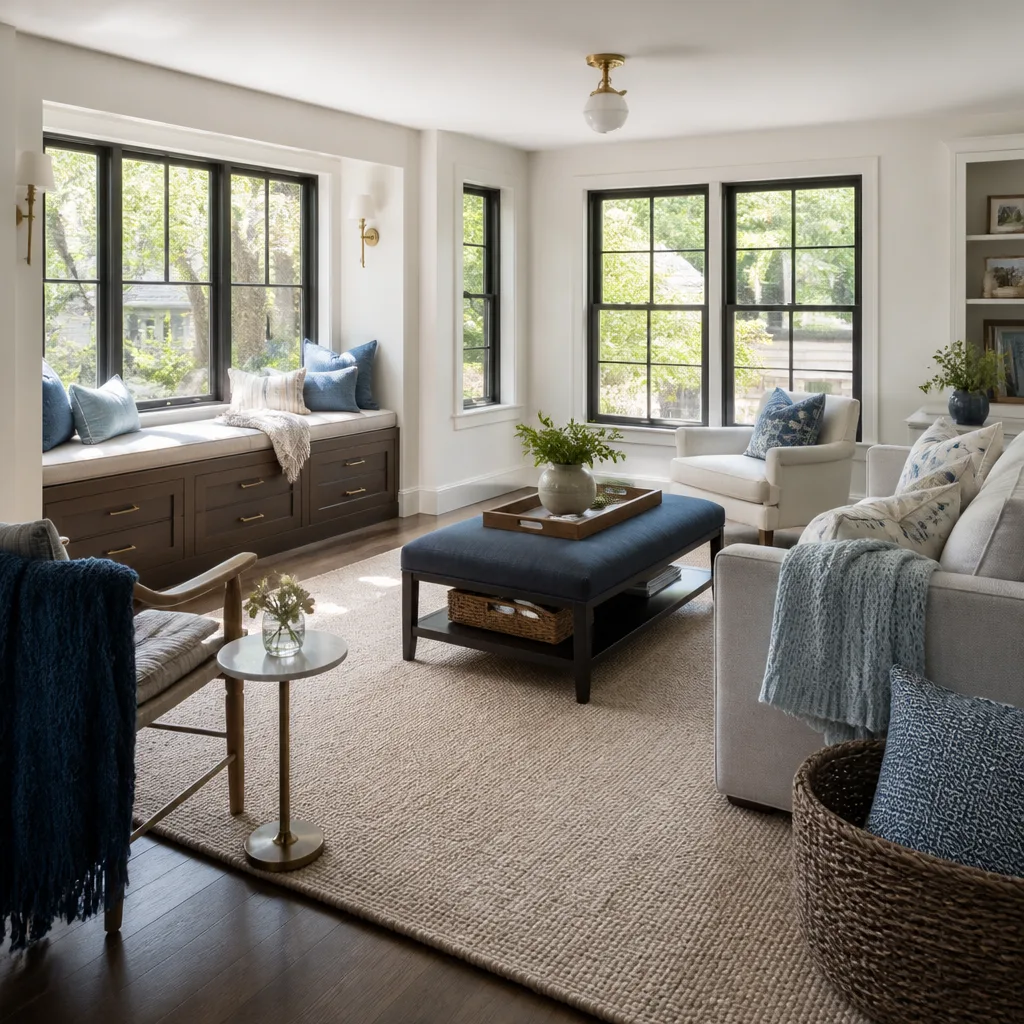
Construction Cost Breakdown (2026)
Here’s what construction actually costs in San Antonio right now, broken down by project type. These ranges reflect what we’re seeing across Bexar County this year, from Alamo Heights to Stone Oak to the Southtown historic district. Use them as a budgeting baseline, not a bid.
| Project Type | San Antonio Price Range (2026) |
|---|---|
| ADU Construction | $90,000 – $220,000 |
| Home Addition | $45,000 – $130,000 |
| Garage Conversion | $30,000 – $80,000 |
| Kitchen Remodel | $14,000 – $45,000 |
| Bathroom Remodel | $9,000 – $28,000 |
| Roof Replacement | $8,000 – $20,000 |
| Paver Driveway Installation | $7,000 – $18,000 |
| Paver Patio Installation | $3,500 – $11,000 |
| Tub-to-Shower Conversion | $3,500 – $10,000 |
| Kitchen Island Installation | $3,000 – $10,000 |
| Countertop Installation | $2,000 – $6,500 |
| Window Replacement | $4,500 – $15,000 |
| Roof Repair | $400 – $1,800 |
| Driveway Sealing | $250 – $700 |
Those ranges are real numbers from real San Antonio jobs, not national averages padded for a website. A few notes on what you’re seeing:
- ADUs top the list for a reason. Building a detached accessory dwelling unit means a new foundation, separate utility connections, and its own permitting path through the City of San Antonio’s Development Services department. It’s essentially building a small house in your backyard, and the price reflects that.
- Kitchen and bath remodels sit in the middle because they’re scoped to existing square footage. You’re not adding roofline or pouring foundation. You’re gutting, reconfiguring, and rebuilding inside walls that already exist.
- Roof repair lands at the bottom because it’s often a single-day fix. A missing shingle or a small leak around a vent pipe doesn’t require tear-off, and the labor is measured in hours, not weeks.
What Drives the Price Up
The biggest cost drivers in San Antonio construction are foundation work, structural changes, and premium finishes. If you’re taking out a load-bearing wall in a 1950s ranch house in Terrell Heights, you’re paying for temporary support beams, an engineered beam, and the structural engineer’s sign-off. If you’re putting Cambria quartz in a kitchen versus a stock laminate, the countertop line item alone can swing $4,000. If your 1970s home in Castle Hills still has its original cast iron plumbing, any remodel that opens walls is going to find pipe work waiting for you. Budget 10-15% of your total for the things you find once the drywall comes down.
What Keeps the Price Down
Working within existing walls, keeping the floor plan as-is, and choosing mid-grade materials from brand-name lines like KraftMaid cabinetry or Silestone quartz keeps you in the lower half of every range. A kitchen remodel that doesn’t move the sink, doesn’t move the gas line, and doesn’t change the window layout can stay under $20,000 even with new cabinets, counters, and tile. The moment you start relocating plumbing or bumping out a wall, the number climbs fast.
What Affects Construction Pricing in San Antonio
San Antonio has its own construction market, and it doesn’t always track what you’d pay in Austin or Dallas. Here’s what moves the number here specifically:
- Foundation type and soil conditions. San Antonio sits on expansive clay soil that shifts with moisture. That’s why so many homes here have pier-and-beam or post-tension slab foundations. Any addition or ADU build means soil testing and foundation engineering, which adds $3,000 to $8,000 before framing even starts. Homes in newer developments around Cibolo or Helotes are often on less reactive soil, but a 1960s bungalow in Monte Vista sits on clay that’s moved for 60 years.
- Permit costs and timelines. The City of San Antonio Development Services department handles permits for most residential construction, and plan review times have been running four to eight weeks for additions and ADUs. That timeline doesn’t add direct cost, but it extends your carrying cost if you’re renting elsewhere or paying a mortgage on a house you can’t live in. We handle permitting as part of every job, and we tell you the realistic timeline before you sign anything.
- Material availability and grade. You can spec a kitchen with big-box cabinets or with Wellborn cabinetry built to order. The price difference is real, and so is the lead time. In 2026, we’re seeing 6-10 week lead times on custom and semi-custom cabinet lines. If you’re on a tight timeline, tell us on day one and we’ll steer you toward in-stock options that still carry manufacture warranties.
- Age and condition of the existing structure. Homes built before 1978 may have lead paint under the surface, which changes how we demo and dispose of materials. Homes with original knob-and-tube wiring in older neighborhoods like Tobin Hill or Beacon Hill will need electrical updates the moment we open a wall. These aren’t surprises we can paper over; they’re code requirements, and they show up in the final price.
- Access to the work site. If you’re in a gated community in Shavano Park with a long driveway and an HOA that limits construction hours, we’re managing logistics that don’t exist on a standard lot in Jefferson. Dumpster placement, material delivery time windows, and work-hour restrictions all affect schedule, which affects cost.
- Season and weather. San Antonio heat is a real factor. Summer pours for concrete happen fast, and roof work in July means starting at 6 a.m. to beat the sun. We schedule around the weather window, but if your job has an outdoor component, know that spring and fall are the busiest seasons and summer heat adds labor hours for exterior work.
How to Save on Construction
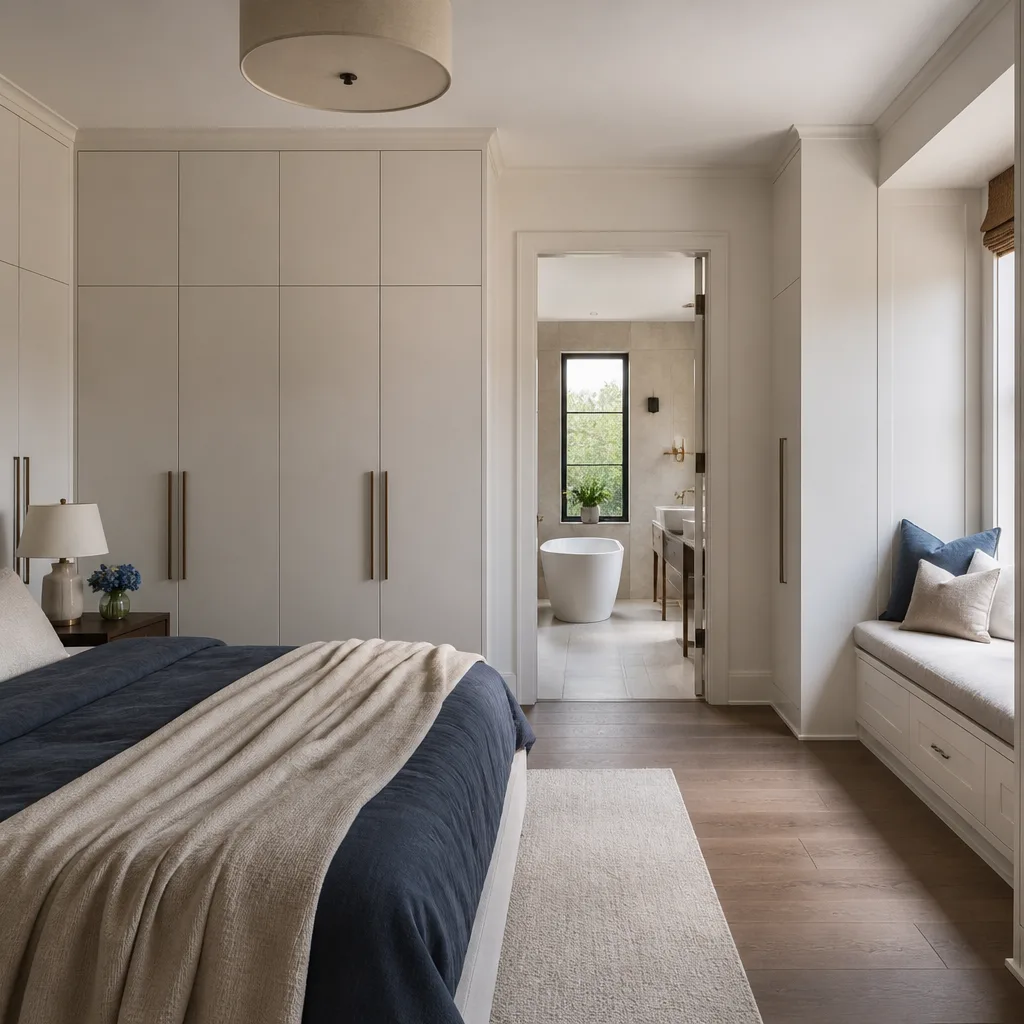
You don’t have to gut your budget to get a good result. Here’s what actually moves the needle:
- Lock your material choices early. We’ve had clients save thousands by committing to cabinet and counter selections in the first week of planning. Late changes after ordering mean restocking fees and schedule slips. Pick from brands like Kohler, Moen, Caesarstone, and James Hardie early, and the price you approve is the price you pay.
- Keep the layout where it is. Moving a sink, a toilet, or a stove means moving supply lines, drains, and venting. Keeping the footprint and relocating only finishes is the single fastest way to drop your cost per square foot.
- Stage the work if you can. If you want a full home renovation but the budget says otherwise, split it into phases. Do the kitchen this year, the bathrooms next year, and the primary suite the year after. Each phase gets its own written price, and you’re never financing more than you’re comfortable with.
- Ask about stock and semi-custom options. Custom doesn’t always mean better. KraftMaid’s semi-custom lines offer real wood faces and soft-close hardware at a meaningful discount from fully custom. Same with counters: a mid-tier Silestone product performs as well as top-tier for most households.
- Get a written price before work starts. This is not a soft suggestion. A written price tells you exactly what you’re paying and what’s included. No surprises at the invoice. If you’re comparing contractors, make every bid itemized and compare line items against each other. Call us at (432) 547-6806 and we’ll put one in your hands, free.
FAQs – Construction Cost
How much does a home addition cost in San Antonio?
A home addition in San Antonio runs $45,000 to $130,000 in 2026, depending on square footage, foundation work, and whether you’re adding a bedroom, a primary suite, or a second-story bump-out. On the low end, a single-room addition that ties into existing roofline and utilities can stay near $45,000. On the high end, a primary suite addition with a full bathroom, walk-in closet, and new roof section pushes toward $130,000. Call (432) 547-6806 for an exact quote on your addition, estimates are free.
Is it cheaper to build an ADU or convert a garage in San Antonio?
A garage conversion costs $30,000 to $80,000, while building a detached ADU costs $90,000 to $220,000. The conversion is cheaper because the structure, foundation, and roof already exist. You’re adding insulation, drywall, flooring, electrical, and plumbing for a bathroom or kitchenette. An ADU is a from-scratch build: new foundation, full framing, new roof, separate utility hookups. If the garage is in decent shape, the conversion wins on cost almost every time. We can walk you through both options for your specific property. Call (432) 547-6806.
How much does a kitchen remodel cost in San Antonio?
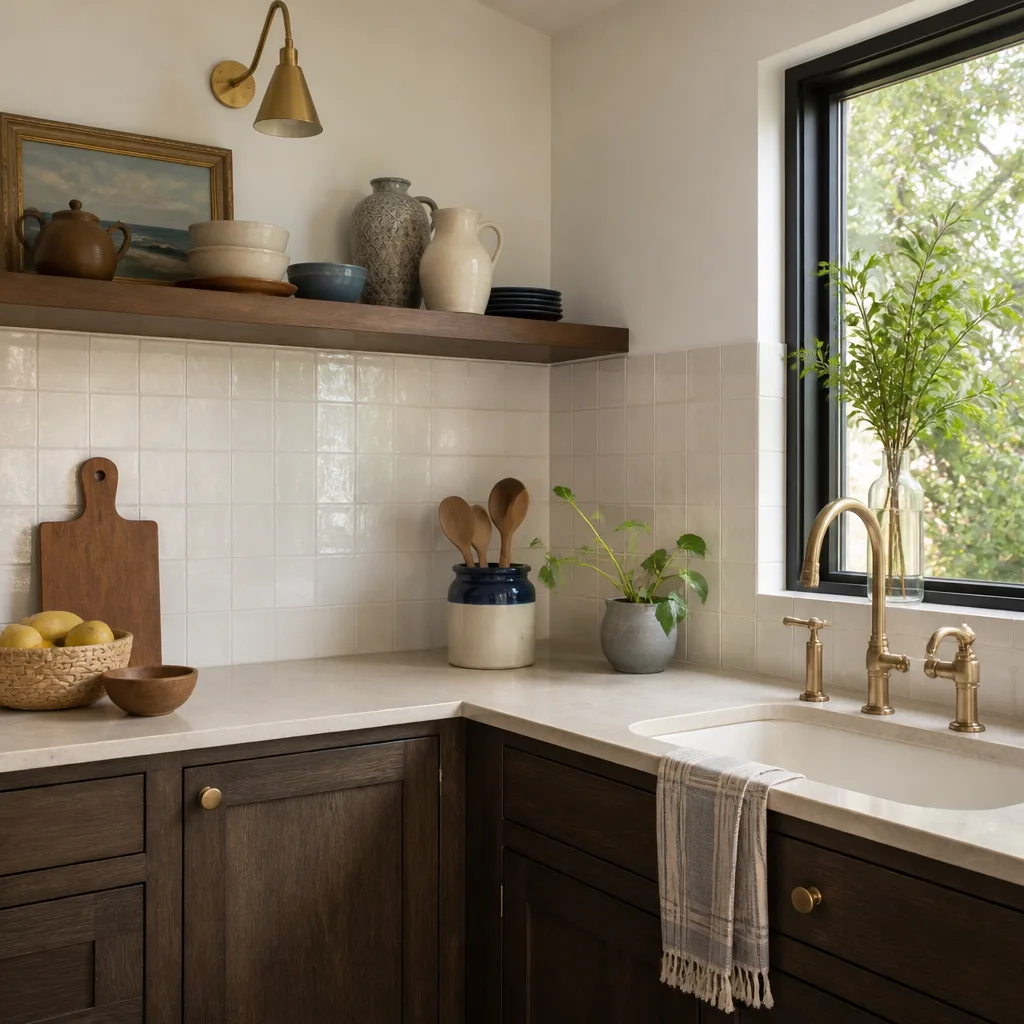
A kitchen remodel in San Antonio costs $14,000 to $45,000, with small kitchens falling in the $9,000 to $20,000 range. A mid-range full remodel with new KraftMaid cabinets, Silestone counters, a tile backsplash, and updated plumbing fixtures usually lands between $20,000 and $30,000. If you’re moving the sink, removing walls, or adding an island, you’ll push toward the top. The price goes up fast with structural changes. Call (432) 547-6806 for a written, itemized estimate.
How much does a bathroom remodel cost in San Antonio?
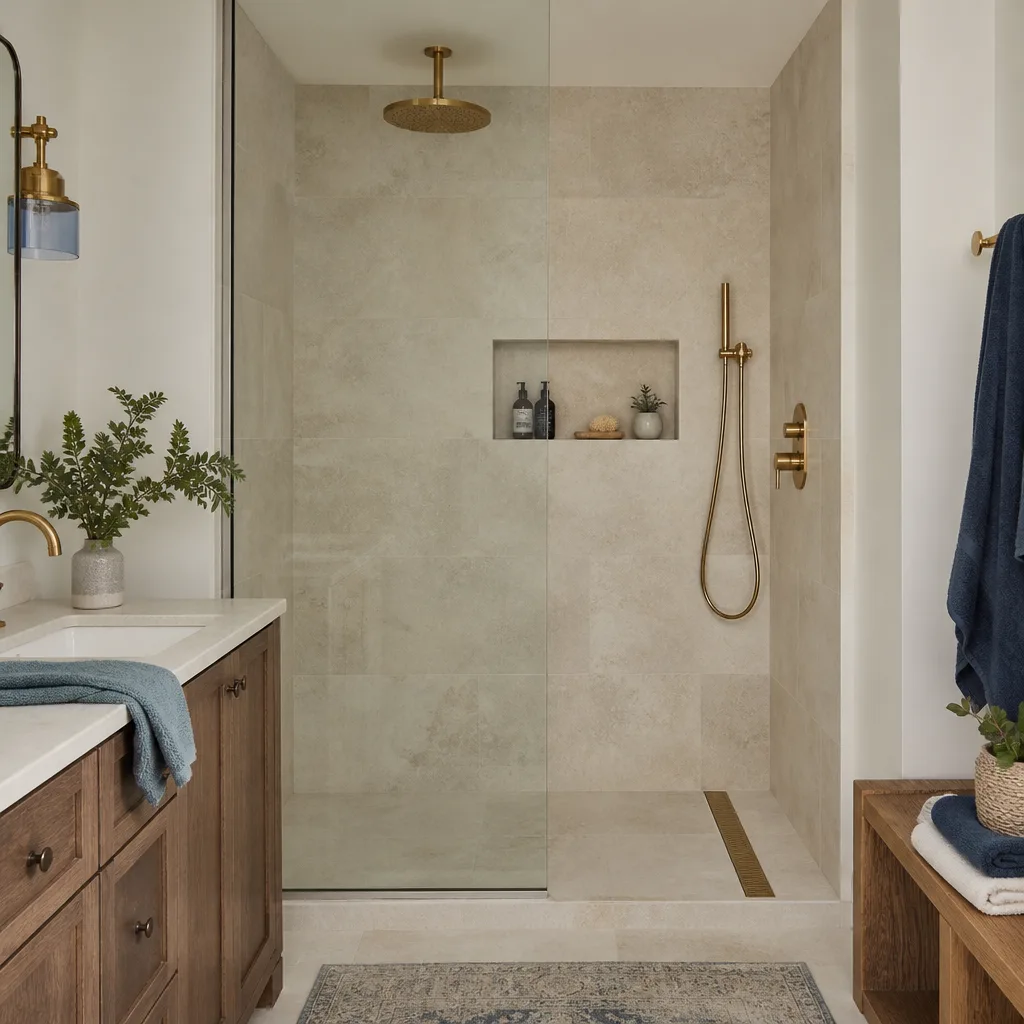
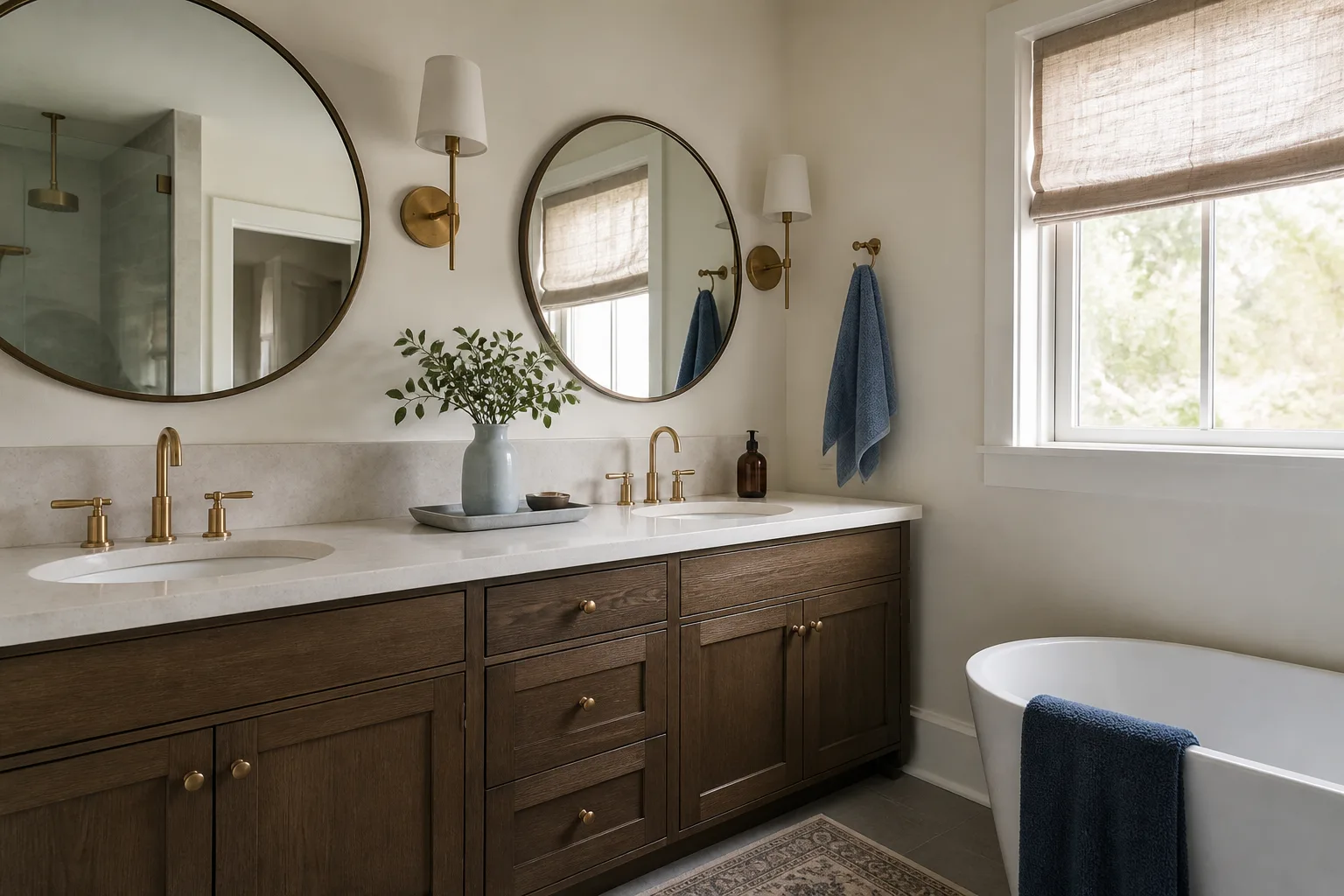
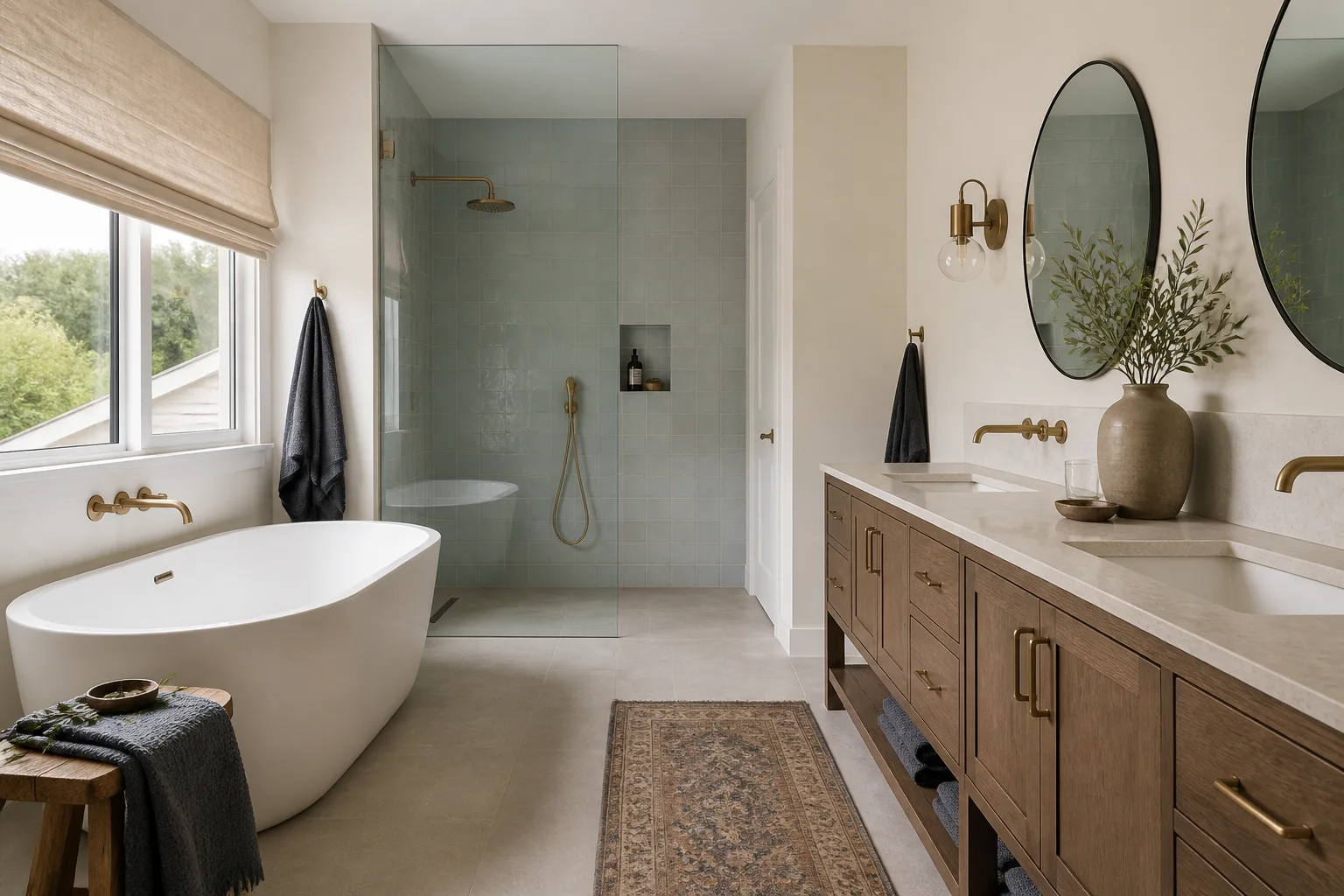
A full bathroom remodel in San Antonio costs $9,000 to $28,000. Small hall baths run $5,000 to $12,000, while a primary bath with a walk-in shower, double vanity, and premium tile pushes $20,000 to $28,000. Walk-in shower installation alone runs $4,500 to $12,000, and a tub-to-shower conversion is $3,500 to $10,000. The spread comes down to tile choices, glass enclosure type, and whether you’re moving plumbing. Call (432) 547-6806 for an exact number on your bathroom.
Can you come out today for a construction estimate in San Antonio?
Yes. We answer the phone live, 24/7, and we can typically schedule an estimate visit within 48 hours, often faster depending on your location in San Antonio and our current schedule. When we arrive, you get a live arrival time so you’re not waiting through a four-hour window. The estimate is free and we put the price in writing before you make any decision. Call (432) 547-6806 and we’ll get you on the calendar.
Pricing reflects the San Antonio market as of 2026. Sawyer Remodel San Antonio offers free estimates – call (432) 547-6806.
Written by Luca Romano, Owner at Sawyer Remodel San Antonio, serving San Antonio since 2005.
What Our Customers Say
"Quote was itemized and every change was approved in the app."
- Sasha L."Bathroom remodel. Tile and shower niche are flawless. Updates by text kept me in the loop."
- Hugh P."Floors and paint finished on time. Floors were sanded, stained, and the walls painted without any gaps in the schedule."
- Ron T.