







Free written scope consultation - allowances, timeline, and change-order rules on paper before a single trade is scheduled
Sterling Home Additions & ADU: The San Antonio Owner’s Guide
Sterling’s home addition and ADU systems in San Antonio typically run $45,000 – $130,000 installed, with most structural failures traced to foundation settling, flashing gaps, or improper tie-in sealing rather than the Sterling components themselves. If you’re seeing wall cracks at the seam where your addition meets the original structure, water staining along the transition, or doors that suddenly bind, you’re looking at the classic signs of a Sterling addition that needs structural attention before the damage spreads. We stock the common Sterling-compatible flashing kits, sill plates, and tie-in brackets on our trucks, and we can usually diagnose the failure during our first visit.
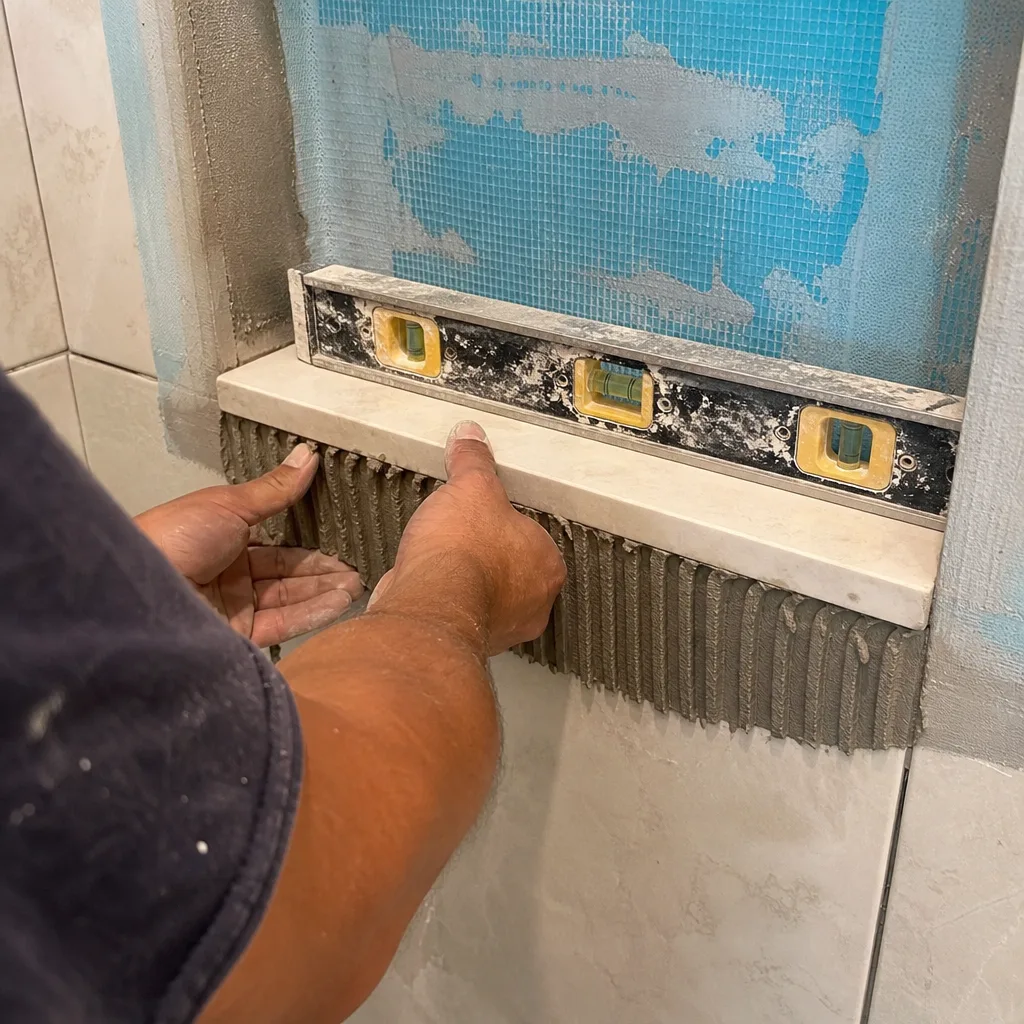
Luca Romano frames it plainly: an addition is only as good as the seam where it meets the house. That’s where San Antonio’s expansive clay soil does its worst work, and it’s where most Sterling additions show their first sign of trouble.
Which Sterling Models This Applies To
Sterling’s home addition and ADU product lines break into three families: the Sterling Modular Addition Series, the Sterling Prefab ADU line, and the Sterling Site-Built Addition packages. Each uses different tie-in hardware, so matching the right bracket and flashing system matters. Modular units use a 16-inch on-center framing channel at the marriage wall; prefab ADUs ship with a 24-inch floor cassette and a dedicated rim joist that needs specific Simpson-style hangers rated for uplift; site-built packages arrive as a materials kit with the structural plans stamped for Texas wind loads.
The OEM-versus-aftermarket call for Sterling is straightforward. Sterling’s own flashing and tie-in kits are engineered for their exact framing dimensions, and in San Antonio’s high-wind storms, a mismatched aftermarket bracket is a weak point you don’t want. For interior finish materials like drywall corner bead or door casing, a quality aftermarket equivalent from a brand like Cambria or KraftMaid’s trim line works fine. But for anything structural, we recommend staying with Sterling OEM or a spec-matched equivalent we verify against the original plans. The compatibility gotcha we see most: older Sterling additions built before 2015 used a 2×4 wall channel, while newer units switched to 2×6, and the flashing profiles don’t interchange.
Styles & brands we work with







Signs Your Sterling Home Additions & ADU Is Failing
- Cracks at the marriage line. A visible crack running vertically where the addition meets the original house means differential settling. San Antonio’s clay soil expands and contracts with moisture, and the two foundations move at different rates.
- Doors or windows that stick seasonally. If a door that swung fine in January binds in August, the frame is racking. That’s a structural shift, not a hinge problem, and it usually traces to the tie-in points.
- Water staining where the roofs join. The valley where an addition roof meets the original roofline is the most common leak point on any Sterling project. Flashing failure here rots the sheathing fast.
- Floor slope you can feel. A slope of more than a quarter inch per foot across the addition floor is usually a sign that the floor cassette or foundation pads are settling unevenly.
- Gaps opening at exterior corners. Caulk and trim pulling away from the corner boards means the framing behind it is moving. In San Antonio, this shows up most after a wet winter followed by a dry summer.
See the difference
 Before
 After
After Before
 After
After Before
 After
AfterReplacement Cost & What’s Included
For a Sterling home addition in San Antonio, the full installed range runs $45,000 – $130,000 depending on square footage, foundation work, and how much of the existing structure needs to be opened up. A standalone ADU construction project lands higher, at $90,000 – $220,000. What drives the spread: whether we’re repairing a failing tie-in versus rebuilding the entire addition, the foundation type (pier-and-beam is easier to correct than slab), and whether the existing framing is still square. Every quote we write includes the parts, the labor, the flashing and sealing materials, and the permit work. The price we put in writing before any work starts is the price on the invoice. If the repair fails within a year, the 365-Day Done Right Promise means we come back and make it right, no argument.
DIY or Call Us?
An addition that’s settling is not a caulk-and-paint fix. The loads involved, the tie-in hardware under tension, and the risk of opening a structural seam incorrectly make this a job for a framing crew that knows San Antonio soil. What you can safely do is document what you’re seeing: photograph the cracks with a quarter for scale, note when doors started sticking, and mark any water stains with tape so you can track whether they’re growing. That record helps us diagnose faster. What goes wrong with DIY is predictable: a homeowner opens the drywall at the marriage line, strips the wrong fastener, and now the wall has no lateral connection at all. If your Sterling addition is showing any of the signs above, call (432) 547-6806 and we’ll schedule a walkthrough. You’ll get a written price before we touch a tool.
FAQs
A properly tied-in Sterling addition should last 40 – 60 years structurally, but the tie-in flashing and sealants typically need inspection every 8 – 10 years because San Antonio’s heat and UV exposure degrade exterior sealants faster than the national average. Call (432) 547-6806 and we’ll inspect your addition’s tie-in points during a free estimate visit.
Most failing tie-ins can be repaired without rebuilding the addition, usually by exposing the marriage wall, installing the correct Sterling-spec brackets and flashing, and re-securing the framing before re-drywalling. The exceptions are cases where water has been leaking for years and the framing itself is compromised. We’ll tell you which situation you have after the first inspection.
A typical tie-in repair runs 5 – 10 working days from opening the wall to final paint, depending on what we find behind the drywall and whether any framing needs sistering. A full addition rebuild runs 8 – 16 weeks. Either way, you’ll get a written timeline before work starts, and photo updates along the way.
We stock the common Sterling flashing kits, tie-in brackets, and sill hardware on our trucks, so most repairs don’t wait on shipping. For less common Sterling Modular Addition Series components, we order directly and typical lead time in San Antonio is 3 – 7 business days. Give us a call at (432) 547-6806 and we’ll confirm what’s needed for your specific model.
Written by Luca Romano, Owner, Sawyer Remodel San Antonio at Sawyer Remodel San Antonio, serving San Antonio and nearby areas.


