

Free written scope consultation - allowances, timeline, and change-order rules on paper before a single trade is scheduled
CWS Home Additions & ADU: The San Antonio Owner's Guide
A CWS home addition or ADU in San Antonio typically runs $45,000 – $130,000 for a full project, depending on square footage, foundation work, and whether you're building up or out. If you're reading this, you probably already own a CWS product, a sunroom, a prefab addition, a studio shell, or an accessory dwelling unit, and something isn't right. The wall seams are separating. The tie-down brackets are loose. The transition flashing where the CWS module meets your existing roofline is leaking after a hard San Antonio rain. That's the moment when a manufactured addition stops being a convenience and starts being a liability, and it's the moment you want a remodeler who understands how CWS components actually go together, not just a handyman with a caulk gun.
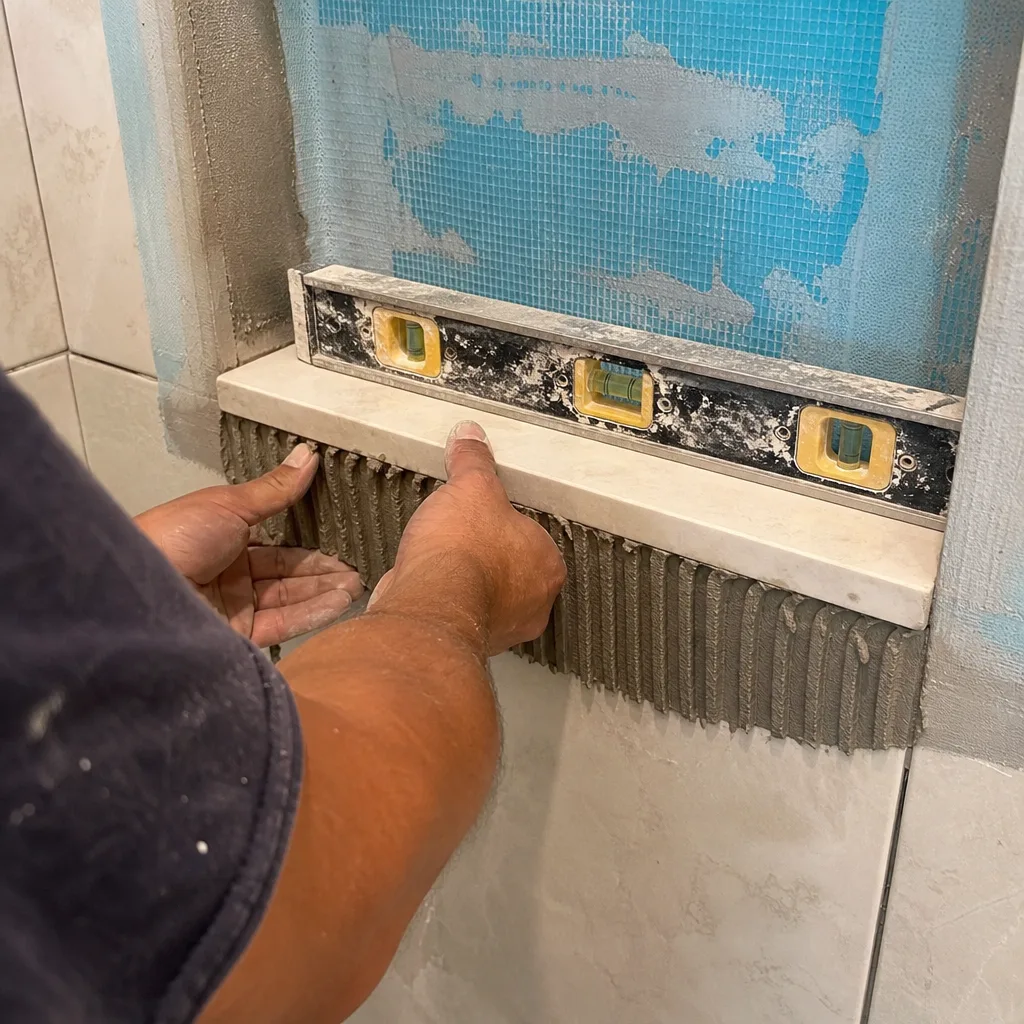
Which CWS Models This Applies To
CWS home additions and ADUs come in a few distinct builds, and the parts that fail vary by model. The most common CWS configurations we see in San Antonio are panelized wall systems with pre-cut lumber shipped flat, modular room shells with factory-set windows, and ADU kits that include roofing, siding, and trim packages. What matters for compatibility is the connection hardware: CWS panelized builds from different years use different steel tie plates, lag bolt patterns, and corner bracket spacing. Before we order or cut anything, we pull dimensions off the existing framing, check the stamp on the connector plates, and match fastener patterns to the original engineering. Some CWS components are proprietary enough that OEM parts are the only real option, especially the custom aluminum transition flashing and pre-bent drip edges. For interior finishes, framing members, and standard trim, a quality aftermarket equivalent matched to the existing dimensions usually does the job and often costs less without losing durability. The gotcha is always the same: CWS trim profiles don't match off-the-shelf lumberyard stock, so we special-order and field-fit those pieces.
Styles & brands we work with







Signs Your CWS Home Additions & ADU Is Failing
- Water staining around the roofline seam where the CWS unit ties into the main house. This is usually the factory transition flashing failing, either the factory caulk joint dried out and cracked or the metal itself was under-driven during the original install. In San Antonio heat, that caulk fails about twice as fast as it would in a milder climate.
- Gaps opening between the CWS wall panels, especially at interior corners. The panelized connection hardware, usually steel tie plates with structural screws, has worked loose. This is not a caulk-and-forget fix. The wall system relies on those connections to hold shear load.
- Doors or windows inside the addition binding or sticking when the weather changes. The floor system or the module itself has shifted. In San Antonio's expansive clay soils, this is extremely common. The addition settles differently than the main house, and the CWS connection points become stress risers.
- Soft spots in the floor near the exterior walls of the ADU or addition. Water is getting past the sill seal or the bottom trim and wicking into the subfloor. The exterior bottom track on CWS modular units has a factory weep system that clogs with San Antonio dust and bark mulch.
- Interior joint lines showing through the drywall as hairline cracks that keep reappearing. This usually means the underlying framing joint is flexing. You patch the drywall, it looks fine for two months, then the crack comes back. The real fix is re-tightening or replacing the structural connection, then patching once.
See the difference
 Before
 After
After Before
 After
After Before
 After
AfterReplacement Cost & What's Included
For CWS-specific repair work on an existing home addition or ADU in San Antonio, you're typically looking at $2,000 – $9,000 depending on scope. That range covers structural re-fastening of panel connections, flashing replacement at the transition seam, door re-leveling, and flooring repair in isolated areas. A full replacement of the CWS exterior siding and trim package lands higher, usually in the $10,000 – $25,000 range depending on the material you choose. What drives the cost is access: second-story transition flashing requires scaffolding and careful tie-off, while single-story units are faster to reach. Every estimate we write includes the parts line-itemized, the labor separated, and the total fixed before we start. That's the Sawyer way: a written price in your hand before a single tool comes off the truck. And our 365-Day Done Right Promise covers the repair in writing. If it's not done right, we make it right for a full year, no argument.
DIY or Call Us?
There are a few CWS maintenance items you can safely handle yourself. Clearing the bottom-track weep holes on the exterior so water drains properly is a ten-minute job with a pick or a screwdriver. Re-caulking interior trim where the addition meets the main floor slab is also fine. But when it comes to re-tensioning structural connections, replacing transition flashing at height, or opening up a wall to inspect the framing, that's where DIY goes wrong and not in a fun way. The CWS tie-down system carries real structural load. If you pull a connector out of sequence without shoring the wall, you can destabilize the entire panel assembly. Flashing work on a second-story transition means working on a ladder with sheet metal, sealant, and a heat gun. Not the place to learn. Call (432) 547-6806 and we'll get it done right the first time, with a written price before we start.
FAQs
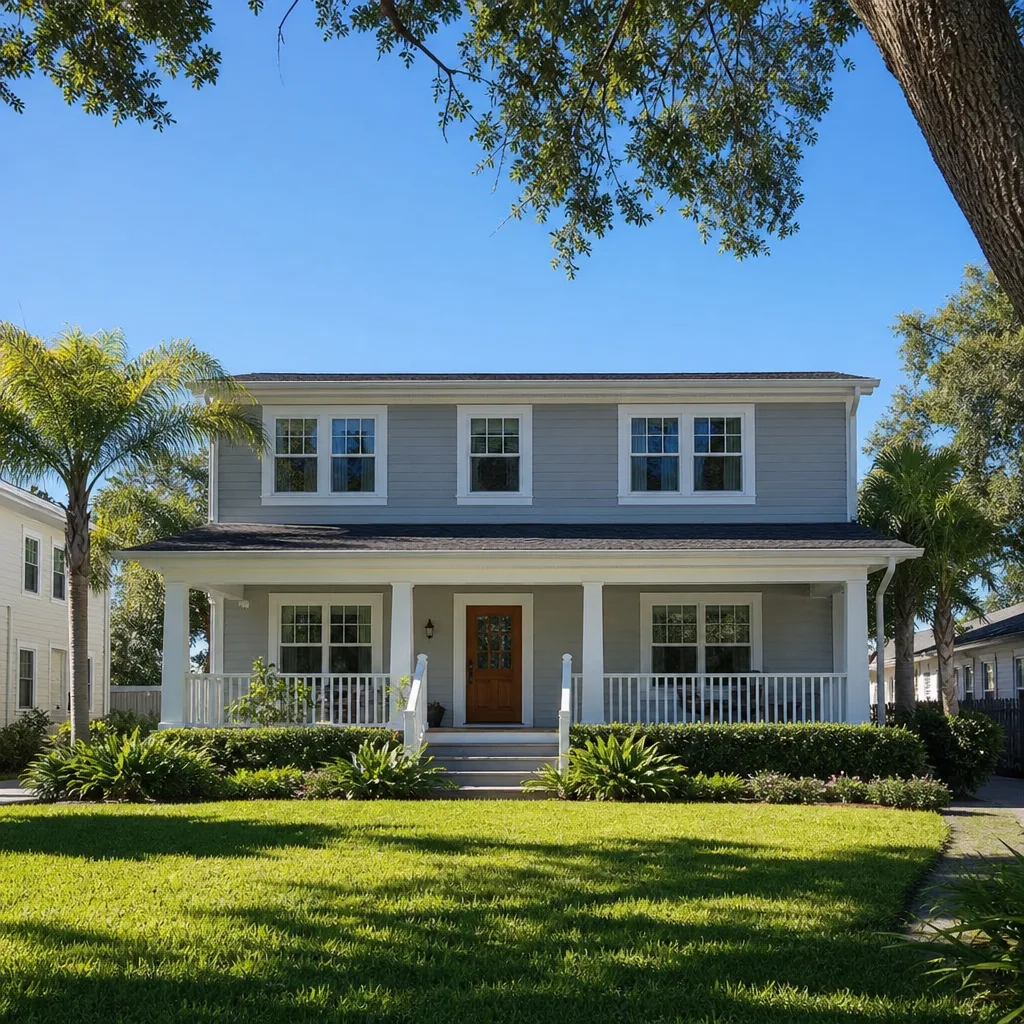
A properly installed CWS addition in San Antonio should give you 30 – 50 years of structural life, but the weather-exposed components, the transition flashing, caulk joints, and bottom tracks, need attention every 5 – 8 years because of the extreme heat and occasional heavy rain. Full rebuilds are rare; neglecting the seal and connection maintenance is what shortens the lifespan dramatically. Call (432) 547-6806 for an honest assessment if yours is leaking or shifting.
Yes, in most cases we repair rather than replace. Structural re-fastenings, flashing replacement, and localized floor repair account for the vast majority of CWS work we handle in San Antonio. We only recommend replacement, usually of siding, trim, or roofing elements, when the materials themselves are beyond a repair that would last. We'll show you the condition in photos before you commit to anything.
Most CWS repair jobs in San Antonio take one to three days on-site, depending on access and how much structural re-fastening is required. A straightforward flashing replacement is a single-day job. A panel re-connection with drywall patching and paint matching takes longer because the drywall compound and paint need dry time between coats. We keep you updated with photos before and after each phase, so you never wonder what happened while you were at work.
We stock common CWS-compatible fasteners, structural screws, flashing profiles, and bottom-track materials on the truck, and we special-order OEM CWS components like custom trim and transition pieces from our supplier network. If your part is proprietary and has a lead time, we'll tell you the honest date it arrives before we schedule your project. Call (432) 547-6806 and we'll check availability for your specific CWS model while you're on the phone. Estimates are free, and the price we give you is the price you pay.
Written by Luca Romano, Owner, Sawyer Remodel San Antonio at Sawyer Remodel San Antonio, serving San Antonio and nearby areas.


