

Free written scope consultation - allowances, timeline, and change-order rules on paper before a single trade is scheduled
Plant Prefab Home Additions & ADU: The San Antonio Owner’s Guide
If your Plant Prefab home addition or ADU has failed or underperforming components, we match specifications, price the work in writing, and install the fix. A full Plant Prefab home addition in San Antonio typically runs $45,000 to $130,000 installed; a standalone ADU built to Plant Prefab-style panel standards generally lands between $90,000 and $220,000 depending on square footage, site work, and utility runs. Most owners discover the trouble the same way: a door that no longer seals, a wall panel that’s shifted after a wet spring, or an HVAC duct that’s been wheezing since the last big heat wave. You don’t need a whole new structure most of the time. You need the right person to look at it who actually knows prefab systems.
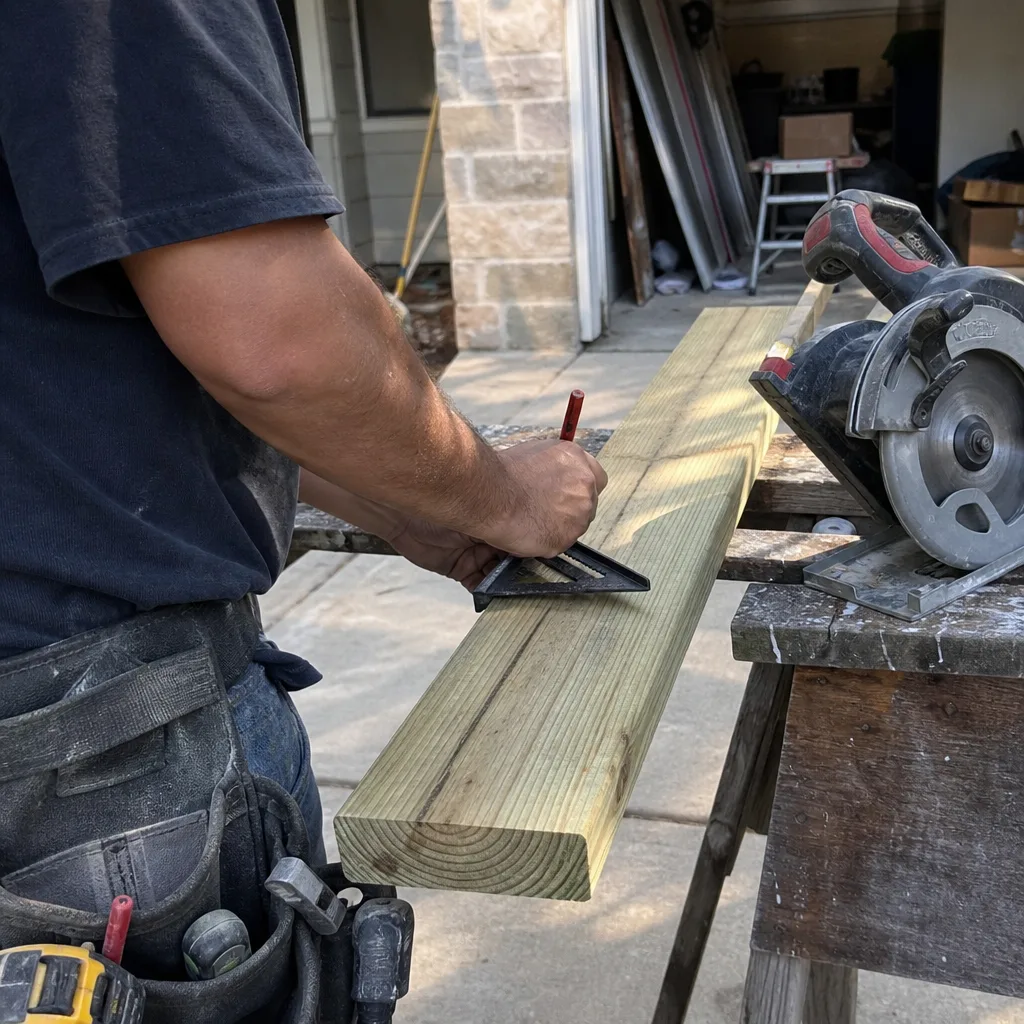
We’re Sawyer Remodel San Antonio, an independent contractor, not affiliated with Plant Prefab. But we’ve torn into enough prefab panels and steel-frame connections across Bexar County to know what fails, what holds, and what a repair should cost before we ever send a bid.
Which Plant Prefab Models This Applies To
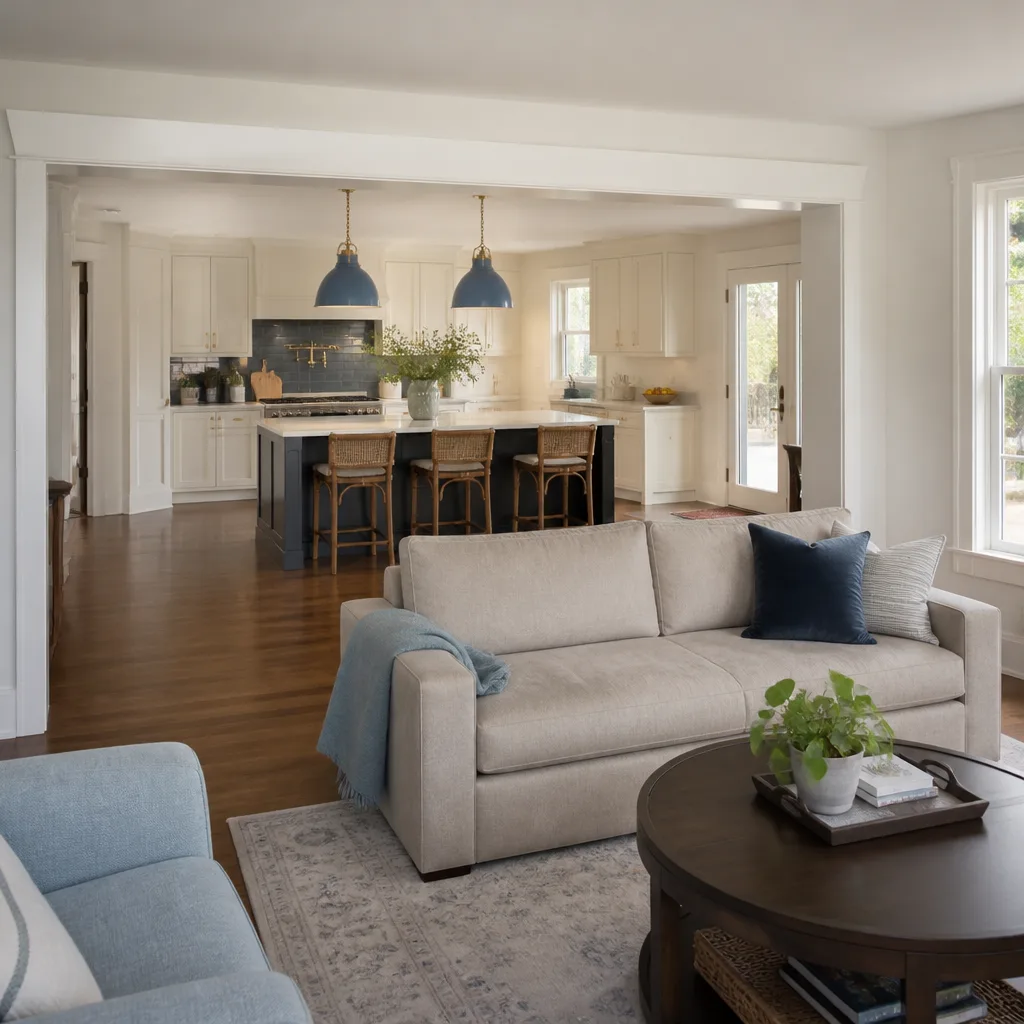
Plant Prefab builds custom and semi-custom homes using their patented Plant Building System, typically panelized walls, factory-built modules, and steel or engineered wood framing. Home additions and ADUs from Plant Prefab fall into a few recognizable categories: full module additions, panelized room extensions, and backyard accessory dwelling units built on the same chassis or frame system. The part that fails in these structures is rarely the panel itself. It’s the connective tissue: the joinery between panel and slab, the weather barrier at the transition from existing home to new addition, or the sill plate where the module meets the foundation.
The compatibility gotcha most owners hit: Plant Prefab panels are built in their California and Ontario factories with specific tolerances. A panel that’s out of square by even 1/8 inch over an 8-foot run will telegraph through your drywall, door frames, and window reveals. When we repair or extend a prefab addition in San Antonio, we check the panel dimensions against the original shop drawings, not just what’s on site. If you have the original Plant Prefab spec book, even better. Most owners don’t, so we pull measurements from the installed panels and match accordingly.
For OEM versus aftermarket: Plant Prefab doesn’t sell replacement wall panels to consumers. So the decision is usually between sourcing compatible engineered materials (steel studs, structural screws, sheathing, and moisture barriers that match the module’s original spec) or rebuilding a section with standard dimensional lumber. We’ll tell you which one makes sense for your job. In San Antonio’s heat and humidity swings, we’ve seen aftermarket sheathing on prefab additions fail twice as fast when someone used OSB where the original spec called for densglass or plywood. Material choice isn’t a preference here. It’s the difference between a 5-year repair and a 30-year one.
Styles & brands we work with







Signs Your Plant Prefab Home Additions & ADU Is Failing
- Doors and windows that suddenly stick or won’t latch. This usually means the panel or module has settled or shifted at the connection points. In San Antonio’s expansive clay soils, ground movement under a slab pulls prefab modules out of alignment over time. The fix usually involves re-leveling the connection and re-flashing the opening, not replacing the door.
- Cracking at the seam where the addition meets the original house. The transition between a stick-built home and a prefab panel addition is the most common failure point we see. If you can fit a dime in the crack, call. If you can fit a quarter, call today. Water gets in through those gaps and does its work quietly for years before you see it on the inside.
- Musty smell or visible water staining where the wall meets the floor. Plant Prefab’s standard weather barrier works, but it assumes a tight install at the sill. A single missed seam on the moisture barrier at the panel base in San Antonio’s rainy season (think May and September) will wick water into the subfloor and the bottom plate. By the time you smell it, the bottom 12 inches of that wall section are compromised.
- HVAC ducts rattling or blowing weak. Prefab module ducting is often flex duct run through floor or ceiling chases. San Antonio’s attic heat bakes flex duct; if your ADU’s duct is original and older than eight years, it’s probably leaking at the collars. Our fix is re-sealing, re-supporting, and in some cases re-running the duct with insulated rigid where it runs through unconditioned space.
- Popping or creaking nails in the drywall of a new addition. That sound is the panel shifting under thermal expansion. San Antonio goes from 35 degrees at night in February to 95 degrees in April. Prefab panels expand and contract, and if the original install didn’t leave the right expansion gap at the corners, the drywall starts complaining within a year or two. The repair is straightforward, but it means opening the wall enough to re-fasten and re-tape.
See the difference
 Before
 After
After Before
 After
After Before
 After
AfterReplacement Cost & What’s Included
For a prefab home addition repair in San Antonio, most jobs land between $45,000 and $130,000 when the scope covers structural re-fastening, weatherproofing, drywall, trim, paint, and the final inspection. Smaller, targeted repairs, like re-flashing a seam or re-leveling a single panel, fall at the low end or below. A full ADU construction using prefab-style panels runs $90,000 to $220,000, with site prep, foundation work, and utility hookups driving most of the difference.
What drives the price: whether we’re repairing a connection or rebuilding a wall section, how much material has to be removed before we can get at the problem, and whether the original install is usable or needs to be corrected as we go. You get a written, line-item price before any work starts. The number you approve is the number you pay. We don’t do change orders unless you ask for a change. And every repair carries our 365-Day Done Right Promise: if it’s not done right, we make it right. In writing, on every single job.
DIY or Call Us?
This is structural work, not a hardware swap. You can check your doors for sticking, look for visible cracks at the transition seams, and run your hand along the base of walls near the floor for damp spots. That’s all useful. But opening a prefab wall panel to inspect joinery, re-tensioning steel connections, or re-flashing a roofline is not a weekend job. These panels are under load, the connections carry real weight, and a missed fastener or a botched weather barrier in San Antonio’s wet springs means a few thousand dollars of hidden water damage by August.
Luca Romano grew up in East Los Angeles and learned the trade at Los Angeles Trade-Technical College before spending decades swinging hammers on real jobs across the Southwest. He’s seen more prefab connection failures in San Antonio than most contractors see in a career. And he still walks every job himself before we call it done. If you’ve got a suspected failure in a Plant Prefab addition or ADU, call (432) 547-6806. We’ll get eyes on it, give you a written price, and tell you honestly whether it’s a repair or a rebuild. The craft comes first. Everything else follows.
FAQs
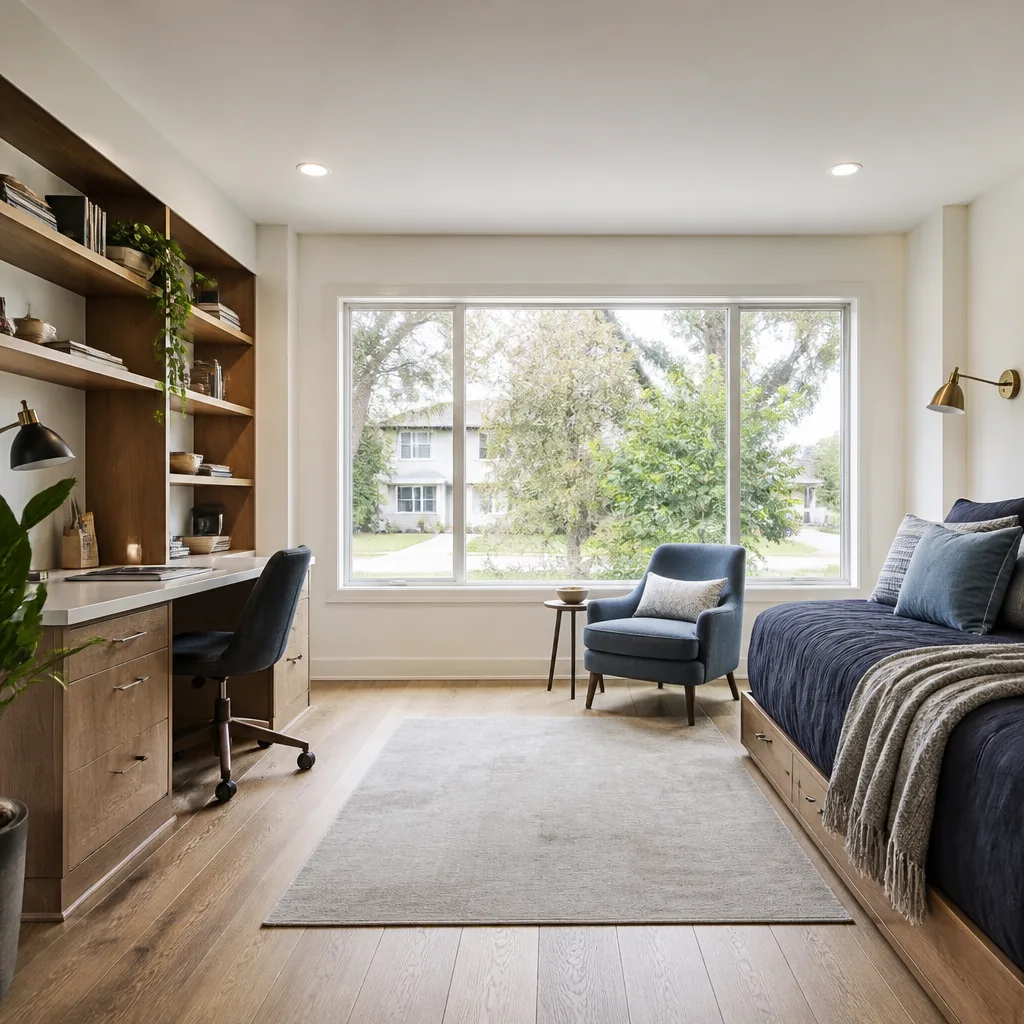
A properly installed Plant Prefab addition should last 50-plus years in San Antonio, but the connections, weather barrier, and flashing are the weak points, not the panels. In our climate, with the heat and the clay soil movement, expect to re-flash and re-seal exterior transitions every 10 to 15 years. If your addition is older than a decade and has never had the seams inspected, call (432) 547-6806 for a free estimate on a seam and flashing check before small cracks become wall replacements.
Yes, most of the time. If the panels themselves are intact and the failure is at the connections, moisture barrier, or flashing, we can repair it without tearing down the structure. We’ve rebuilt bottom plates, re-squared panels, and re-sealed entire transitions on Plant Prefab additions in San Antonio for a fraction of what a rebuild costs. If the panel itself is rotted or water-damaged past the sheathing, that section gets cut out and rebuilt. Call (432) 547-6806 and we’ll tell you which one you’re dealing with.
Most single-panel or seam repairs take two to four working days from start to finish, including drywall, texture, and paint. A full ADU or addition build runs several weeks depending on permitting and weather. We’ll give you a written timeline with the written price, and we stick to it. Call (432) 547-6806 for a schedule based on your actual scope.
We stock common structural fasteners, flashing, weather barrier membrane, and drywall materials for prefab panel systems on our service trucks, so many smaller connection repairs happen same-visit. For panel-matched sheathing or engineered materials, we order to spec and have it on site within a few days. We also work with KraftMaid, Cambria, and Silestone components when the repair touches cabinets or countertops inside the addition. Call (432) 547-6806 and we’ll tell you what’s on the truck today and what we need to pull for your job.
If your Plant Prefab home addition or ADU needs repair, inspection, or a full rebuild, call Sawyer Remodel San Antonio at (432) 547-6806. We’ll send a background-checked, uniformed technician, give you a written price before work starts, and stand behind the job for a year. Free estimates, no games, no surprises.
Written by Luca Romano, Owner, Sawyer Remodel San Antonio at Sawyer Remodel San Antonio, serving San Antonio and nearby areas.


