

Free written scope consultation - allowances, timeline, and change-order rules on paper before a single trade is scheduled
Abodu Roofing: The San Antonio Owner’s Guide
We stock and install Abodu-compatible roofing components across San Antonio, with most roof repairs running $400 to $1,800 and full roof replacements between $8,000 and $20,000 depending on square footage and material. The majority of Abodu roofing failures show up as water staining on ceilings, granules collecting in gutters, or flashing that has pulled away from penetrations after a Texas storm season. If you are seeing any of that, you are probably a few days from needing a roofer, not a few weeks.
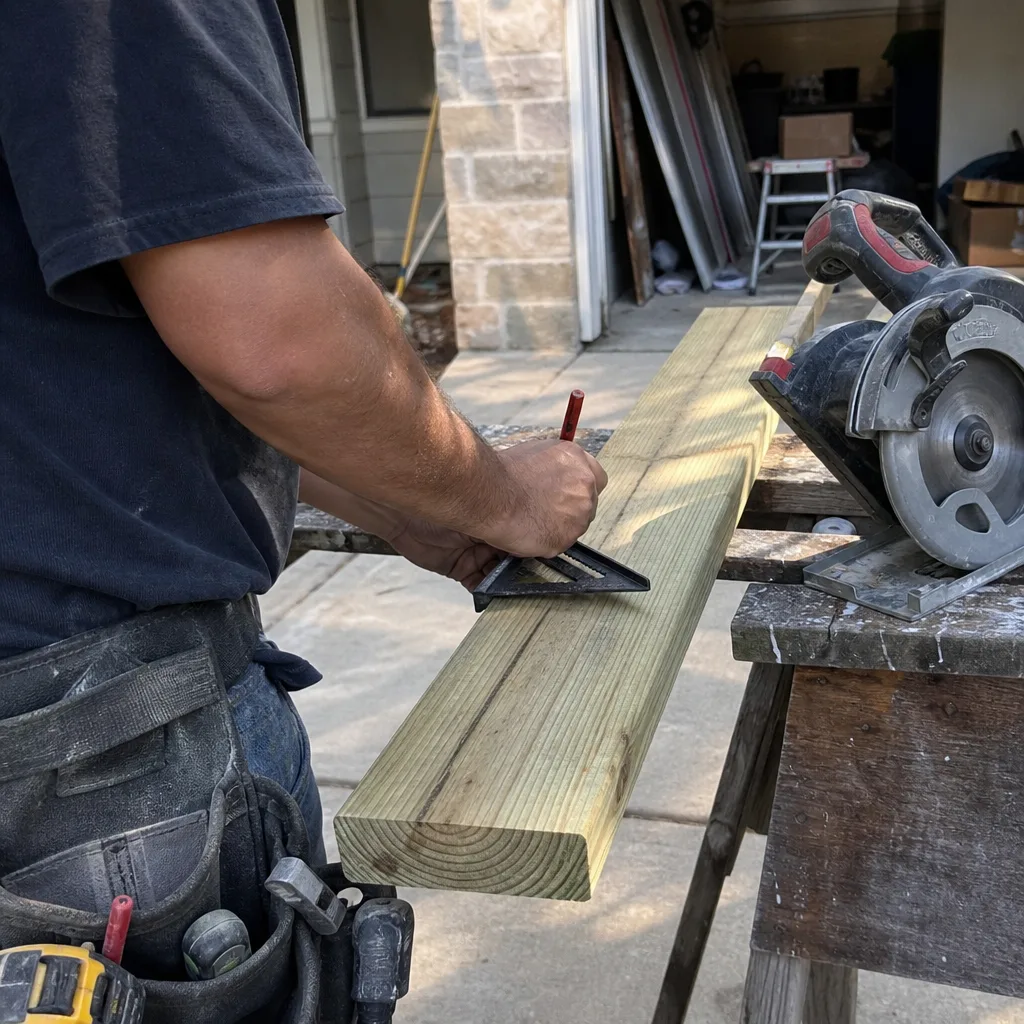
Abodu homes in San Antonio face a specific set of conditions: brutal UV exposure, hail events in spring, and wind-driven rain that finds every weak seam. We have been working on these structures long enough to know that roofing is rarely the first thing owners think about until it becomes the only thing they can think about. Luca Romano has walked hundreds of San Antonio roofs, and the pattern is consistent: small failures ignored in October become emergency repairs in March.
Which Abodu Models This Applies To
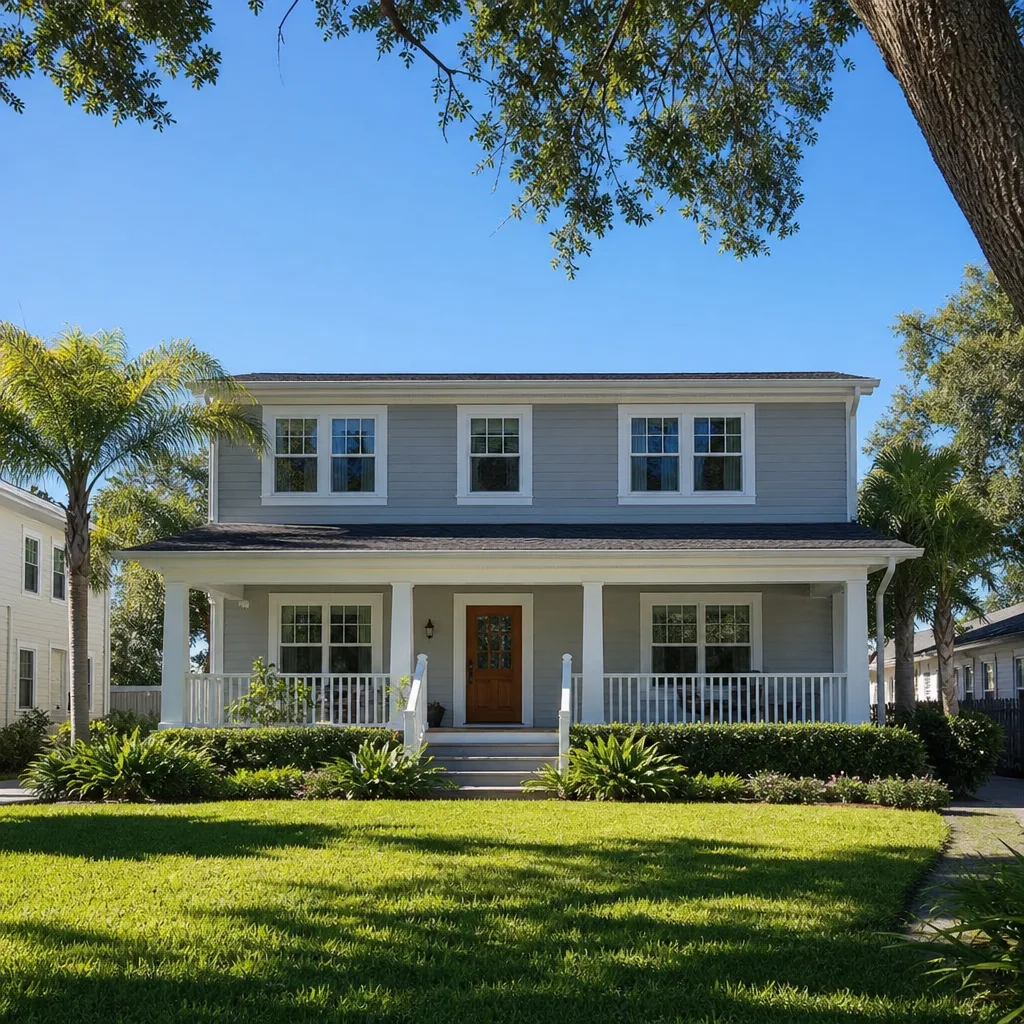
Abodu’s residential line uses a standardized roof assembly that varies by module count and configuration, not by a dozen different model names. The roofing components we source and install match the pitch, decking, and flashing details used across Abodu’s California-built modules, which means compatibility comes down to three things: panel span, penetration count, and the underlayment layer Abodu specified for your unit’s climate zone. San Antonio sits in a high-heat, moderate-hail zone, so the underlayment matters more here than it would in, say, coastal California.
Here is the compatibility gotcha most owners miss: Abodu modules ship with factory-installed flashing around vents and skylights, and that flashing is sized for the original roofing profile. If a previous owner or a previous roofer swapped in a thicker shingle or a different metal profile without re-flashing, the roof leaks at the transition points, not in the field. We see this constantly on San Antonio Abodu units that have had patchwork repairs. Before we quote anything, we verify the flashing dimensions against the original Abodu spec, because replacing shingles over compromised flashing is just buying time.
For Abodu owners deciding between OEM and aftermarket: Abodu does not manufacture their own shingles or underlayment, so “OEM” for roofing generally means the same GAF, CertainTeed, or Owens Corning products Abodu’s factory specified. Quality aftermarket equivalents from those same manufacturers are what we install, and they carry the full manufacturer warranty. The part that must be Abodu-correct is the flashing geometry, not the shingle brand.
Styles & brands we work with







Signs Your Abodu Roofing Is Failing
- Water staining on ceiling corners or around recessed lights. This usually means the underlayment has failed at a seam or the flashing around a penetration has lifted. Water travels along rafters, so the stain is often several feet from the actual breach.
- Granules accumulating in gutters or at downspout elbows. Shingle granule loss accelerates in San Antonio’s heat. Once the asphalt substrate is exposed, the shingle’s remaining life drops from years to months.
- Daylight visible in the attic through the roof deck. That means a full penetration, not a slow leak. It also means the decking beneath is likely already softening from repeated moisture exposure, which pushes the repair from simple to structural.
- Flashing that has pulled away from vents, pipes, or the module seam. Abodu module seams are a known stress point. Thermal expansion and contraction across the seam, repeated hundreds of times per Texas summer, works the flashing loose by tiny increments until water has a clear path.
- Damp insulation or musty odor in the roof cavity after rain. This is the silent failure mode. The leak is slow enough that you will not see a stain for months, but the insulation is already losing R-value and inviting mold. By the time you smell it, the repair scope has expanded.
See the difference
 Before
 After
After Before
 After
After Before
 After
AfterReplacement Cost & What’s Included
In San Antonio, Abodu roof repair runs $400 to $1,800 for the typical failure we see: flashing replacement, shingle section repair, or localized underlayment patching. A full roof replacement on an Abodu unit ranges from $8,000 to $20,000, driven by total square footage, tear-off depth (single layer versus multiple), decking condition, and whether you are staying with architectural shingles or moving to metal. We give you a written line-item price before any work starts, so the number you approve is the number on the invoice, no change orders hiding in the middle of the job.
Every roofing repair includes the parts, labor, disposal of old material, and a written workmanship warranty. The warranty is not a verbal promise. It is on paper, and if the repair fails, we come back. It is the same standard we hold on every remodel and exterior project: the 365-Day Done Right Promise. If it is not done right, we make it right.
DIY or Call Us?
Here is the honest split. You can safely clear gutters, check for visible granule buildup, and take photos of any flashing that looks lifted from the ground or a ladder. You should not get on an Abodu roof and attempt repair work. Roofing failures on these units are rarely isolated to the visible shingle; they involve flashing geometry and underlayment conditions that require training to assess correctly.
And if the failure involves anything structural, electrical, or involves working at height on a steep pitch, that is not a weekend project, that is a hospital visit waiting to happen. Roof work is dangerous. We have the equipment, the training, and the insurance to do it properly. Call us at (432) 547-6806 and we will come out, assess the roof, and hand you a written price. If the problem is small, we will tell you it is small. We would rather earn a small job honestly than inflate a repair into something it is not.
FAQs
Expect 15 to 22 years from architectural shingles on an Abodu unit in San Antonio, with the lower end if your roof takes direct afternoon sun with no shade and the upper end if you have good ventilation and a lighter shingle color. Texas UV exposure and hail events shave years off the manufacturer’s nominal lifespan. Call (432) 547-6806 to have us assess your specific roof’s remaining life.
Yes, most Abodu roofing failures are repairable when caught early, and a targeted repair in San Antonio typically runs $400 to $1,800. The deciding factor is usually decking condition and how many separate failure points exist. If the decking is sound and the failures are localized, repair is the right call, and we will say so plainly.
A typical flashing repair or shingle section replacement on an Abodu unit takes half a day to a full day, weather permitting. Full tear-off and replacement runs two to five days depending on module count and decking repairs. We confirm a written timeline before we start, and we hit it.
We stock the common Abodu-compatible flashing profiles, underlayment, and shingle colors that match the original factory spec, sourced from GAF, CertainTeed, and Owens Corning. Unusual module configurations may require a special order, which we handle as part of the written quote. Call (432) 547-6806 and we will check stock for your specific unit.
Call Sawyer Remodel San Antonio at (432) 547-6806 to schedule your free estimate. We will assess your Abodu roof, give you a written line-item price, and tell you exactly what needs to happen. The craft comes first. Everything else follows.
Written by Luca Romano, Owner, Sawyer Remodel San Antonio at Sawyer Remodel San Antonio, serving San Antonio and nearby areas.


