
Free written scope consultation - allowances, timeline, and change-order rules on paper before a single trade is scheduled
Cambria Home Additions & ADU: The San Antonio Owner’s Guide
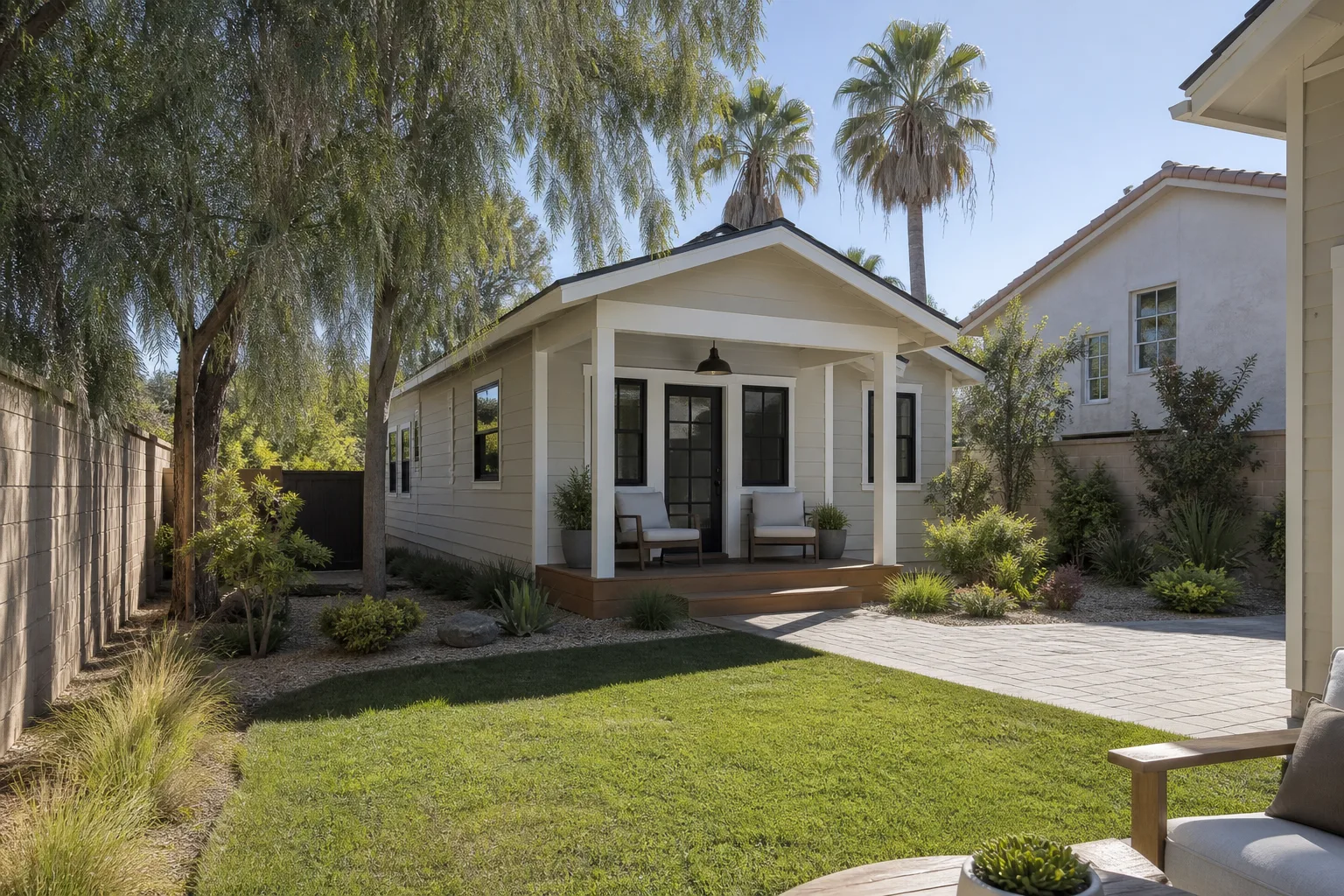
Cambria home additions and ADU projects in San Antonio typically run $45,000 to $130,000 for a full addition, and $90,000 to $220,000 for a standalone ADU, depending on square footage, foundation work, and finish level. We stock Cambria quartz and the installation materials needed to match existing Cambria surfaces in your new space, and we can usually start your project within two to four weeks once permits clear. Most homeowners reach out because they’re expanding and want the new kitchen or bath to match the Cambria they already have – or because a previous contractor quoted them a number that didn’t survive the first week of framing.
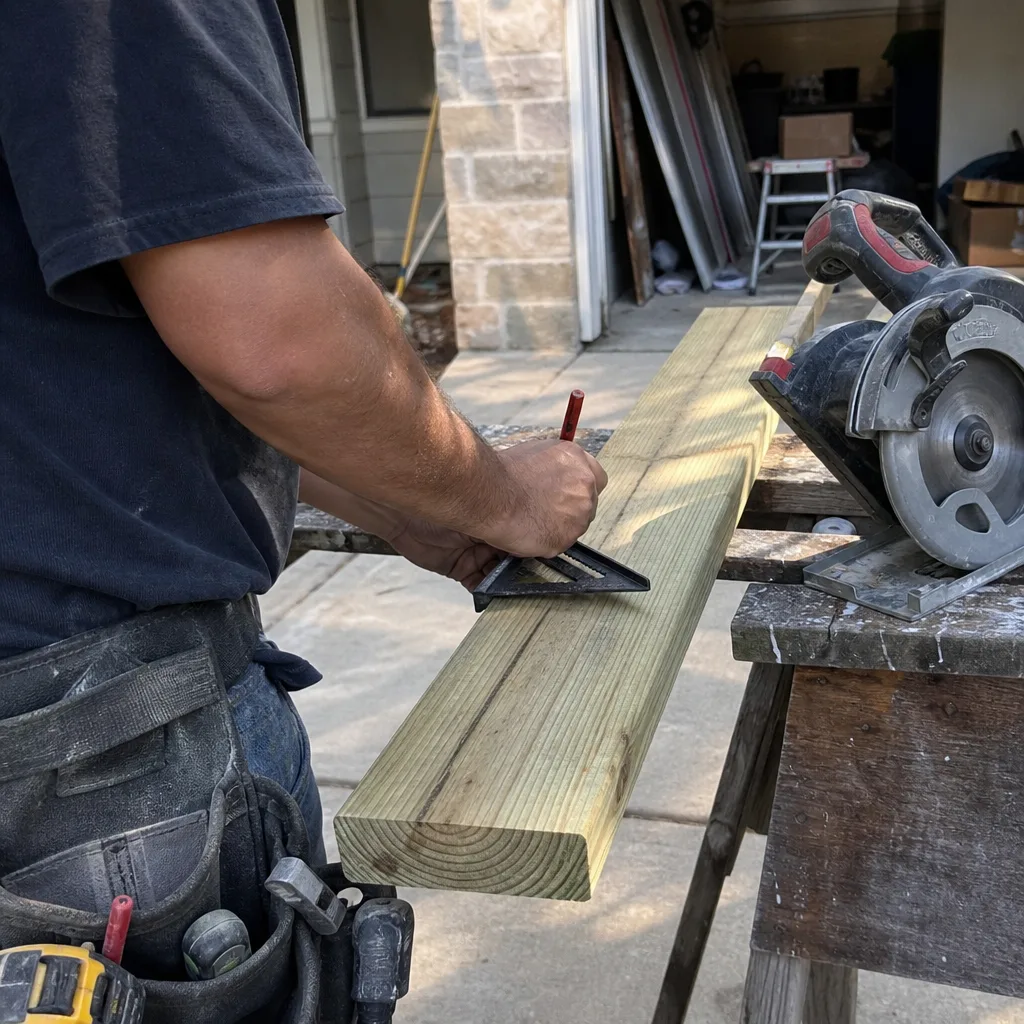
The failure point on older home additions in San Antonio isn’t usually the Cambria itself. It’s the substrate underneath or the seam work where the old structure met the new. Cambria is non-porous quartz, so it doesn’t crack from moisture the way granite can, but San Antonio’s clay soil shifts, and a slab-on-grade addition that wasn’t engineered for expansive soil will telegraph movement right up through the countertop. Luca Romano has walked more than a few Alamo Heights additions where a hairline crack in the Cambria was really a foundation issue wearing a countertop disguise.
Which Cambria Models This Applies To
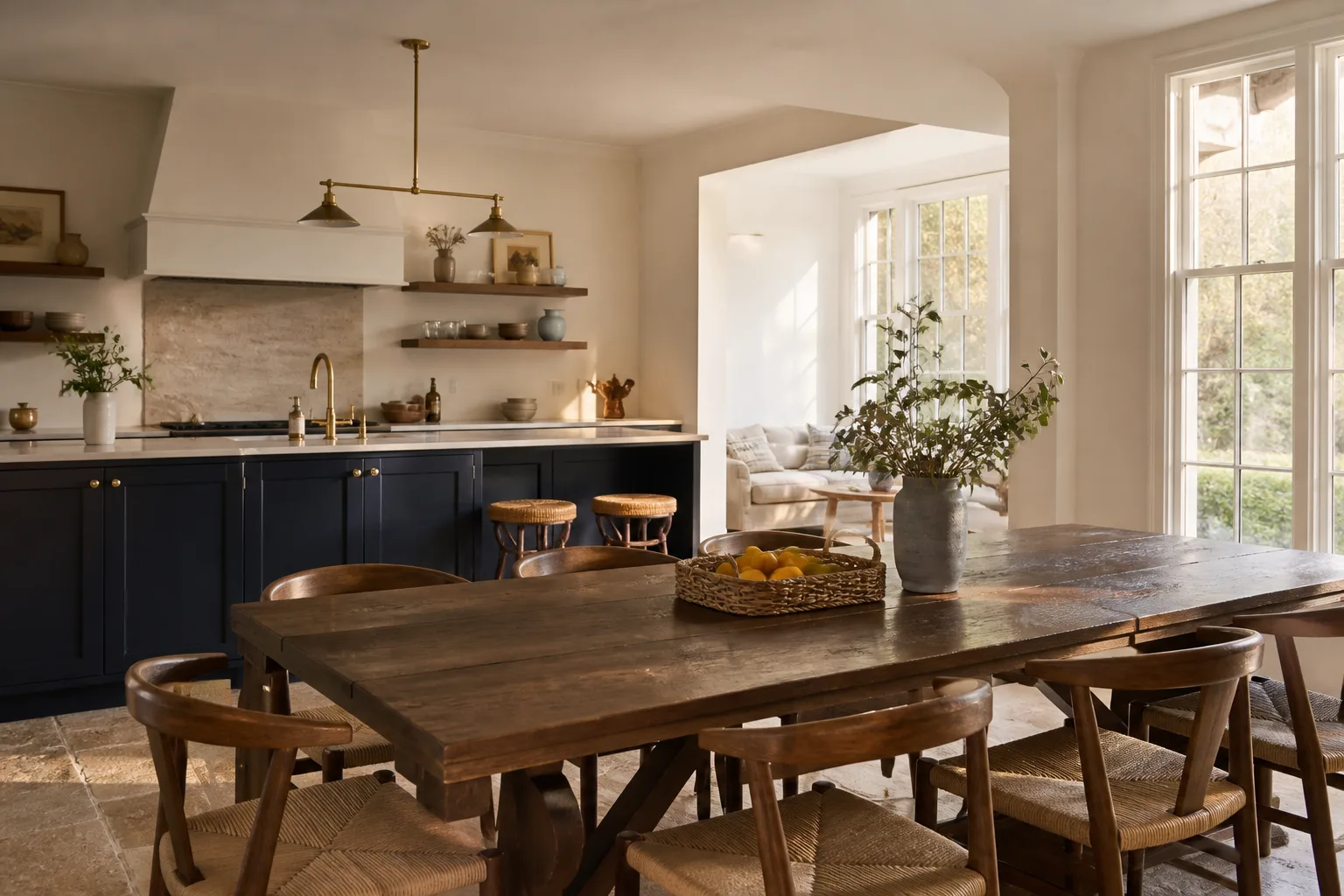
Cambria runs over 200 design series, but for home additions and ADUs, the compatibility question is less about the specific color name and more about the thickness and edge profile you’re matching. Cambria fabricates in 1 cm, 2 cm, and 3 cm thicknesses. The 3 cm slab is standard for kitchen islands and perimeter counters in new construction. If your existing home has 2 cm Cambria with a laminated edge and you’re adding on, we match the thickness first, then the design series. Mixing a 3 cm Cambria island into a 2 cm existing run looks wrong from across the room.
Here’s the gotcha most San Antonio homeowners hit: Cambria discontinues design series without much warning. If your existing Cambria color was installed five or more years ago, there’s a real chance that exact series is no longer in production. Before you plan a seamless match, check the underside of an overhang or the sink cutout for the Cambria laser-etched serial label. It gives you the series name and batch code. If the series is gone, we can show you the three closest current Cambria colors available through our supplier network right now, or pair a complementary Cambria series that reads as intentional rather than “almost matched.” We’re an independent contractor, not a Cambria dealer, which means we’re free to tell you when another brand like Silestone has a closer match than anything Cambria currently makes.
Styles & brands we work with







Signs Your Cambria Home Addition & ADU Is Failing
- Hairline cracks running from inside corners of the counters. This is almost never a Cambria defect. It’s the substrate below – usually plywood or cement board that was installed without a proper expansion gap. San Antonio’s heat cycles expand and contract the framing, and the quartz has nowhere to go. Call before the crack spreads to the edge.
- Seam separation in the addition’s countertop where the new slab meets existing work. A seam that opens up is usually a sign the addition’s slab moved independently of the original foundation. Cambria seams are glued, not mechanically fastened, so they fail visibly when the two structures move at different rates.
- Counters that slope toward the exterior wall. Put a level on it. If you’re seeing more than 1/8 inch of slope over a 4-foot run, the addition has settled. This is common in San Antonio’s clay soil when the footing wasn’t dug to a consistent bearing depth. Cambria doesn’t flex, so the stone stays straight while the floor drops out from under it.
- Water staining or darkening around the sink or cooktop cutout edges. Cambria is non-porous, so water isn’t soaking into the stone. Dark edges usually mean the adhesive or the wood subtop is holding moisture – which means a leak in the plumbing or a failed caulk joint underneath the stone.
- Chipping at the counter edge near doorways or high-traffic corners. Cambria is tough, but it’s not invincible. Chipping in a new addition usually traces back to a miscalculated overhang or an edge profile that’s too sharp for the traffic pattern in that part of the house.
See the difference
 Before
 After
After Before
 After
After Before
 After
AfterReplacement Cost & What’s Included
For the full home addition or ADU build in San Antonio, you’re looking at $45,000 to $130,000 for the addition and $90,000 to $220,000 for a detached ADU. That’s the honest range for permitted, inspected work from a licensed general contractor – not a handyman price and not a builder-grade number that becomes a change order stampede. If you’re only replacing the Cambria countertop portion in an existing addition, the countertop installation cost runs $2,000 to $6,500 depending on square footage, edge profile, and whether we’re pulling a slab out or installing fresh over new cabinetry.
Every quote from Sawyer Remodel San Antonio is a written line-item price you see before any work starts. That number is the number. The price includes the Cambria material or your chosen quartz alternative, fabrication, delivery, install, the subtop prep, seam work, sink and faucet cutout, and a written workmanship warranty. The 365-Day Done Right Promise means if something isn’t done right in that first year, we make it right on our dime.
DIY or Call Us?
Cambria quartz itself is not dangerous to handle, but it is heavy. A standard 3 cm slab for a 10-foot island can weigh over 600 pounds. That said, the real risk in DIY on a home addition or ADU isn’t the countertop. It’s the structural and electrical work that surrounds it. Running new circuits, tying into the existing foundation, framing load-bearing walls that meet San Antonio code – get any of that wrong and the Cambria sitting on top of it is the least of your problems. If you’re doing a straight countertop swap in an existing kitchen with no structural changes, a skilled owner can handle demo and disposal. But cutting Cambria on site requires diamond tooling and a wet saw. One bad cut and you’ve bought the slab twice. For the structural side, the addition, the ADU, the foundation – call us at (432) 547-6806. The estimate is free, and we’ll tell you honestly whether your project needs an engineer before you spend a dollar on stone.
FAQs
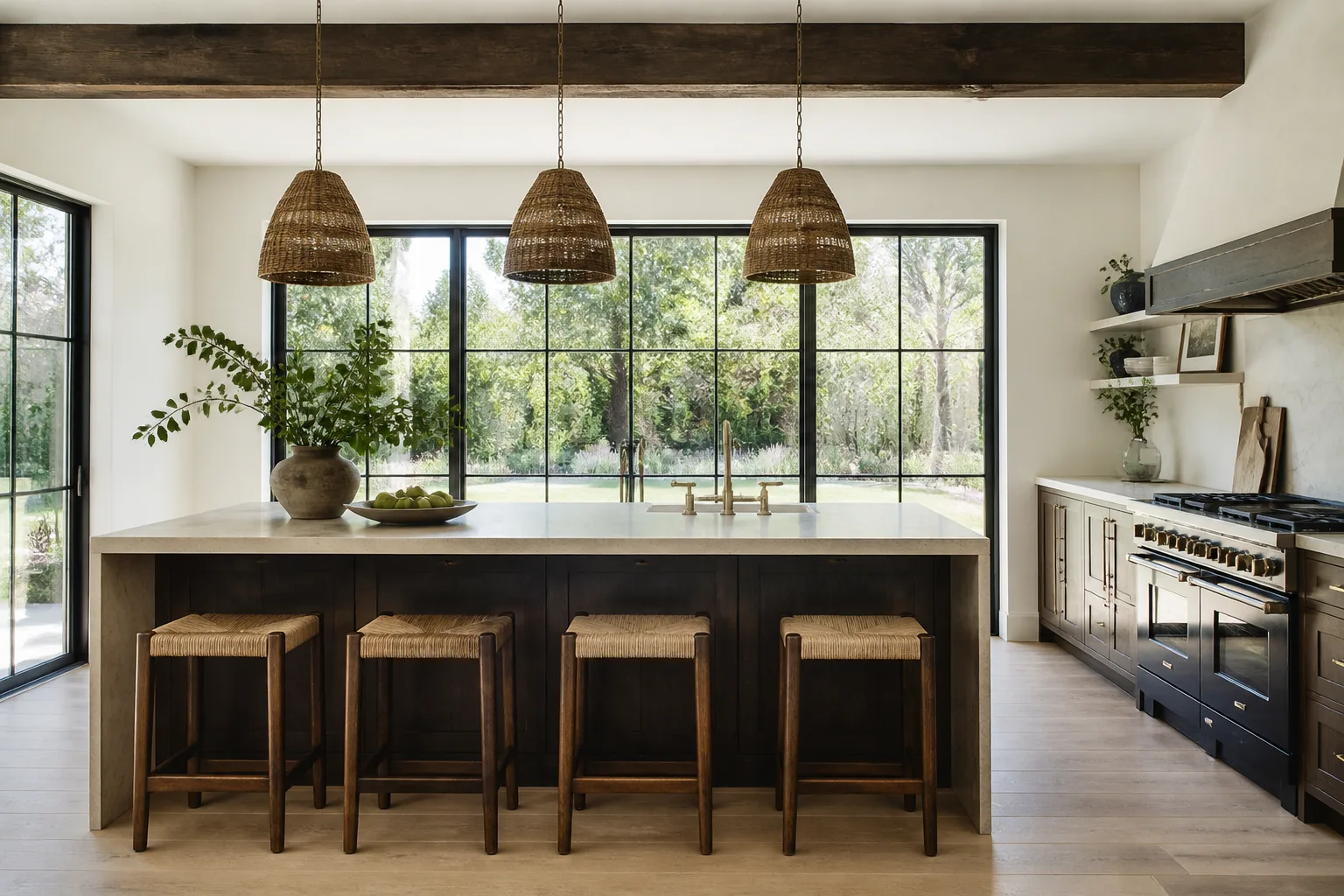
Cambria quartz carries a lifetime limited warranty from the manufacturer, and the stone itself won’t wear out in your lifetime under normal use. The weak points in a San Antonio addition are the substrate and seams, which typically need attention every 10 to 15 years due to soil movement and thermal cycling. Call (432) 547-6806 and we’ll inspect your existing counters or spec new work correctly the first time.
Small chips and edge nicks can be filled with color-matched adhesive and polished to near-invisible, but a structural crack that runs through the slab cannot be reliably repaired. Quartz is a resin-bonded material, and a through-crack means the slab has been over-stressed. Replacing the affected section is the honest fix. Call (432) 547-6806 for a free on-site assessment before you pay anyone for a repair.
A typical home addition runs 8 to 16 weeks from permit approval to final walkthrough, and a standalone ADU runs 4 to 8 months depending on utilities, foundation type, and finish level. San Antonio’s permitting timeline varies by project scope. The Relay Visibility Guarantee means you get live arrival times, before-and-after photo updates, and a written price before any work starts, so you’re never guessing where the project stands.
We order Cambria through our supplier network and handle the full material flow – templating, fabrication, delivery, and install. You don’t source anything. We also work regularly with Silestone, Caesarstone, KraftMaid cabinetry, and Kohler fixtures if you want a coordinated package across the whole addition. Call (432) 547-6806 and we’ll walk you through what’s available and when.
If you’re planning a home addition or ADU in San Antonio and Cambria surfaces are part of the picture, get a real number before you commit. We put the price in writing, show up when we say we’ll show up, and Luca still walks every final on the job himself. The craft comes first. Everything else follows.
Call Sawyer Remodel San Antonio at (432) 547-6806 to schedule your free estimate.
Written by Luca Romano, Owner, Sawyer Remodel San Antonio at Sawyer Remodel San Antonio, serving San Antonio and nearby areas.


