
Free written scope consultation - allowances, timeline, and change-order rules on paper before a single trade is scheduled
CGI Home Additions & ADU: The San Antonio Owner’s Guide
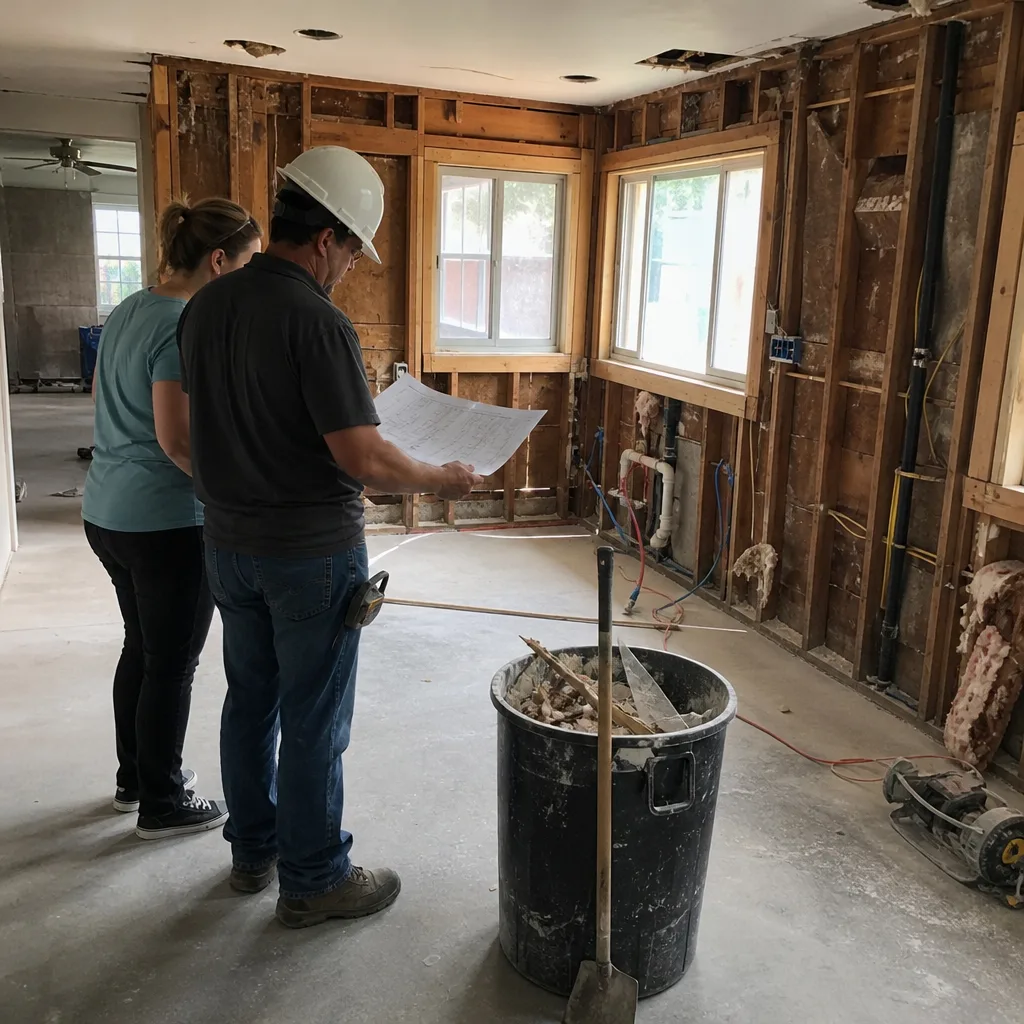
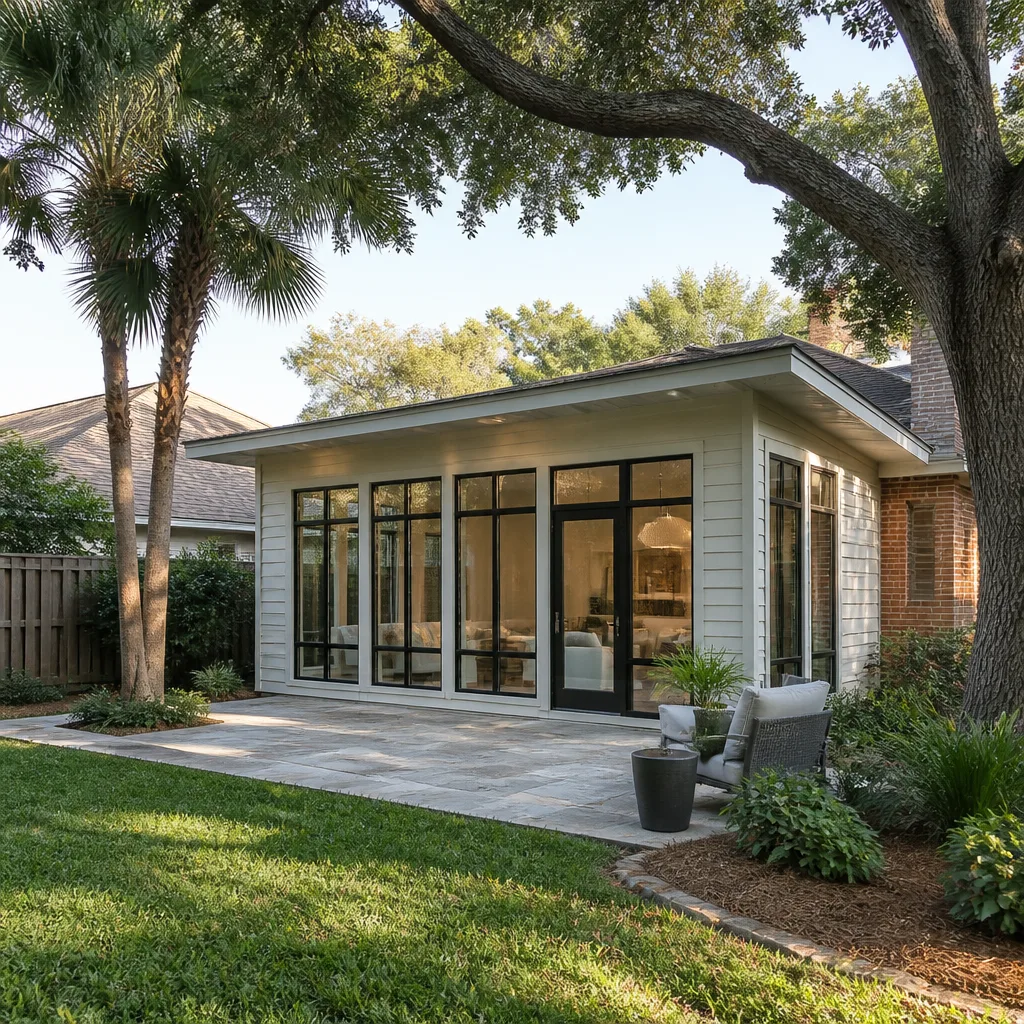
If you’re looking at a CGI home addition or ADU project that’s stalled, failed, or needs a part matched correctly, we can help. Sawyer Remodel San Antonio installs and replaces CGI-compatible components for home additions and ADUs across the San Antonio metro, with a typical installed range of $45,000 to $130,000 depending on scope, foundation work, and finish level. Most owners call us after discovering a framing issue, a foundation shift, or a water intrusion point in an existing structure – and they want to know if it’s fixable without tearing the whole thing down. It usually is.
We’re an independent San Antonio contractor, not affiliated with CGI. That means we match parts and materials based on what’s actually in your structure, not a catalog number someone handed us.
Which CGI Models This Applies To
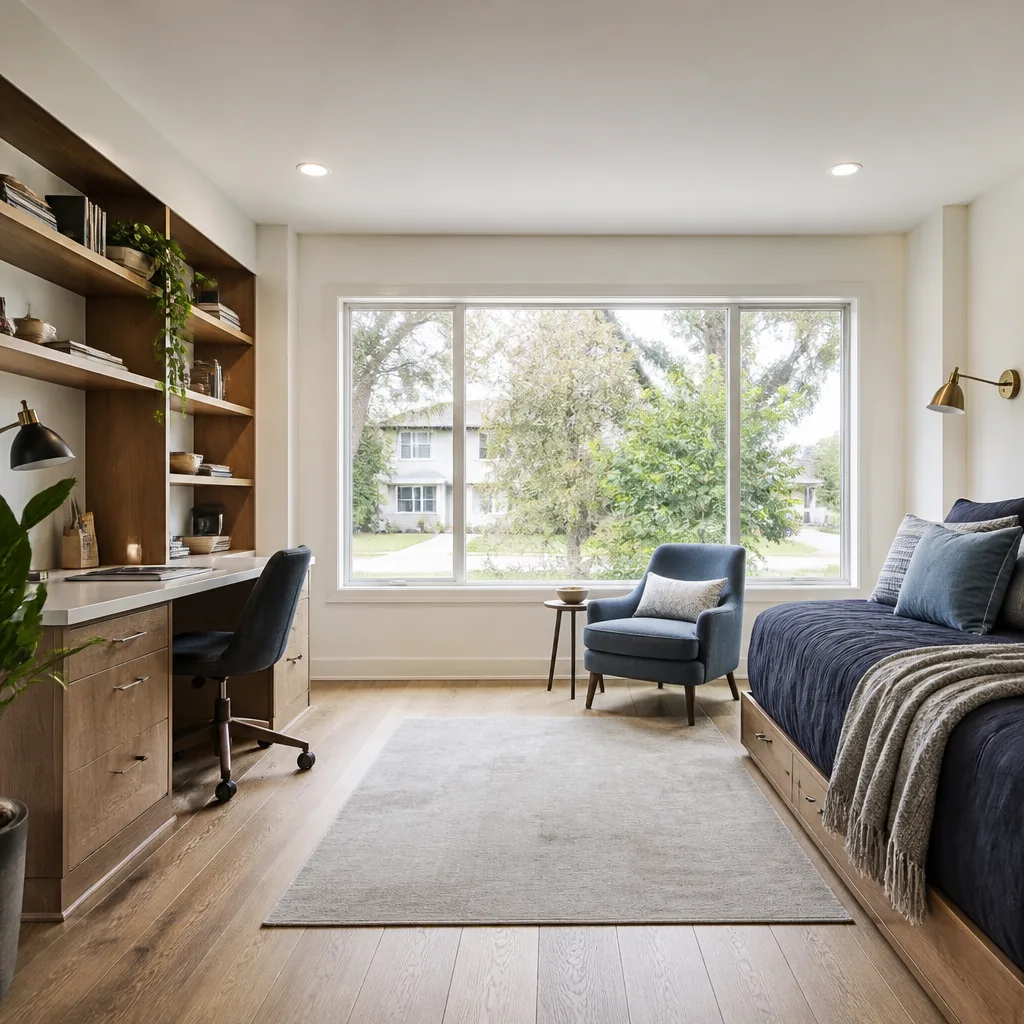
CGI home additions and ADUs aren’t a single product line the way a window series is. CGI manufactures building components – panels, framing systems, and structural elements – that get spec’d into larger additions and accessory dwelling units. The compatibility question is really about what’s already on your property. We identify the correct part by measuring existing openings, checking panel stamps and serial tags, and matching the construction method to what CGI actually supplied.
Here’s the gotcha most San Antonio homeowners run into: CGI components are often custom-sized per project. A panel from one addition won’t necessarily swap into another, even if both came from CGI. OEM parts cost more and can take weeks to arrive. Quality aftermarket equivalents – manufactured to the same dimensional and load specs – often install faster and perform identically in our climate. We’ll tell you when OEM matters and when it doesn’t. That’s the kind of straight answer you’ll get from Luca Romano and our crew.
Styles & brands we work with







Signs Your CGI Home Additions & ADU Is Failing
- Drywall cracks at the joint between the addition and the original house. This usually means differential settling – the addition is moving at a different rate than the main structure. In San Antonio’s expansive clay soil, this is common, but cracking that widens over a few months needs a structural look.
- Water staining on the ceiling or wall where the addition ties in. Roof flashing failures at the tie-in point are the number one failure we see on additions in San Antonio. Summer storms push water sideways, and a marginal flashing job shows itself fast.
- Doors or windows that stick seasonally. Clay soil swells with rain and shrinks in drought. If doors bind every spring and loosen by August, the foundation or the frame connection is moving more than it should.
- Energy bills climb and the addition feels hotter than the rest of the house. That points to failed insulation, air sealing gaps, or degraded panel seals – common after 15-plus years in Texas heat, which breaks down adhesives and vapor barriers faster than moderate climates.
- Visible gaps at the exterior cladding or siding seams. If you can see daylight or feel air moving at panel joints from inside, the exterior envelope has opened up. Water will follow, and it won’t wait for you to schedule a fix.
See the difference
 Before
 After
After Before
 After
After Before
 After
AfterReplacement Cost & What’s Included
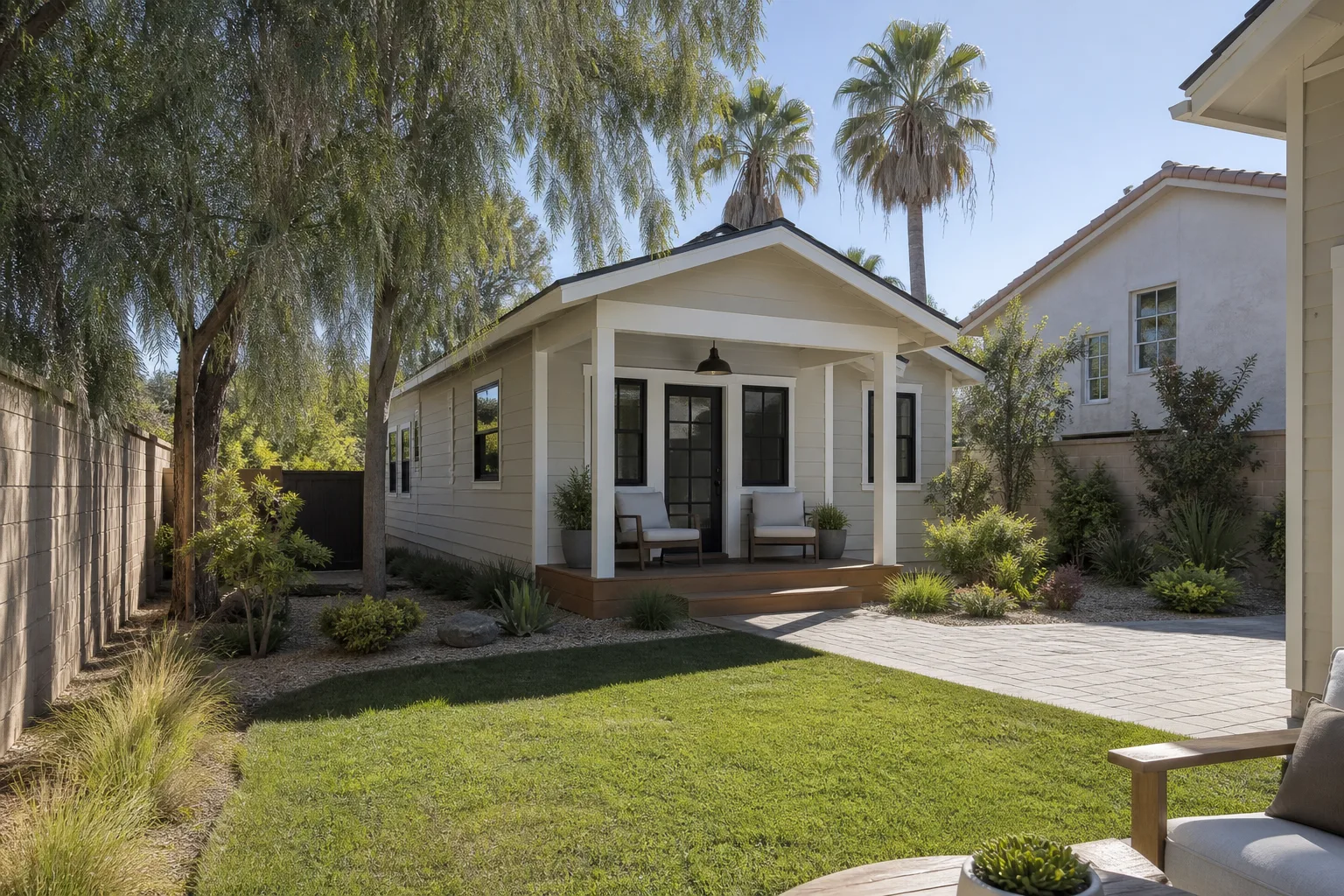
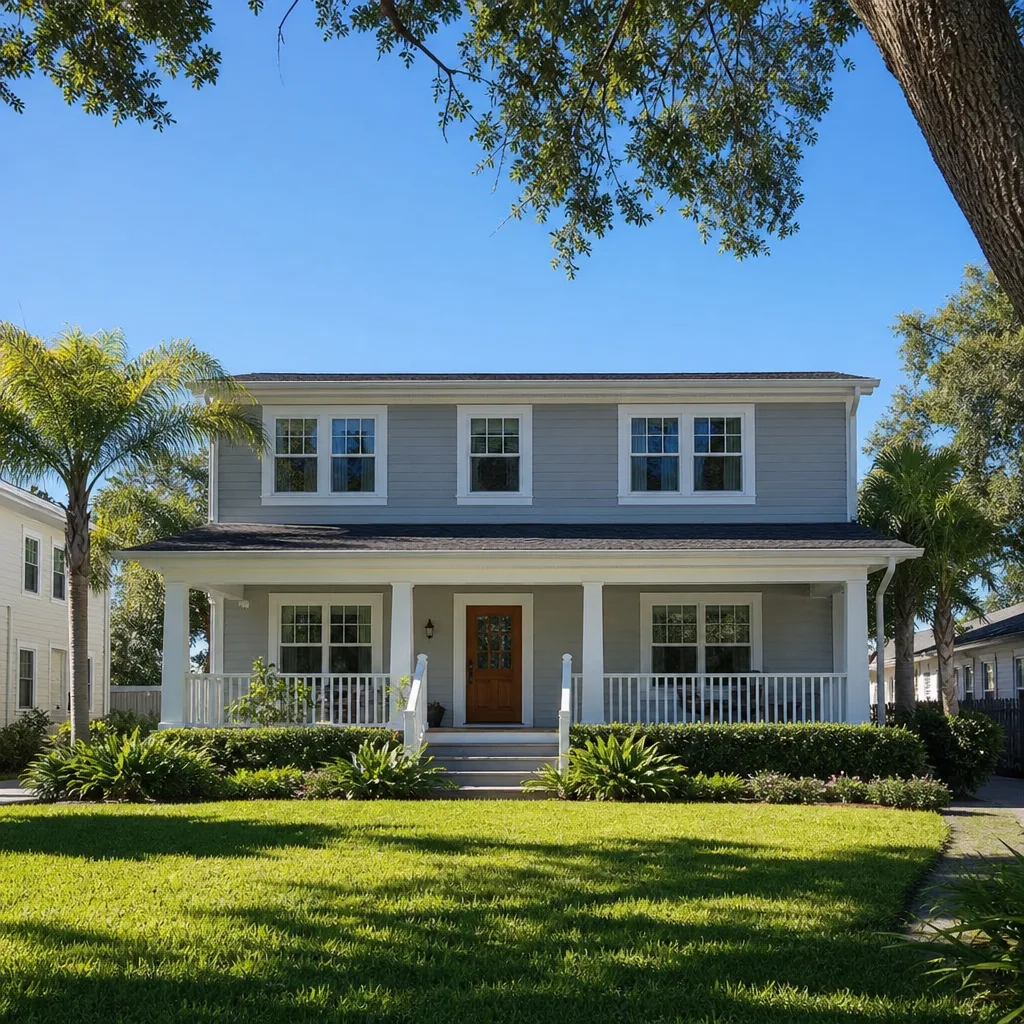
In San Antonio, a full home addition using CGI-compatible components runs $45,000 to $130,000 installed. A detached ADU construction job lands between $90,000 and $220,000. Garage conversions fall in the $30,000 to $80,000 range. What drives the spread? Foundation condition, whether we’re tying into existing plumbing and electrical or running new services, finish level, and whether the existing structure is salvageable or needs partial teardown.
Every quote from Sawyer Remodel San Antonio includes the written price before work starts, the parts, labor, permits pulled by us, and our 365-Day Done Right Promise in writing. If it’s not done right, we make it right. No change orders at the door, no surprise line items on the invoice. You’ll get the number you approved, nothing else.
DIY or Call Us?
Some things a San Antonio homeowner can handle: checking for visible gaps, running a hose along the tie-in area to spot leaks, documenting cracks with photos over a few weeks. That’s smart due diligence, and it helps us diagnose faster when you call.
Structural framing, foundation tie-ins, and load-bearing panel replacement are not DIY territory. A wrong load calculation on an addition or ADU in Texas clay soil means cracked foundations, sagging rooflines, and a structure that won’t pass inspection. We see it regularly – a homeowner starts a “small fix” and ends up paying double to undo the damage. If the part that failed touches structure, call a licensed contractor who carries the right liability and knows San Antonio’s permit process. Call us at (432) 547-6806 and we’ll give you a straight read on what you’re looking at.
FAQs
Expect 20 to 30 years from structural panels and framing when installed correctly, with exterior seals and flashing needing replacement every 10 to 15 years in Texas heat and UV exposure. San Antonio’s freeze-thaw cycles are mild, but the summer sun is brutal on sealants and vapor barriers. Call (432) 547-6806 for an inspection if your addition is past the 15-year mark.
Yes, most failing additions can be repaired without a full teardown – flashing, panel replacement, and foundation remediation are all viable fixes when caught early. The key is addressing the root cause, not just patching the symptom. We’ll tell you straight if repair makes sense or if replacement is the cheaper long-term call.
A typical repair – flashing, panel replacement, or structural tie-in fixes – takes 3 to 10 days once permits clear and materials arrive. Full additions or ADU builds in San Antonio run 3 to 8 months depending on scope and city inspection schedules. We’ll give you a timeline in writing before we start, and you’ll get photo updates as the work progresses.
We keep common flashing profiles, panel fasteners, and structural connectors that match CGI’s typical specs on hand, and we order custom-sized components as needed with real lead times. If OEM parts are required, we’ll tell you the wait. If a quality aftermarket equivalent does the same job for less and faster, we’ll tell you that too. Either way, the price is on paper before you approve anything.
If your CGI home addition or ADU is showing cracks, leaks, or settling, don’t wait for the next San Antonio storm to reveal the full extent of it. Call Sawyer Remodel San Antonio at (432) 547-6806 and we’ll schedule a walkthrough. You’ll get a written price, a straight answer on what’s actually wrong, and a plan you can hold us to. The craft comes first. Everything else follows.
Written by Luca Romano, Owner, Sawyer Remodel San Antonio at Sawyer Remodel San Antonio, serving San Antonio and nearby areas.


