

Free written scope consultation - allowances, timeline, and change-order rules on paper before a single trade is scheduled
James Hardie Bathroom Remodeling: The San Antonio Owner’s Guide
You bought James Hardie for a reason. The siding holds up to Texas heat, hail, and humidity better than anything else on the market. But what most San Antonio homeowners don’t realize is that James Hardie products aren’t just for exterior siding. Their fiber cement boards, panels, and trim show up in bathrooms too, especially in shower surrounds, tub surrounds, and wet-area wall panels where moisture resistance matters. When those boards fail or need replacement, a full bathroom remodel in San Antonio typically runs $9,000 to $28,000 installed, and that price should be in writing before a single tool comes out of the truck.
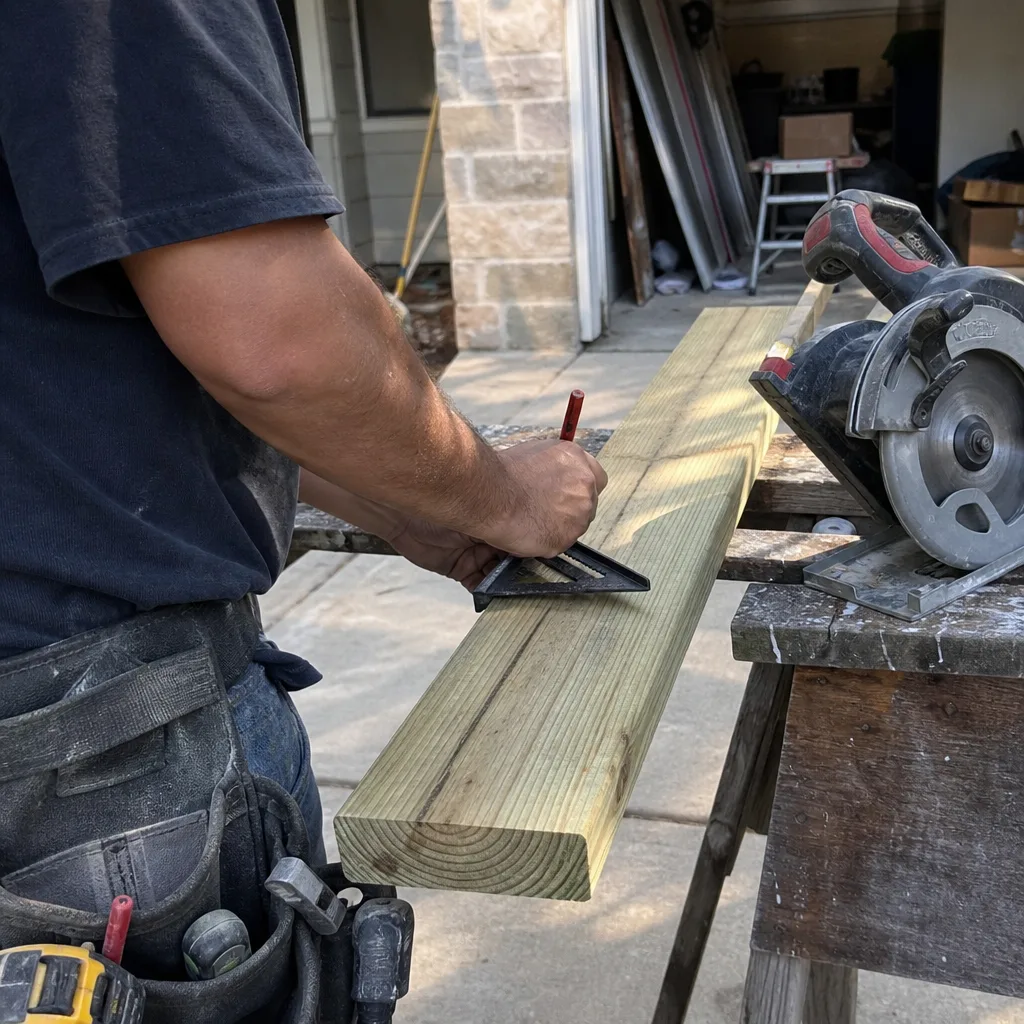
Here’s how most people find out their James Hardie bathroom panels are failing: they spot a hairline crack near the shower base, or the paint starts bubbling along the bottom edge, or the board feels soft when pressed. Texas showers see a lot of steam, a lot of hard water, and a lot of temperature swings. None of that is kind to any wall board, even Hardie’s. The good news is that a James Hardie-specific bathroom remodel isn’t some mystery job. It’s a known quantity: pull the failed board, check the framing behind it, waterproof properly, and set the new panel. The bad news is that cutting corners on any of those steps means you’ll be doing this again in three years.
Which James Hardie Models This Applies To
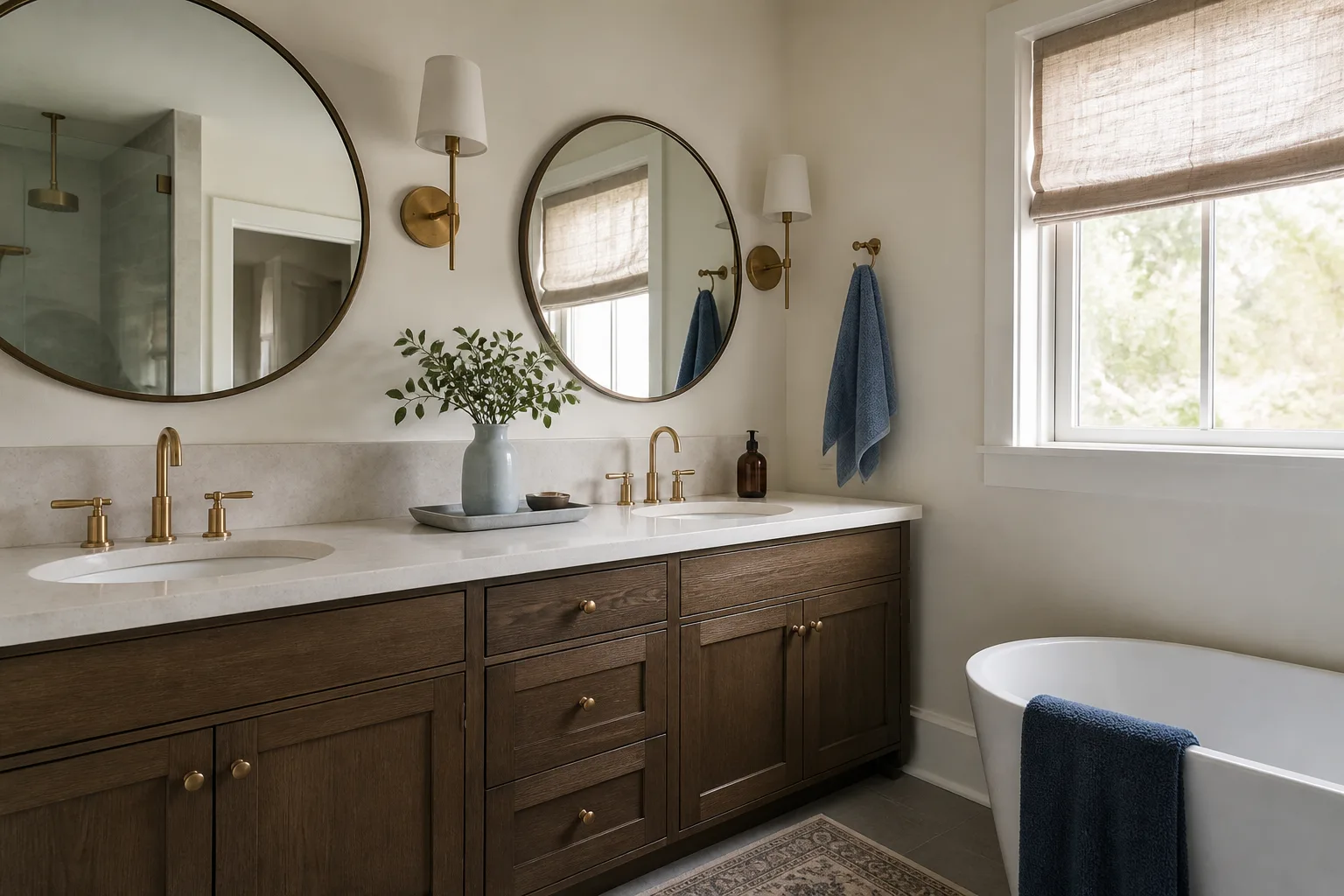
When we talk about James Hardie in a San Antonio bathroom, we’re usually talking about three product lines. First is HardieBacker cement board, which comes in 1/4-inch and 1/2-inch thicknesses and gets used as the tile substrate behind shower walls and tub surrounds. Second is HardiePanel, the 5/16-inch fiber cement sheet that occasionally gets used as a finished wall surface in bathrooms, garages, and utility rooms. Third is James Hardie’s exterior trim and siding products that sometimes wrap into bathroom-adjacent spaces, especially in San Antonio homes with bathroom windows on an exterior wall where the siding meets the window frame.
The compatibility gotcha most people run into is thickness. Tile installers who know San Antonio’s code requirements will tell you 1/2-inch HardieBacker is standard for wall framing on 16-inch centers, but some older Alamo Heights and Terrell Hills homes have framing at 24-inch centers. That requires 1/2-inch board minimum, and if someone installed 1/4-inch to save time, you’ll see cracking within a year or two. OEM HardieBacker is what most of our crews prefer because the edges are square and the board doesn’t flex, but there are quality aftermarket cement boards that do the job if the homeowner is on a budget. The decision usually comes down to warranty: James Hardie’s manufacturer backing only applies to their product, not aftermarket substitutes. We’ll tell you the difference in writing before you commit.
Styles & brands we work with







Signs Your James Hardie Bathroom Remodeling Is Failing
Here’s what we actually see in San Antonio bathrooms when James Hardie products start failing. If any of these sound familiar, it’s worth a second look before the damage spreads to framing.
- Soft spots or flex when you press the wall – This almost always means water got behind the board and started eating the framing. The board can look fine on the surface while the stud behind it rots. In San Antonio’s humidity, once moisture gets behind a cement board, it doesn’t dry out on its own.
- Cracked or crumbling board edges near the shower base – HardieBacker wicks water from the bottom edge if it wasn’t sealed or gapped properly at installation. We see this constantly in homes built in the 2000s where installers skipped the silicone bead at the tub lip.
- Tile popping loose from the board in sections – Cement board doesn’t bond to tile the way old mud beds did. If the board wasn’t taped and mudded at the seams, the tile is pulling away from a substrate that’s now moving independently. You’ll hear a hollow sound when you tap it.
- Mold staining that keeps coming back after cleaning – This means there’s a moisture source behind the board, not on the surface. Bleach won’t fix it. You’re seeing the symptom of a water intrusion problem that’s been running for months.
- Visible rust or corrosion around screws and seams – Cement board eats standard steel screws. James Hardie requires corrosion-resistant fasteners, and if someone used drywall screws, you’ll see rust bleeding through the grout or paint within a few years. That rust is also expanding and cracking the board from the inside.
See the difference
 Before
 After
After Before
 After
After Before
 After
AfterReplacement Cost & What’s Included
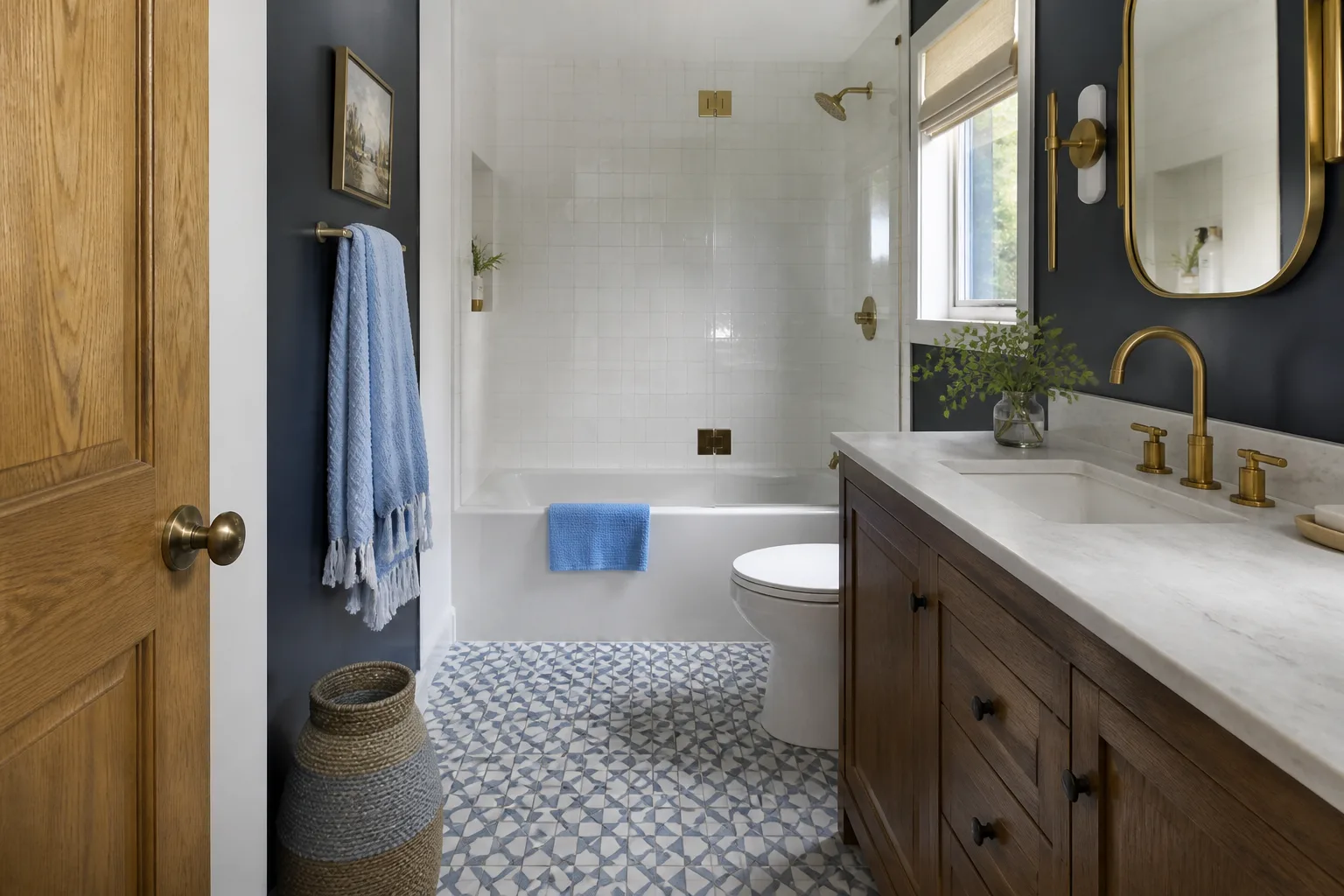
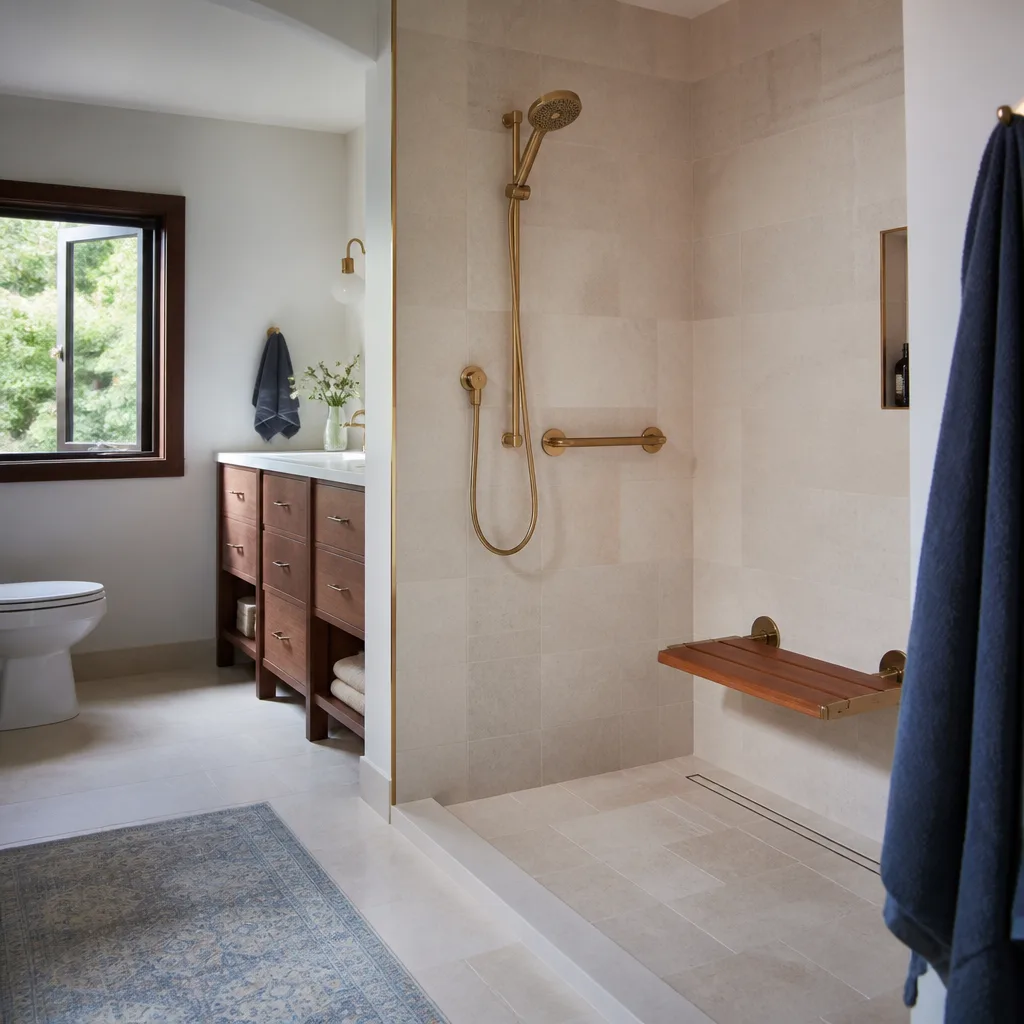
For a James Hardie-focused bathroom remodel in San Antonio, you’re looking at $9,000 to $28,000 for a full job. That range breaks down into the basics: smaller bathrooms with a standard tub surround and minimal tile work land in the $9,000 to $12,000 range, while a full gut with a walk-in shower, new HardieBacker throughout, custom tile, and updated fixtures pushes toward $18,000 to $28,000. The price swings on square footage, how much framing repair is needed once we expose the wall, and whether you’re keeping the existing layout or moving plumbing.
Here’s what you should expect in writing from any contractor quoting this work:
- Parts and boards: HardieBacker or HardiePanel in the right thickness for your framing, plus proper fasteners, seam tape, and waterproofing membrane. Off-brand cement board saves a few dollars, and we’ll show you that option if budget matters, but the warranty math usually favors staying with James Hardie.
- Labor: Demo of the failed board, inspection of the framing, repair of any rotted studs, installation of the new substrate, and setting the tile or finished surface. This is not a one-day job, and anyone who says it is didn’t plan for thinset cure time.
- Warranty: Our 365-Day Done Right Promise covers the work we do for a full year after the project closes. If something isn’t done right, we make it right. That’s in writing on every job, not something you have to ask for.
DIY or Call Us?
Let’s be straight about what’s safe to check on your own. You can look for soft spots, check for rust on exposed screw heads, and tap tile to listen for hollow sounds. None of that hurts anything, and it’ll tell you whether you’ve got a real problem or just cosmetic wear. You can also kill the water to the bathroom and pull a shower escutcheon plate off to peek at whether the board looks water-stained behind the fixture.
What you shouldn’t do is start cutting out failed HardieBacker without knowing what’s behind it. Cement board dust is silica dust, and breathing it without the right respirator is a long-term health problem, not a short-term cough. There’s also a decent chance the framing behind a failed board is rotted, and once you open that wall, you need to know what a load-bearing stud looks like before you start notching and shimming. We’ve rebuilt bathrooms across San Antonio where a well-meaning homeowner started a weekend demo and ended up with a hole in the wall, a mold bloom, and twice the repair bill. If the damage is in the shower zone, call (432) 547-6806 and get us out to look. The estimate is free, and you’ll know the real scope before you commit to anything.
FAQs
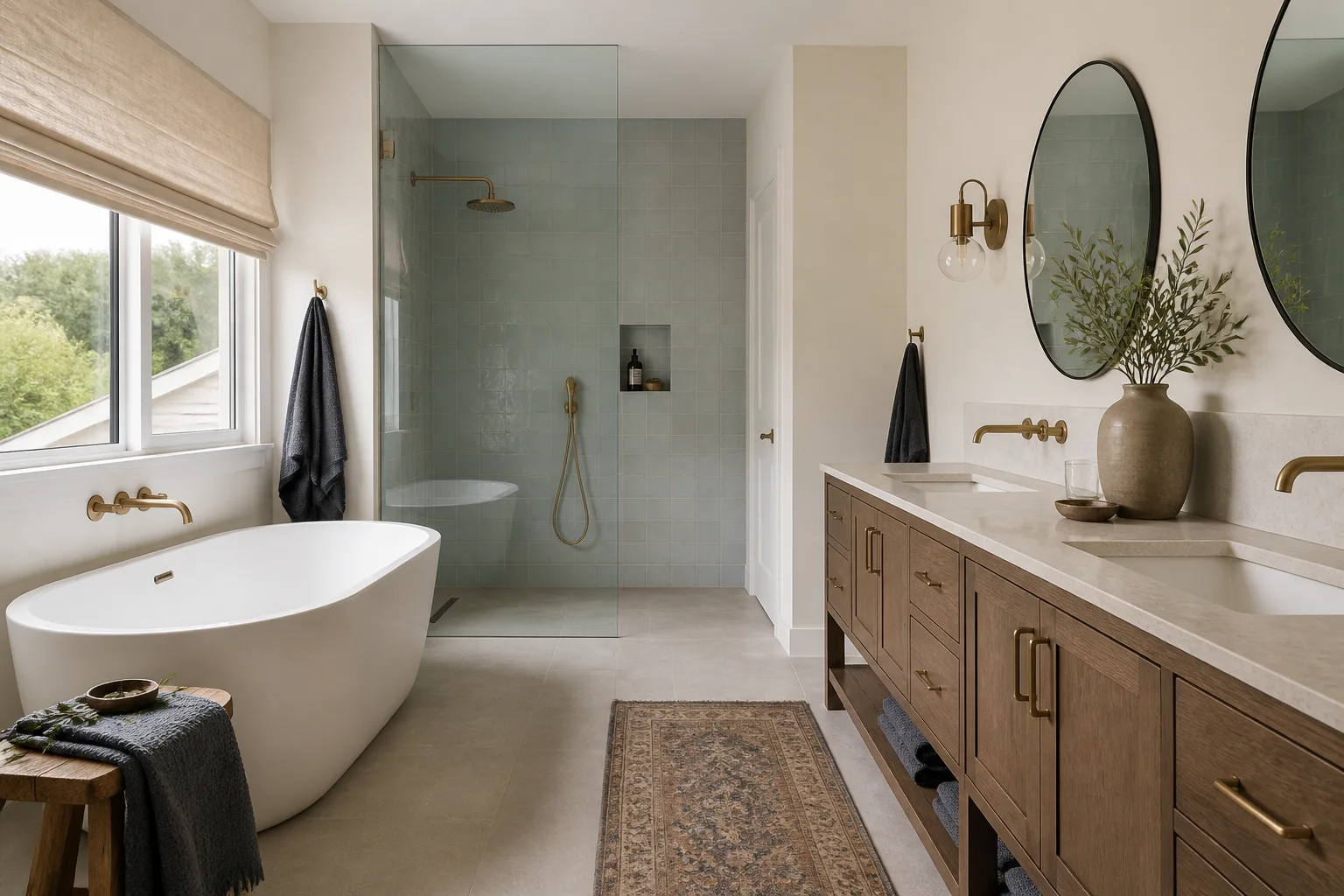
Properly installed HardieBacker lasts 30 to 50 years, but in San Antonio’s humidity, the installation quality matters more than the board itself. A board with proper waterproofing and seam sealing will outlast the house. A board installed without reinforcement tape or with the wrong fasteners can fail in under five years. Call (432) 547-6806 if you want us to assess what you’ve got, and the estimate is free.
Small cracks and isolated soft spots can sometimes be patched if the framing behind them is still solid, but in a shower zone, patching is almost always a temporary fix. Water that got behind the board once will find its way back. We’ll tell you honestly whether you’re looking at a repair or a replacement, and either way you get a written price before the work starts.
A standard tub surround replacement with new HardieBacker and tile takes three to five working days. A full bathroom gut with a walk-in shower, custom tile, and fixture updates runs one to two weeks. We give you a schedule in writing before we start, and you get photo updates and live arrival times through The Relay Visibility Guarantee, so you’re never wondering who’s showing up or when.
We carry 1/2-inch and 1/4-inch HardieBacker on the truck for standard jobs, and we can get HardiePanel for finished wall applications from our local supplier in San Antonio within a day. We also stock related parts from KraftMaid, Cambria, and Silestone for the finish work, so the board isn’t the only thing holding up your project. Call (432) 547-6806 and tell us what you’re seeing, and we’ll confirm what’s available before we schedule anything.
Luca Romano and the crews at Sawyer Remodel San Antonio have been working bathrooms across this city long enough to know that a failed board is never just a failed board. It’s a drainage issue, a vapor barrier issue, or an installer who cut a corner. We find the source, fix it right, and put the price in writing before we pick up a tool. The craft comes first. Everything else follows.
Need a real answer and a written number? Call (432) 547-6806 to schedule your free estimate. We serve San Antonio and the surrounding areas, and we’ll bring the expertise, the board, and a price that doesn’t change at the door.
Written by Luca Romano, Owner, Sawyer Remodel San Antonio at Sawyer Remodel San Antonio, serving San Antonio and nearby areas.


