

Free written scope consultation - allowances, timeline, and change-order rules on paper before a single trade is scheduled
James Hardie Driveway & Pavers: The San Antonio Owner’s Guide
Most San Antonio homeowners don’t think about their driveway or pavers until a paver cracks under the truck or a section of the drive starts sinking after a heavy rain. Here’s the straight answer: we don’t stock James Hardie driveway pavers or paving products, because James Hardie doesn’t manufacture them. Their product line is fiber cement siding, trim, and backer board, not hardscape. What we do stock and install are the paver and driveway materials that get confused with James Hardie on job sites every week, along with the Hardie siding, trim, and backer that often borders those hardscapes. If you’re searching for James Hardie driveway & pavers in San Antonio, you probably have a failed paver edge next to Hardie siding, a cracked concrete drive, or a paver patio that’s heaved from our clay soil, and you need a straight answer on what it costs to fix it right.
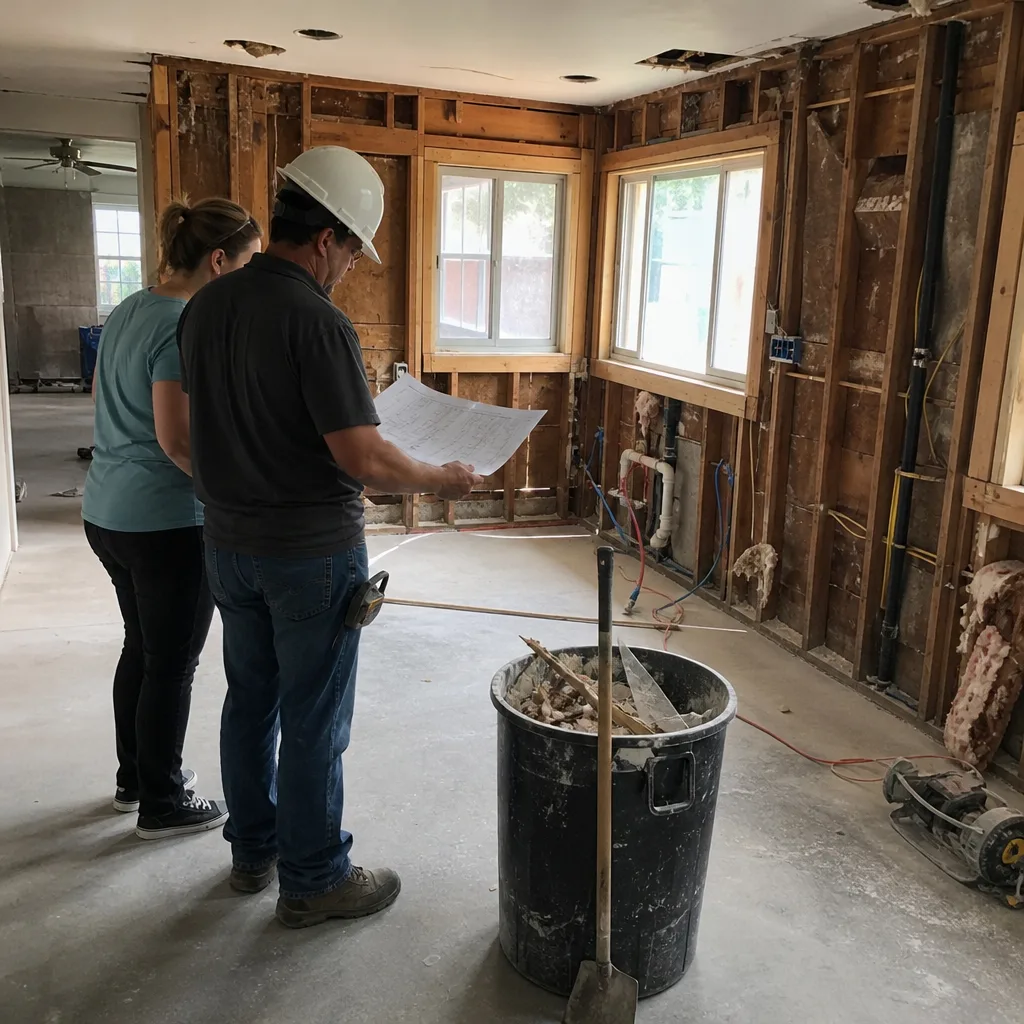
Installed paver driveway work in San Antonio runs $7,000 to $18,000 for a standard two-car drive. Paver patio work runs $3,500 to $11,000. Concrete driveway replacement runs $4,500 to $12,000. If you’ve got Hardie siding or trim adjacent to that driveway, we’ll match the reveal lines and flashing so the hardscape work doesn’t turn into a siding repair later.
Key takeaways:
- James Hardie does not make driveway pavers or paving products. Their line is fiber cement siding, trim, and backer.
- Most “James Hardie driveway” searches in San Antonio are really about paver or concrete driveway failure next to Hardie-sided homes.
- Paver driveway replacement in San Antonio: $7,000 to $18,000 installed.
- We stock paver and concrete materials on the truck, and we keep Hardie trim and siding on hand for edge transitions.
- Written price before work starts. Always.
Which James Hardie Models This Applies To
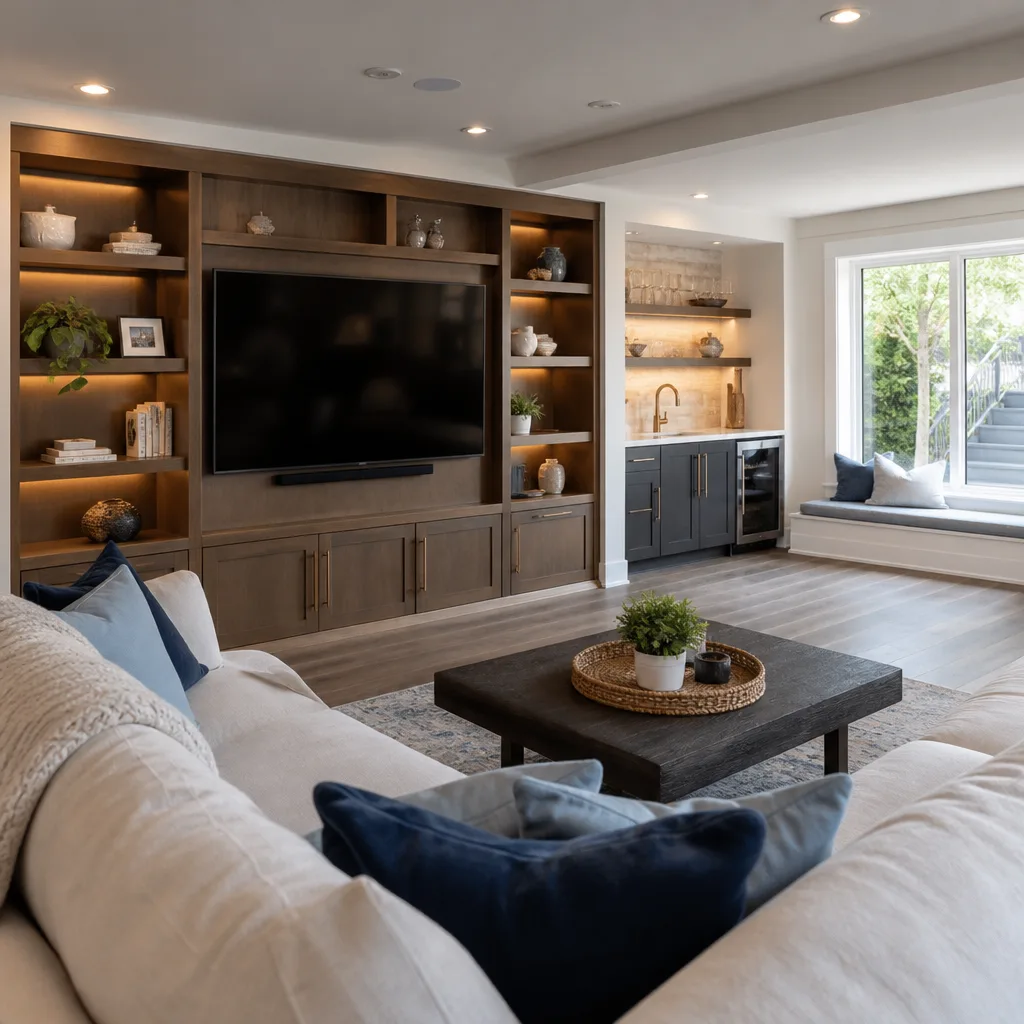
If your San Antonio home has HardiePlank lap siding, HardiePanel vertical siding, HardieTrim boards, or HardieBacker cement board anywhere near your driveway, patio, or walkway, this page applies to you. The most common situation we see: a concrete driveway poured years ago that’s now spalling at the edges, right where the driveway meets HardieTrim at the garage apron or the side entry walk. The concrete fails first. The Hardie trim wicks moisture from the failed concrete and starts to swell or discolor at the bottom edge. Homeowners call it a “James Hardie driveway problem” because the visible damage is the siding, but the root cause is the hardscape.
Model compatibility gotcha: HardiePlank lap siding has a 1¼-inch minimum clearance requirement from hardscape surfaces like concrete and pavers. That’s from the bottom edge of the plank to the finished hardscape. When a San Antonio driveway is poured too high or pavers are set proud against the foundation line, that clearance disappears. Water sits against the plank. In our climate, with freeze-thaw cycles in the Hill Country and 30-plus inches of annual rain, that gap matters more than in drier parts of Texas. If your Hardie plank is touching your driveway or a paver patio, that’s a code violation and a rot invitation, even though Hardie is cement-based. The bottom edge wicks and holds moisture against the wooden sill plate behind it. That’s the failure nobody sees until a paint bubble appears.
HardieBacker and HardiePanel have different clearance rules, but the principle is the same: hardscape should shed water away, not hold it against the cladding. When we do paver or driveway work on a Hardie-sided home, we’re not just setting pavers. We’re cutting back or flashing the Hardie trim correctly, sealing the gap, and making sure drainage moves downhill and away.
Styles & brands we work with







Signs Your James Hardie Driveway & Pavers Is Failing
- Hardie plank or trim touching the driveway or pavers. You can slide your finger under it, or you can’t. If you can’t, water is wicking into the plank’s cut edge every time it rains. That’s the number one call we get in Alamo Heights and Terrell Heights, where older homes were often hardscaped tight to the cladding.
- White chalky residue (efflorescence) on the bottom edge of Hardie siding. This means moisture is moving through the board and depositing salts on the surface. Hardie is cement, so it doesn’t rot, but the salts tell you water is getting where it shouldn’t. Behind that board, the framing is taking on moisture too.
- Paver edges sinking or spreading at the driveway transition. San Antonio’s black clay expands when wet and shrinks when dry. Without a proper compacted base and edge restraint, pavers at the driveway edge start to sink and separate. Then the Hardie trim at the garage door takes the water splash instead of the hardscape.
- Paint bubbling or peeling within 6 inches of the driveway line. Hardie’s factory finish and proper paint should last 15 years in our climate. Peeling at the bottom edge in under five means water is coming from the ground, not the sky. You fix the hardscape grade, then repaint. Paint first, and it fails again in two years.
- Cracks in the concrete driveway running parallel to the house. This usually means soil movement under the slab, often worsened by gutter downspouts dumping water right at the foundation line. The slab tilts toward the house, water runs back at the Hardie, and the whole cycle starts over.
See the difference
 Before
 After
After Before
 After
After Before
 After
AfterReplacement Cost & What’s Included
For San Antonio homeowners, here’s the range you should budget. Paver driveway installation: $7,000 to $18,000, which includes excavation of the old surface, compacted base material, sand setting bed, pavers, edge restraint, and joint sand. Concrete driveway replacement: $4,500 to $12,000 depending on thickness, reinforcement, and whether we’re hauling off the old slab. Paver patio: $3,500 to $11,000. If the job includes Hardie siding, trim, or backer replacement at the transition, that’s priced separately with materials reflected on the line item. We don’t hide the siding cost inside the paver line.
What drives the range in San Antonio: access (can a dump truck get to the back yard or are we wheeling material through a gate), the condition of the subgrade (sometimes we hit old tree roots or utility lines), and whether you choose basic concrete pavers or a higher-end paver with a long manufacturer warranty. Every quote is written, line by line, before we start. The number you approve is the number on the final invoice. No change orders unless you ask for something new.
Every hardscape job we do includes the 365-Day Done Right Promise. If settlement or a paver failure shows up within a year of completion, we come back and make it right at no charge. Luca Romano still does the final walkthrough on every project himself, and he’s the one you’ll talk to if something isn’t right.
DIY or Call Us?
Some of this you can check yourself. Walk your driveway line right now. Can you see daylight under the bottom edge of your Hardie plank? Is there a gap? If the answer is no, that’s a $50 tube of caulk problem today and a $4,000 siding repair in three years. You can also check your downspouts. If they dump at the foundation line near the driveway, extend them 4 to 6 feet with a splash block or pipe. That’s an afternoon job and it solves half the driveway heave problems in San Antonio before they start.
What you shouldn’t do yourself: resetting pavers on a failed base, pouring concrete against Hardie siding without proper flashing, or lifting Hardie trim to see what’s behind it. Hardie trim and plank are cut and nailed to precise reveal lines. Pull one wrong board and you’re into a siding repair job that costs more than the paver fix. The same goes for cutting Hardie plank: cement dust is a respiratory hazard. We use the right blades and dust control. If your driveway or pavers have failed at the Hardie line, call (432) 547-6806. We’ll come look, write you a price, and you decide.
FAQs
A properly installed paver driveway should last 25 to 30 years in San Antonio, but the base matters more than the paver. Our clay soil moves with every wet-dry cycle, and without 6 to 8 inches of compacted base, pavers shift within a decade. Most paver failures we see aren’t the paver failing. It’s the base. Call (432) 547-6806 and we’ll tell you what’s under your pavers before you spend another dollar on the surface.
Yes, if the failure is localized. Sunken edges, a low spot at the driveway transition, or a cracked edge row can often be lifted, re-based, and reset for a few hundred dollars. If the entire field has settled or the base was never compacted, patching is throwing money away. We’ll tell you which one you have when we look.
A standard two-car paver driveway takes 3 to 5 working days from tear-out to final joint sand. A concrete driveway runs 2 to 4 days, plus curing time before you park on it. Weather matters. San Antonio’s spring storms can stretch a job by a day or two. We set the schedule in writing before we start, and you get photo updates throughout.
We carry standard concrete paver stock, edge restraint, base material, and sand on our trucks for most San Antonio jobs. Specialty pavers or larger paver orders come direct from our suppliers, usually within a week. Related materials we keep on hand include KraftMaid cabinetry when the driveway job turns into a garage entry refresh, and Cambria or Silestone slabs if we’re also doing a kitchen or bath. Call (432) 547-6806 for a free estimate on your driveway or paver work.
Written by Luca Romano, Owner, Sawyer Remodel San Antonio at Sawyer Remodel San Antonio, serving San Antonio and nearby areas.
Call (432) 547-6806 to talk through your driveway or paver project. The craft comes first. Everything else follows.


