

Free written scope consultation - allowances, timeline, and change-order rules on paper before a single trade is scheduled
James Hardie Windows & Doors: The San Antonio Owner’s Guide
James Hardie windows and doors replacement in San Antonio typically runs $4,500 to $15,000 installed, depending on size, series, and how many openings you’re doing at once. Most single-unit swaps land in the $800 to $2,500 range for parts and labor when the surrounding Hardie trim is still sound. We stock common James Hardie-compatible window and door components locally, and we can usually get specialized pieces matched to your existing exterior within a week.
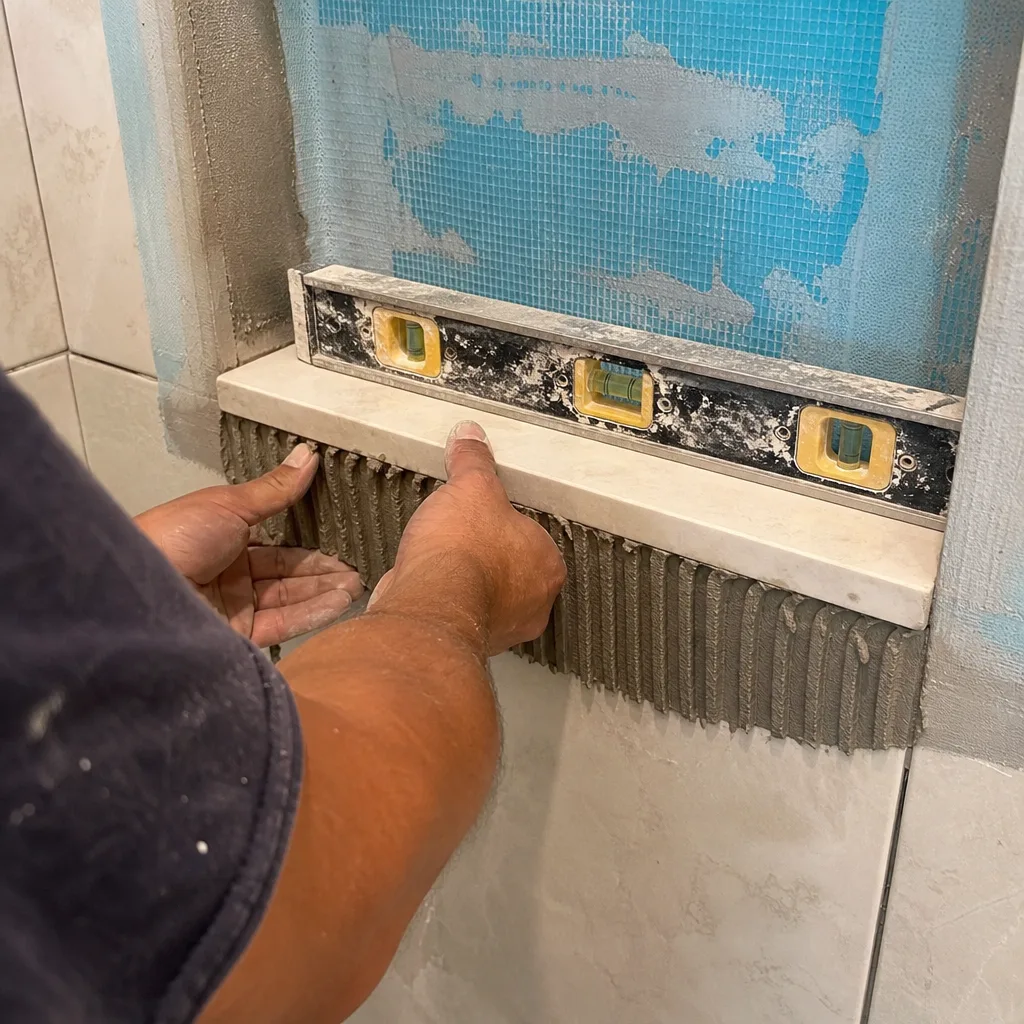
How owners usually find the problem: a window won’t latch, a door drags against its frame, or the Hardie trim around an opening starts pulling away after a few Texas storm cycles. Sometimes it’s a blown seal fogging the glass. Sometimes the flashing failed and water is sneaking in behind the siding. Either way, the part is rarely the whole story. The window or door, the trim, the flashing, and the weather barrier all work as one system, and a failure in one piece usually means the others need a hard look.
Which James Hardie Models This Applies To
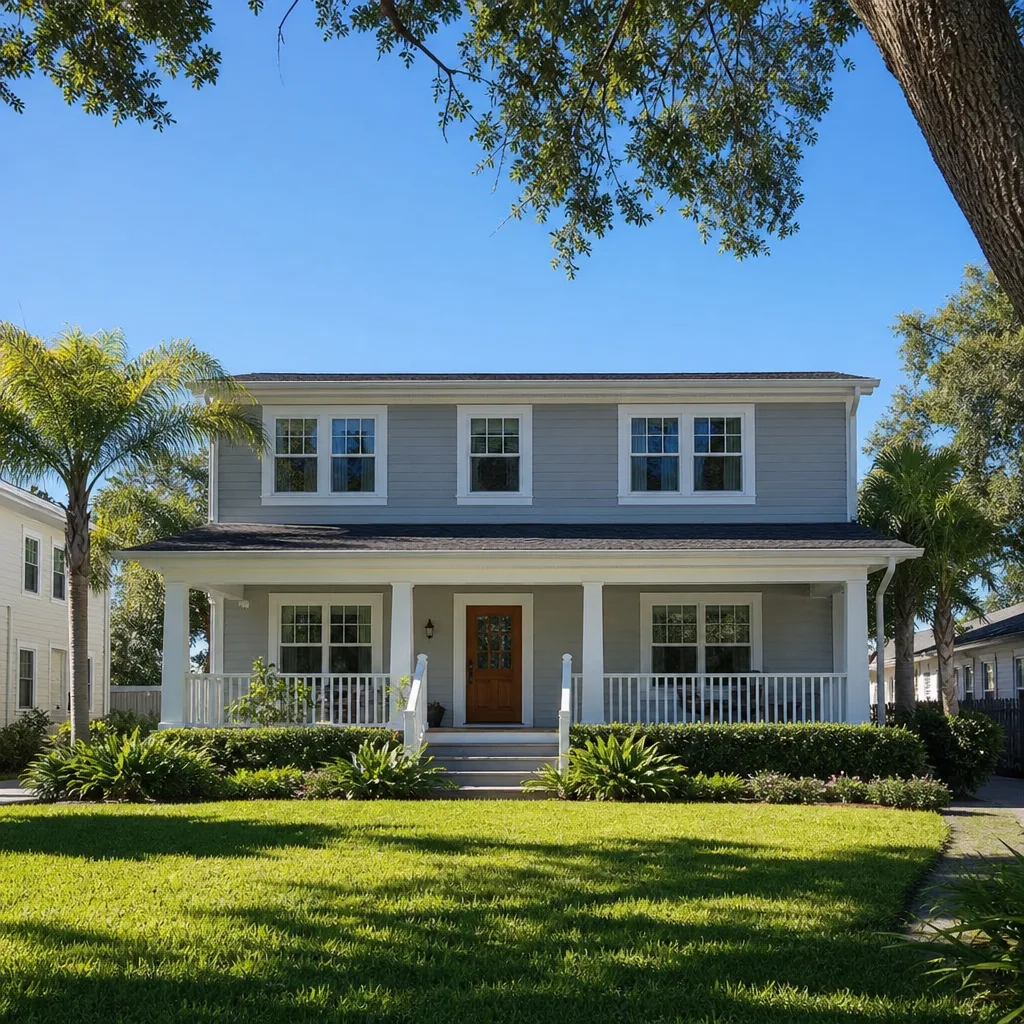
This guide covers James Hardie siding and trim systems around window and door openings, plus the replacement windows and doors that get installed into Hardie-wrapped exteriors. James Hardie doesn’t manufacture the window units themselves. They make the fiber cement siding, trim boards, and soffit that surround them. So “James Hardie windows and doors” in practice means two things: replacing a window or door inside a Hardie-clad opening correctly, and replacing damaged Hardie trim or flashing around that opening.
The compatibility gotcha most San Antonio homeowners hit: Hardie trim profiles changed over the years. Older homes may have 5/4 smooth trim boards. Newer installs often use Hardie’s ColorPlus pre-finished 4/4 trim in specific profiles. The board depth, reveal width, and fastening pattern all need to match, or the patch job shows. We always measure the existing profile and check edge thickness before ordering, because a 1/8-inch difference in reveal is visible from the street.
OEM vs quality aftermarket: for windows and doors themselves, we’re brand-flexible. Milgard, Pella, Andersen, and Jeld-Wen all install cleanly into Hardie-clad openings when flashed correctly. For the trim and flashing materials, we use Hardie product or equivalent fiber cement board. Aftermarket flashing tapes and sealants from brands like Zip System, Grace, or OSI are standard practice. The labor is where the real cost lives: cutting back rotted or water-damaged trim, re-flashing the opening, and setting the new unit square.
Styles & brands we work with







Signs Your James Hardie Windows & Doors Is Failing
- Visible water staining on interior drywall around the opening. This means water is getting behind the Hardie trim and running inward. The leak is almost always at the top flashing or a failed corner joint, not through the window itself.
- Hardie trim pulling away from the wall or cracking at corners. Fiber cement holds up well here, but a bad fastening job or years of San Antonio expansion-and-contraction cycles loosen boards. Once a board moves, water follows the gap.
- Window won’t latch or the door drags. San Antonio’s clay-heavy soil shifts as it dries out. Frames can settle out of square. Sometimes the fix is a hinge adjustment. Sometimes the opening has moved enough to warrant re-setting the unit.
- Fogged glass or condensation between panes. The seal on the insulated glass unit has failed. You can replace just the glass sash on many window lines, but if the frame is old, a full unit swap often makes more financial sense.
- Caulk cracked, shrinking, or missing along the exterior trim. This is the early warning. Caulk is the first line of defense against San Antonio’s heat and occasional wind-driven rain. If it’s failing, the flashing behind it is exposed.
See the difference
 Before
 After
After Before
 After
After Before
 After
AfterReplacement Cost & What’s Included
Here’s the San Antonio pricing picture, straight up:
- Single window replacement in a Hardie-clad opening: $4,500 to $15,000 for the full project, with smaller single-unit jobs falling between $800 and $2,500 for combined parts and labor.
- Full door replacement with Hardie trim work: typically $2,500 to $6,000 installed, depending on door quality and how much surrounding trim needs replacing.
- Hardie trim and flashing repair only (no window swap): $400 to $1,800, depending on the linear feet and access.
What drives the range: the condition of the rough opening, whether rot is present behind the trim, the window brand and glass package, and whether we’re matching a ColorPlus pre-painted trim or painting on site. Every quote includes removal and disposal of the old unit, flashing and weatherproofing, the new window or door, Hardie trim restoration, and finish caulk. The written price we hand you covers all of it. No change orders creep in later.
DIY or Call Us?
A homeowner can safely check a few things. Is the caulk cracked? Are trim boards loose to the touch? Does the door bind when the humidity drops? That’s all free to investigate. Replacing a window or door inside a Hardie-clad opening is not a weekend job. You’re dealing with glass units that weigh 60 to 150 pounds, flashing details that have to be done in the right order, and fiber cement trim that cracks if you torque it wrong. If the rough opening has rot, which it usually does in San Antonio once water’s been involved, you’re into reframing territory.
Get the wrong flashing detail and you’ve turned a $900 window swap into a $6,000 water damage claim on your insurance, assuming they cover it at all. If you just want to know what you’re dealing with, call us at (432) 547-6806 and we’ll walk through the symptom with you. If we come out, the estimate is free and the written price is what you’d pay. No surprises. That’s been the way we’ve run jobs since 2005.
FAQs
Expect 15 to 25 years from a quality replacement window or door in this climate, with Hardie fiber cement trim lasting 30 to 50 years when flashed correctly. The weak point in San Antonio is almost never the Hardie product itself. It’s the caulk joints and flashing. Those fail on a 7 to 12 year cycle and need maintenance. A well-installed opening with good flashing will outlast cheap caulk work every time. Call (432) 547-6806 if you want us to check your openings, estimates are free.
Yes, depending on the failure. Fogged glass can be swapped at the sash level on many window lines. A door that drags often just needs hinge work or a slight frame adjustment. Loose Hardie trim can be re-fastened and re-caulked. But if the rough opening is rotted or the window frame itself has warped from moisture, replacement is the honest answer. We’ll tell you which path makes sense for the money, not just for the part. Call (432) 547-6806 for a straight answer.
Most single-unit replacements finish in one day. A door with significant trim damage can take two. Multiple openings usually run three to five days depending on scope and weather. We schedule with you before we start, and you get a live arrival time the day of, not a four-hour window. You’ll know who is coming and when. That’s The Relay Visibility Guarantee on every job. Call (432) 547-6806 to schedule your free estimate.
We keep common trim profiles, flashing materials, sealants, and window and door components on hand or available within days through our local suppliers. For specialized Hardie trim colors or less common profiles, we source and order to spec so the match is correct before the old material comes off. We do the same for KraftMaid, Cambria, and Silestone products when a project spans kitchen, bath, and exterior work. Call (432) 547-6806 and we’ll check availability for your specific opening.
Written by Luca Romano, Owner, Sawyer Remodel San Antonio at Sawyer Remodel San Antonio, serving San Antonio and nearby areas.


