


Free written scope consultation - allowances, timeline, and change-order rules on paper before a single trade is scheduled
Quikrete Home Additions & ADU: The San Antonio Owner’s Guide
Concrete slab and foundation work for a home addition or ADU in San Antonio typically runs $45,000 to $130,000 installed, and the Quikrete materials we use on site are spec’d to handle Texas clay soil, summer heat, and the occasional freeze cycle. Most owners discover they have a Quikrete-related problem the same way: a crack appears where the new slab meets the old foundation, or moisture wicks up through a stem wall. The good news is that when the mix, the bag count, or the curing method was wrong, it’s usually diagnosable in one visit – and fixable without tearing the whole addition down.
Sawyer Remodel San Antonio is an independent remodeling contractor. We’re not affiliated with Quikrete, but we work with their products on addition and ADU projects across the metro every month, and we know exactly what fails and how to correct it.
Which Quikrete Models This Applies To
For home additions and ADUs in San Antonio, the Quikrete products that matter are their 5000 PSI concrete mix, the crack-resistant 5000 mix (often used for slabs over 4 inches), and their fast-setting mixes for fence posts and anchor points. The gotcha most homeowners don’t know: Quikrete 5000 is rated for 5,000 PSI at 28 days, but that curing curve assumes temperatures between 50°F and 90°F. A San Antonio August pour at 104°F can flash-set the surface layer before the core hydrates, which means hairline crazing within the first year. That’s not a product defect. It’s a placement and curing issue.
If you’re matching an existing pour, check the bag label on any leftover Quikrete from the original job. The mix code matters. Standard gray 5000 uses a different aggregate blend than the crack-resistant version, and an ADU tied into a slab poured with one can’t be extended with the other without introducing a cold joint that will telegraph through your flooring. We stock both mixes on our trucks for exactly that reason. OEM Quikrete is what we recommend for anything structural. For non-structural fills and post holes, a quality aftermarket 4000 PSI mix is usually fine – and it saves real money.
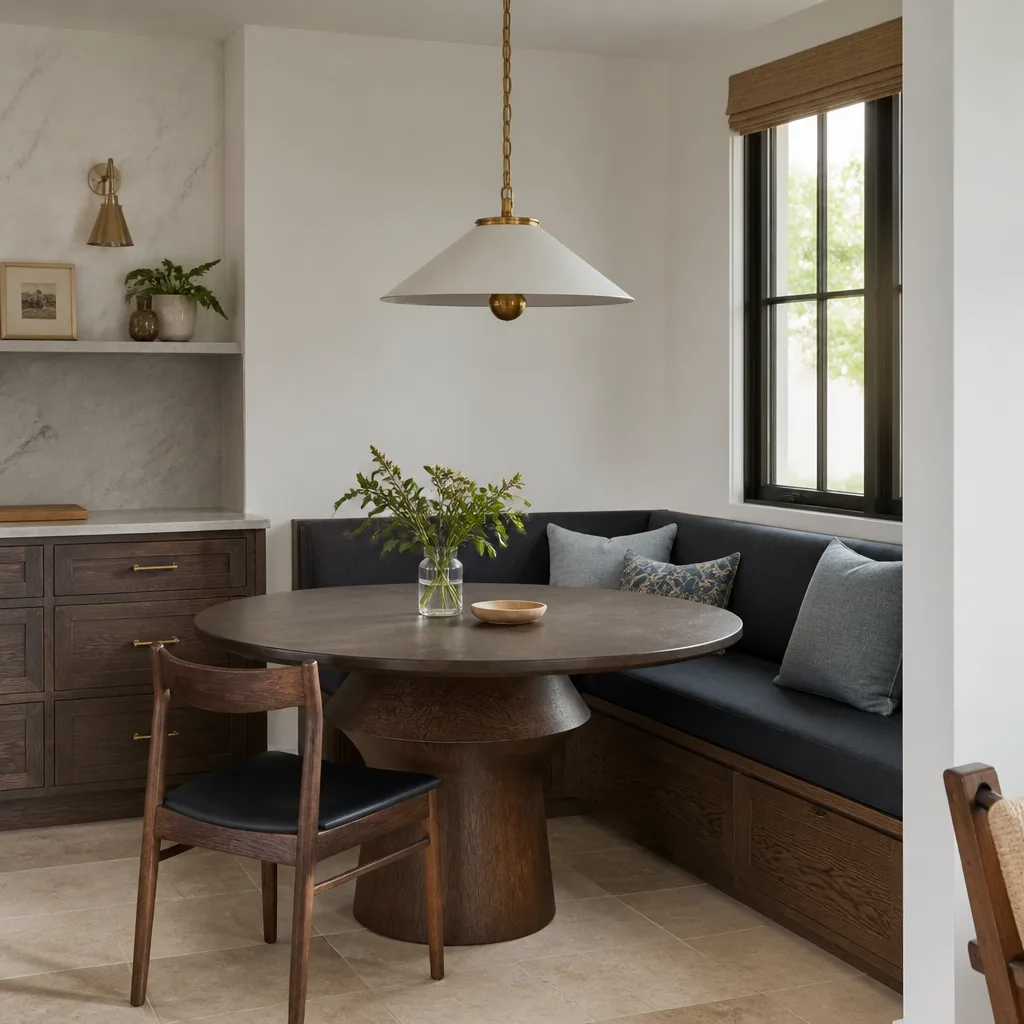
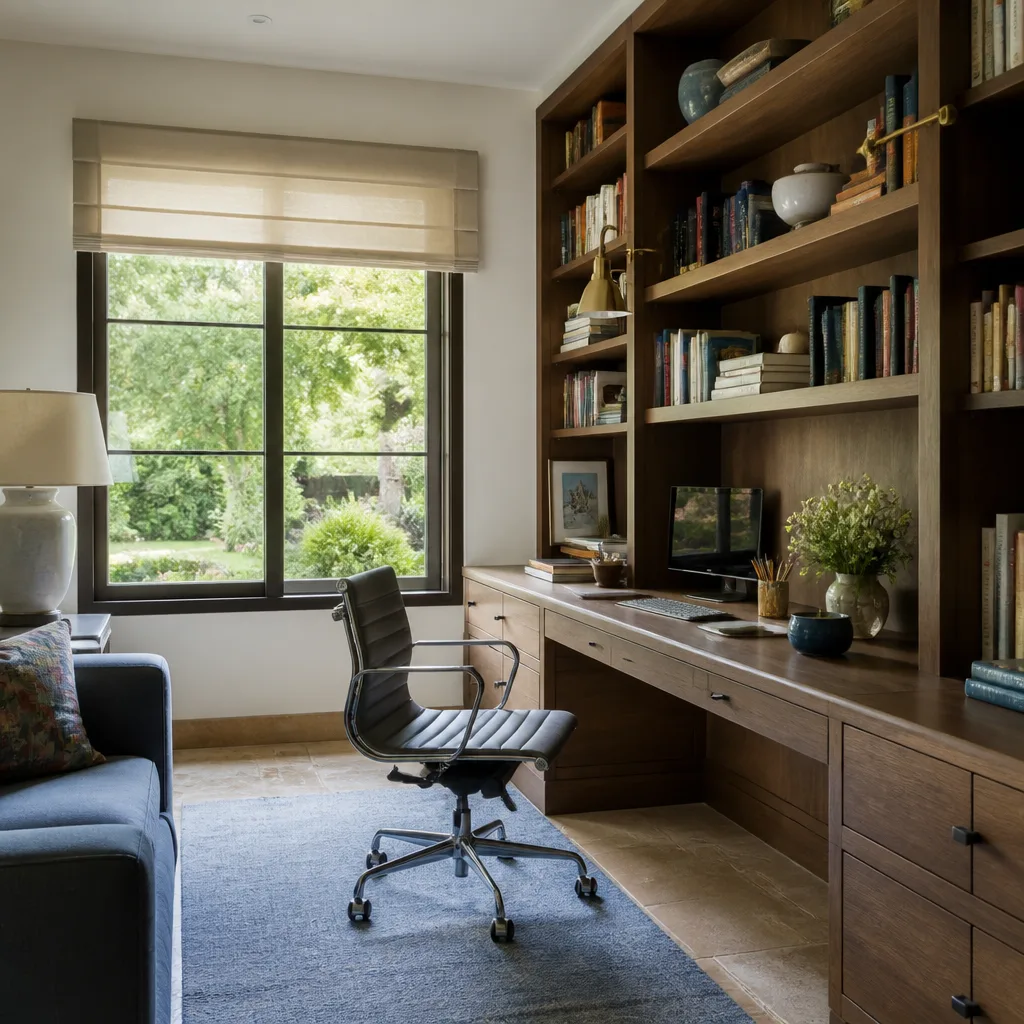
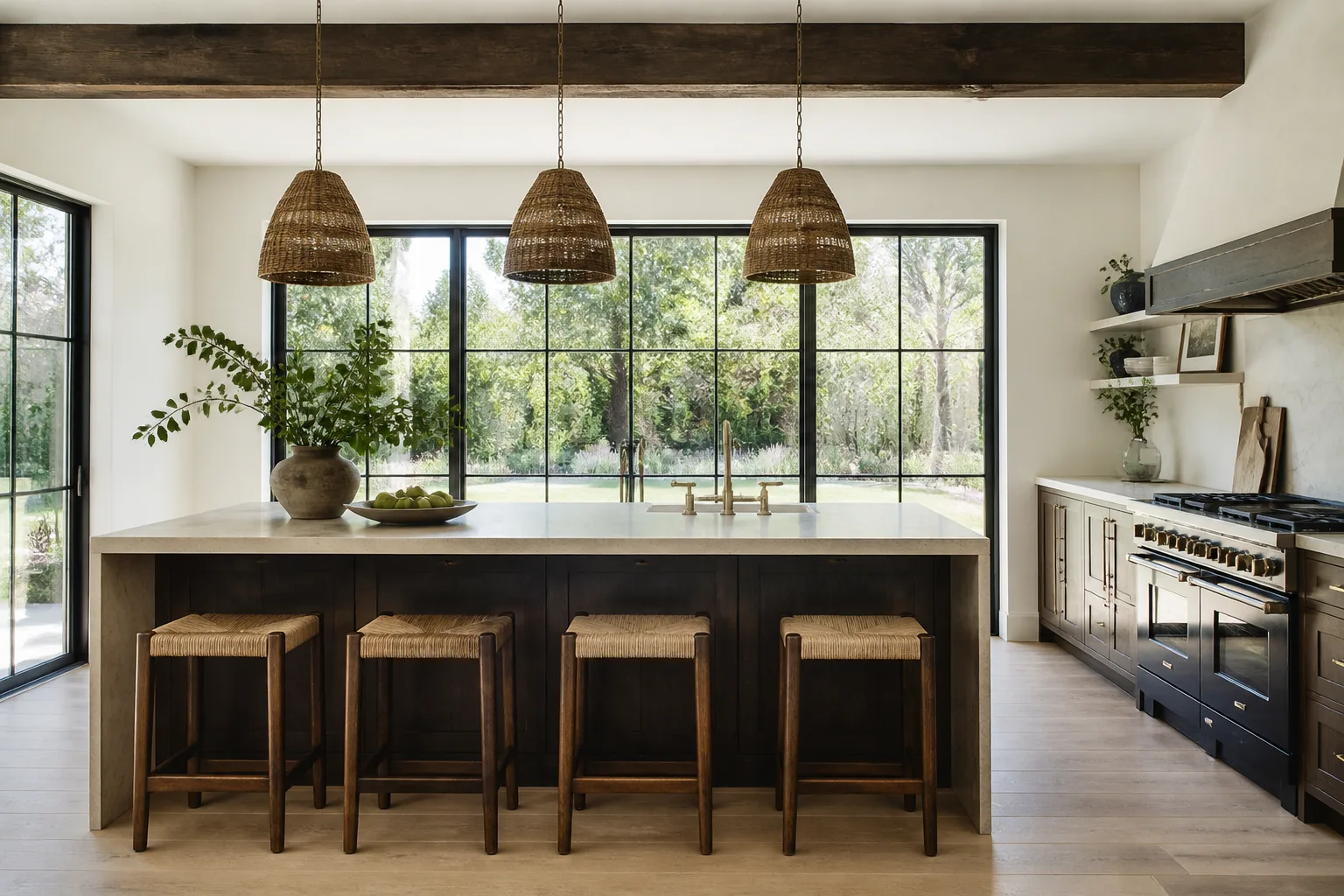
Styles & brands we work with







Signs Your Quikrete Home Additions & ADU Is Failing
- Hairline cracks appearing within 12 months of the pour. Almost always a curing issue: the slab dried too fast in the San Antonio heat, or the finisher added too much water to the mix for workability. Watered-down Quikrete loses compressive strength fast.
- Moisture staining or efflorescence on the stem wall. The vapor barrier was skipped, or the gravel base wasn’t thick enough. San Antonio’s clay soil holds water, and hydrostatic pressure will push it up through the slab if there’s no capillary break.
- The slab sounds hollow when tapped. Voids under the concrete. Either the subgrade wasn’t compacted, or the pour happened over shifting clay. This is more common in new-build areas like Cibolo and far-west San Antonio where expansive soils weren’t pre-treated.
- Doors and windows in the addition start binding. The foundation is moving. Small differential settlement can rack a door frame out of square within two years. It’s not the framing – it’s what the framing sits on.
- Water pools against the stem wall after rain. The exterior grade wasn’t sloped away from the addition. Over time, water intrusion weakens the bond between the Quikrete stem wall and the slab, and you’ll start seeing separation at that joint.
See the difference
 Before
 After
After Before
 After
After Before
 After
AfterReplacement Cost & What’s Included
A full home addition with Quikrete foundation work in San Antonio runs $45,000 to $130,000 depending on square footage, site access, and whether you’re adding a kitchen or bath (which drives plumbing and electrical). A detached ADU with a slab foundation, rough-in plumbing, and basic finishes typically lands between $90,000 and $220,000. Partial slab repair – cutting out a failed section and re-pouring with the correct mix – runs $8,000 to $25,000 for most residential jobs.
What’s included in our pricing: the written estimate with a line-item breakdown, the Quikrete mix spec’d for your soil and exposure, rebar and vapor barrier as required by San Antonio code for habitable space, grading and drainage corrections, and a full year of accountability under our 365-Day Done Right Promise. The price you approve is the price you pay. No change orders unless you ask for something different mid-project.
DIY or Call Us?
You can safely check a few things yourself: look for water pooling against the stem wall after a storm, check for cracks wider than a dime, and tap the slab with a hammer to hear if it echoes. Those observations help us diagnose faster when we arrive. What you shouldn’t DIY is cutting out and re-pouring a load-bearing section of slab, or attempting to jack and shim an ADU that’s settled. The rebar placement, dowel drilling, and mix timing on a structural repair are not forgiving. If the concrete is under living space, a botched pour means tearing out the framing above it. That’s a $50,000 mistake on a $5,000 savings.
If you’re seeing any of the failure signs above, call us at (432) 547-6806. Luca will come out, look at the slab and site conditions, and give you a straight answer about whether it’s a repair or a do-over – and what it’ll cost.
FAQs
A properly poured and cured Quikrete 5000 slab should last 30 to 50 years in San Antonio’s climate. The failures we see at the 1-to-3-year mark are almost always installation issues: overwatering the mix, skipping the vapor barrier, or pouring on uncompacted clay.
Yes, if the crack is stable, less than a quarter-inch wide, and not caused by ongoing settlement. We can stitch it with epoxy injection or saw-cut and re-pour the affected section. Call (432) 547-6806 and we’ll tell you which applies after looking at it – the assessment is free.
Most partial slab repairs take 3 to 5 days: one day to saw-cut and demo, one day for rebar and formwork, one day to pour, and two to four days of cure time before light framing loads can resume. Full cure is 28 days, but you don’t need to wait that long before we build on it.
We keep Quikrete 5000, crack-resistant 5000, and fast-setting mix on our trucks for addition and ADU work, along with rebar, ties, and vapor barrier. If you’re mid-project and short a few bags, call (432) 547-6806 – if we’re in your part of San Antonio that day, we can drop them off for cost plus a small delivery fee.
No. The written price you approve before we start is the price you’re invoiced. The only way the number changes is if you change the scope – adding square footage, moving plumbing, upgrading finish materials. We put that in writing on every project. It’s how we’ve done it since 2005.
Luca Romano grew up in East Los Angeles, learned the trade at Los Angeles Trade-Technical College, and has been swinging hammers on real jobs across the Southwest for decades. He still walks every San Antonio project himself before we hand it over. The craft comes first. Everything else follows.
Written by Luca Romano, Owner, Sawyer Remodel San Antonio at Sawyer Remodel San Antonio, serving San Antonio and nearby areas.


