


Free written scope consultation - allowances, timeline, and change-order rules on paper before a single trade is scheduled
Silestone Home Additions & ADU: The San Antonio Owner’s Guide
If you’re planning a home addition or ADU in San Antonio and want Silestone surfaces throughout, installed pricing typically lands between $45,000 and $130,000 depending on square footage, foundation work, and finish level. We stock Silestone slabs and coordinate every phase of the build so your countertops, island, and wet bar arrive cut to spec and installed by the same crew framing your walls. Most homeowners call us after they’ve realized their existing layout can’t support the addition they want, or after a previous contractor quoted the job without ever mentioning what the countertop schedule would do to the timeline.
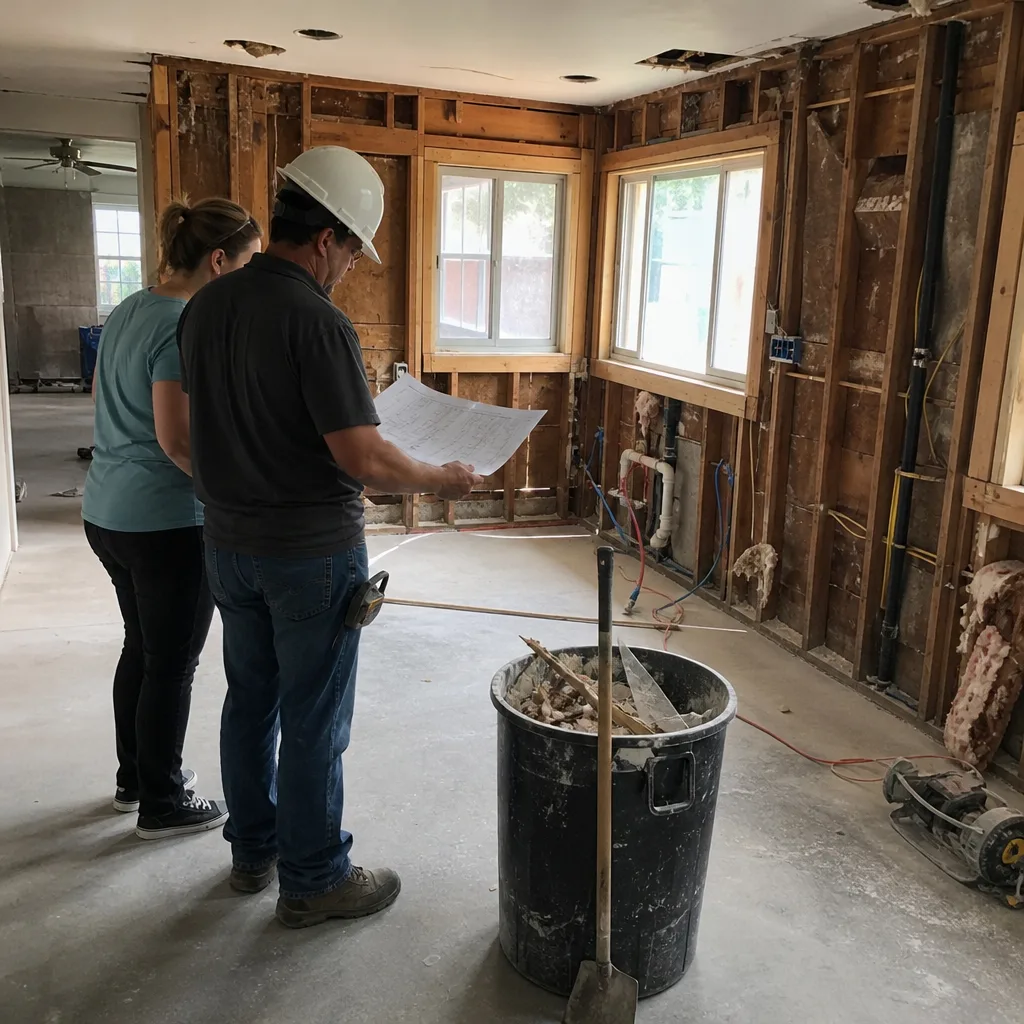
What we see most often in San Antonio: a homeowner has a Silestone kitchen surface that’s failed at the seam or cracked near the overhang, and they’re deciding whether to patch it or fold the repair into a larger addition. The answer usually depends on whether the slab is still under manufacturer coverage and whether the subfloor or cabinet run underneath has shifted. Texas clay soil moves. That movement shows up in countertop seams first.
Which Silestone Models This Applies To
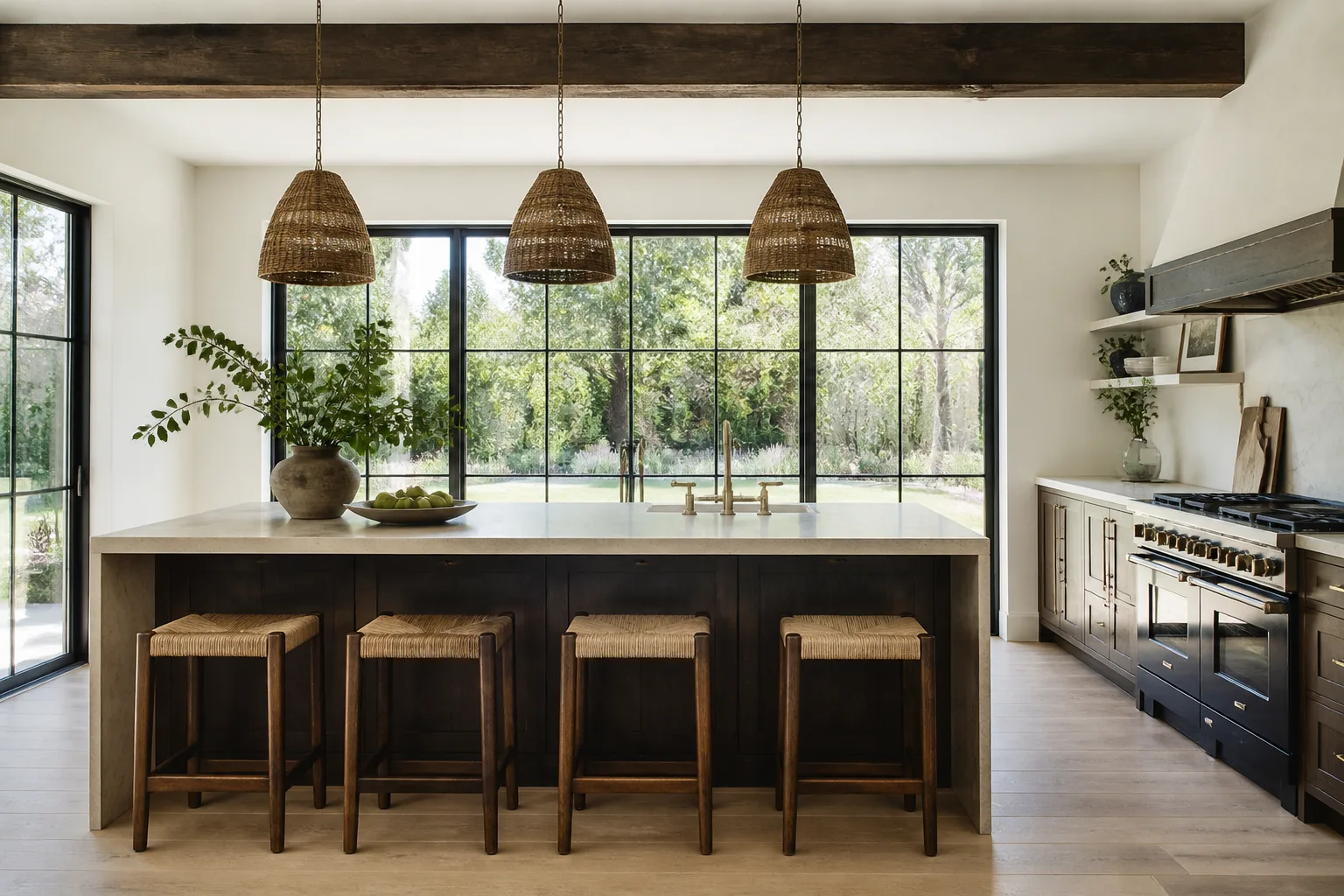
Silestone runs its color lines through several series: the standard quartz line, the Suede and Volcano textured finishes, and the newer HybriQ+ low-silica formulation that’s become common in the last few years. For home additions and ADU work, the series matters less than two things: slab size and edge profile. Standard Silestone slabs run 55 by 120 inches (the “jumbo” format is 63 by 128), and a full-height kitchen island in an ADU often needs two slabs to avoid a seam in the wrong place.
One gotcha we check before ordering: Silestone HybriQ+ slabs are slightly thinner at 2 cm versus the classic 3 cm, which affects how your overhang is supported and whether you need plywood subtop rather than direct-set on cabinets. If your existing kitchen has the older 3 cm material and you’re adding on, we can match color but not always thickness, so the transition joint has to be planned deliberately. As an independent contractor, we’re not affiliated with Silestone, but we work with their authorized distributors in San Antonio and can pull any current or recently discontinued color from regional stock.
Styles & brands we work with







Signs Your Silestone Home Additions & ADU Is Failing
- Seam separation at the island or run joint. This is almost always subfloor movement or cabinet settling, not a Silestone defect. In San Antonio’s clay-heavy soil, pier-and-beam additions shift seasonally and the countertop seam is where that movement becomes visible.
- Hairline cracks radiating from a cooktop cutout. That cutout removes structural material, and if the fabricator didn’t radius the inside corners properly, the slab will crack under heat cycling. This is a fabrication issue, not a material failure, and it’s repairable only by replacing the slab.
- Chipping along an eased edge on a high-traffic peninsula. Eased and pencil edges look clean but they’re more vulnerable to pot impact than a full bullnose. We see this most in ADU kitchens where the peninsula doubles as the only eating surface.
- Dull patches that no cleaner will fix. That’s typically etching from acidic cleaners on an older Silestone line, or a worn factory polish. A professional re-polish can restore it without replacing the slab.
- Water staining or darkening at the sink seam. If the installer didn’t use a 100% silicone caulk rated for quartz at that joint, water wicks underneath and discolors from below. That’s a reseal job plus potential cabinet inspection.
See the difference
 Before
 After
After Before
 After
After Before
 After
AfterReplacement Cost & What’s Included
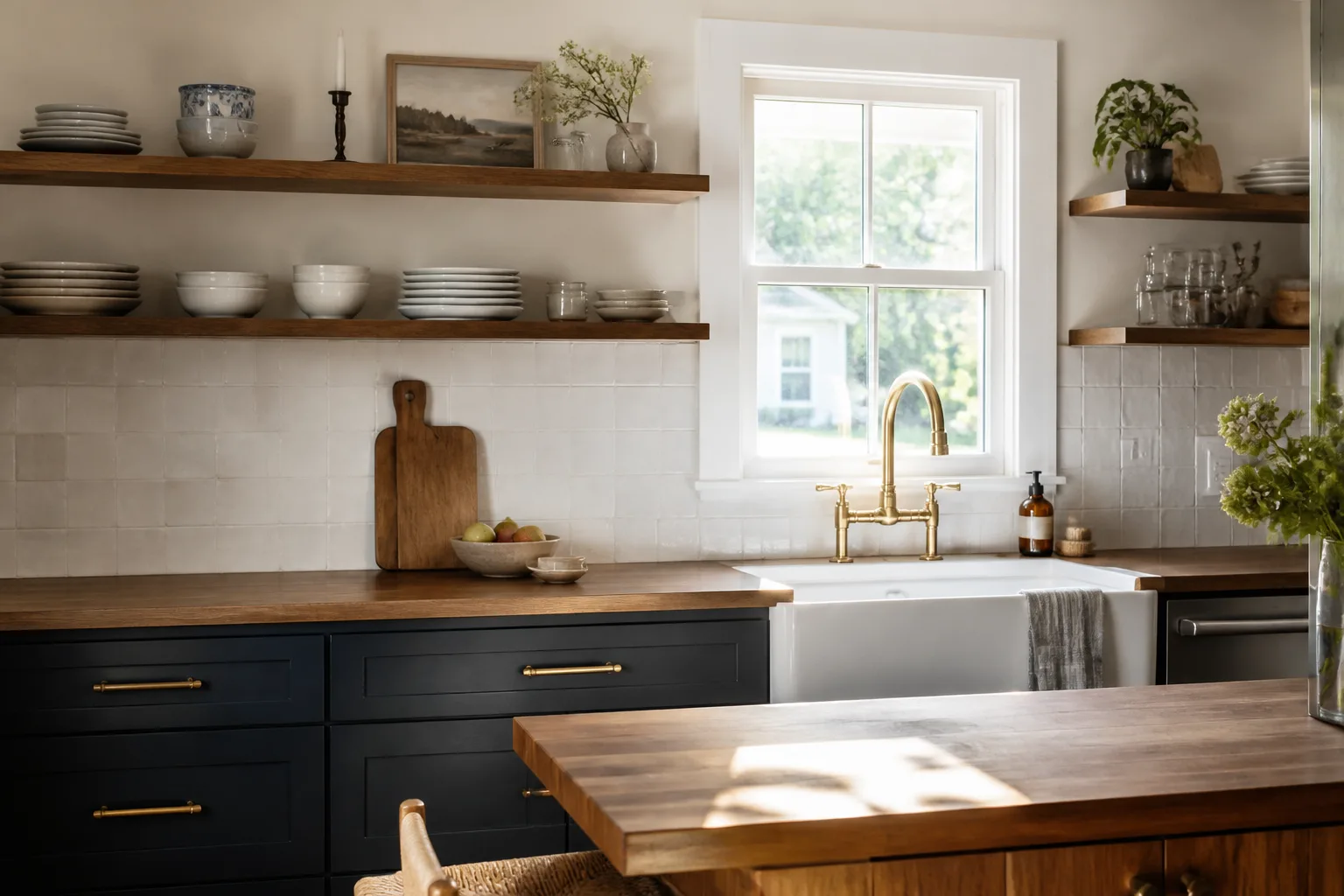
For a San Antonio home addition or ADU where Silestone is specified, you’re looking at $45,000 to $130,000 all-in for the build, with the countertop material and fabrication typically running $2,000 to $6,500 of that depending on slab count and edge profile. A standalone Silestone countertop replacement in an existing kitchen runs $2,000 to $6,500 installed, including template, fabrication, and haul-away of the old surface.
What drives the range: how many slabs, whether the new run needs a seam, the edge profile you pick, and whether the base cabinets underneath need leveling or reinforcement first. We give you a written line-item price before work starts, and the number on that sheet is the number you pay. No change orders, no “we found rot” surprises at the invoice. The 365-Day Done Right Promise covers the install: if the seam opens or the edge chips because of our workmanship within a year, we fix it on our dime.
DIY or Call Us?
You can safely handle a few things yourself: check the caulk line at your sink, run a level across the slab to see if the cabinet run has dropped, and photograph any cracks for your records. What you shouldn’t do is try to move, shim, or re-set a quartz slab. Silestone is heavy (roughly 18 pounds per square foot for 3 cm material), brittle at the edges, and a dropped corner means a shattered slab and a trip to urgent care. If the seam has separated, forcing it back with adhesive almost always makes the problem worse because it traps the underlying movement instead of fixing it.
If your Silestone looks tired, cracked, or just wrong for the addition you’re planning, call us at (432) 547-6806. We’ll come out, measure what you have, and tell you straight whether it’s a repair or a replacement. Estimates are free.
FAQs
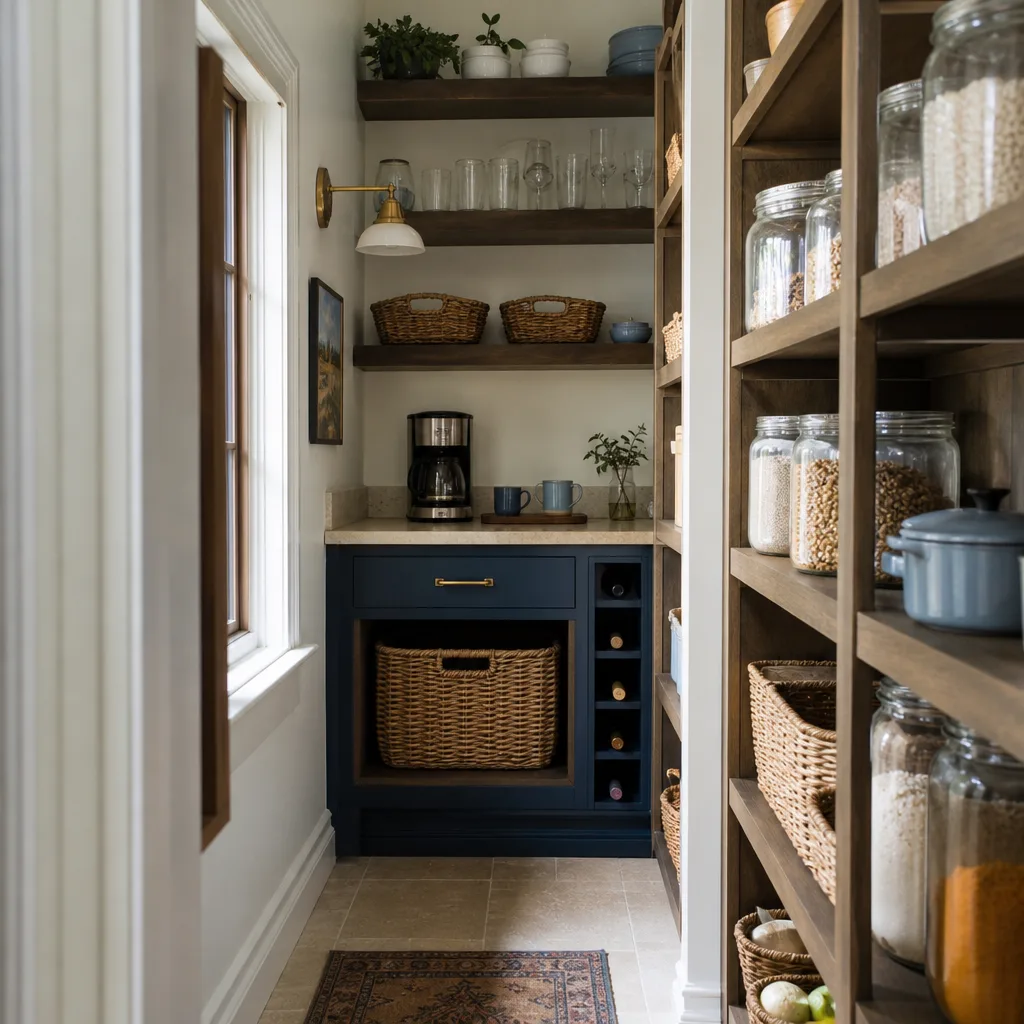
Silestone quartz typically lasts 20 to 25 years under normal residential use before cosmetic wear becomes noticeable, and San Antonio’s hard water and sun exposure don’t shorten that lifespan meaningfully for indoor surfaces. Outdoor kitchens are a different story: direct UV will fade some Silestone colors within 5 to 8 years, so we recommend a UV-stable color for any exterior run. Call (432) 547-6806 if you’re deciding between indoor and outdoor placement.
A crack can be filled and color-matched so it’s less visible, but it will never regain structural strength, and in San Antonio’s shifting clay soil the crack usually propagates again within a season or two. If the crack is in a low-stress area like a backsplash return, repair is fine; if it runs through a cooktop cutout or overhang, replacing the slab is the only fix that holds. We’ll tell you which one you’re looking at during the free estimate.
A full template-to-install swap usually takes 5 to 10 business days, and we coordinate the template appointment so your cabinets are already set and level when we arrive. The fabricator cuts the slab off-site in about 3 to 5 days after templating, then our crew installs it in a single day. For a full addition or ADU, the countertop is one scheduled milestone inside the larger build, usually two to three months in.
We don’t warehouse slabs ourselves, but we have direct access to regional Silestone distributor inventory in the San Antonio area, which means most colors are available within a week of template. We can also source KraftMaid cabinetry to go under the Silestone, Cambria or Kohler fixtures for the rest of the space, and we’ll coordinate it all from one schedule so you’re not playing project manager. Call (432) 547-6806 and we’ll check current stock for the color you want.
When you’re ready to talk numbers on a Silestone home addition or ADU in San Antonio, call (432) 547-6806 for a free estimate. Luca Romano still walks every job in person, and he’ll give you a straight answer on what your Silestone situation actually requires. The craft comes first. Everything else follows.
Written by Luca Romano, Owner, Sawyer Remodel San Antonio at Sawyer Remodel San Antonio, serving San Antonio and nearby areas.


