
Free written scope consultation - allowances, timeline, and change-order rules on paper before a single trade is scheduled
Unilock Home Additions & ADU: The San Antonio Owner’s Guide
If you’re planning a home addition or ADU that pairs with Unilock hardscape products, you’re likely looking at an installed range of $45,000 – $130,000 here in San Antonio, depending on square footage, foundation work, and the scope of the Unilock paver or wall integration. Most owners reach out to us when an existing Unilock retaining wall or paver patio needs to be tied into a new structure, or when an older ADU foundation has shifted and the Unilock pavers around it have started separating.
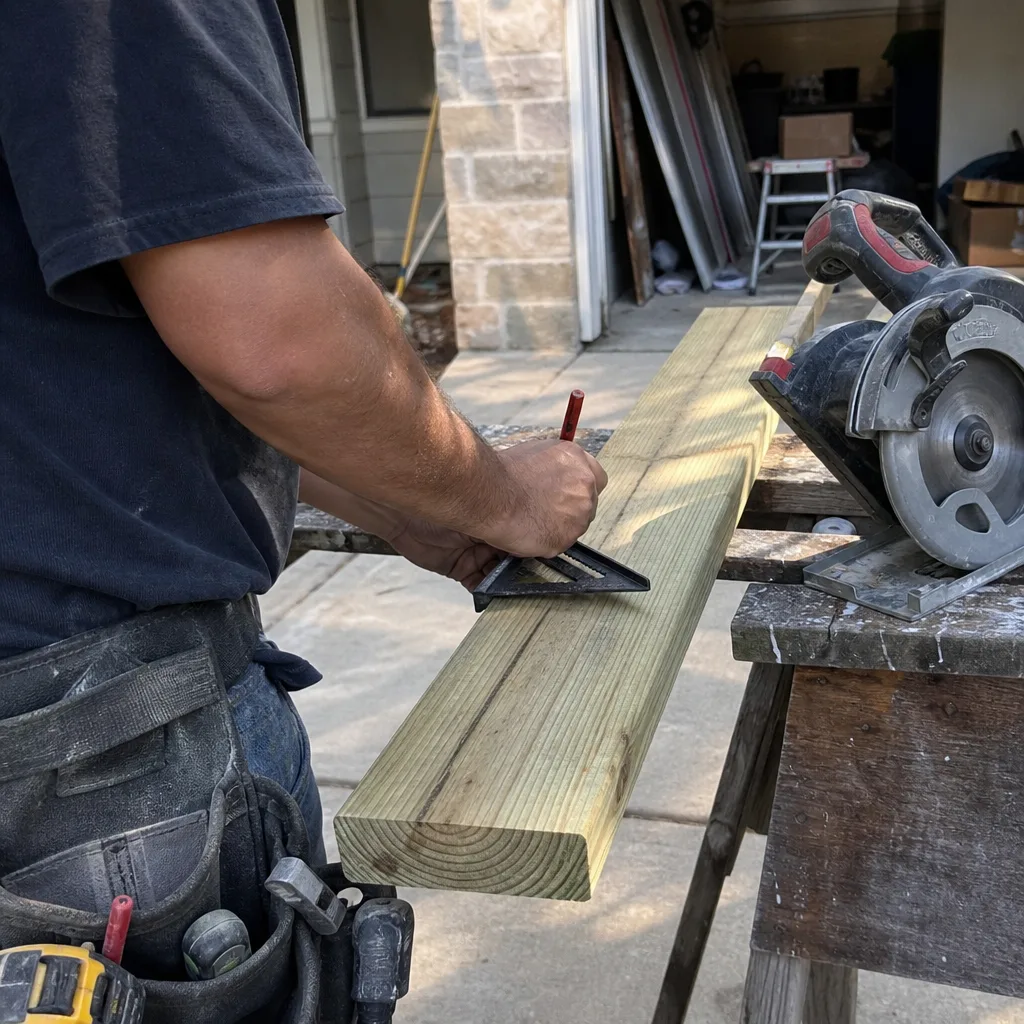
We’re Sawyer Remodel San Antonio, and we handle Unilock-compatible home additions and ADU projects from the first site evaluation through final inspection. The most common failure point we see isn’t the Unilock product itself: it’s the base layer underneath, which shifts in San Antonio’s clay-heavy soil and takes the pavers with it. Luca Romano and our crew have rebuilt enough of these to know exactly what holds up here.
Which Unilock Models This Applies To
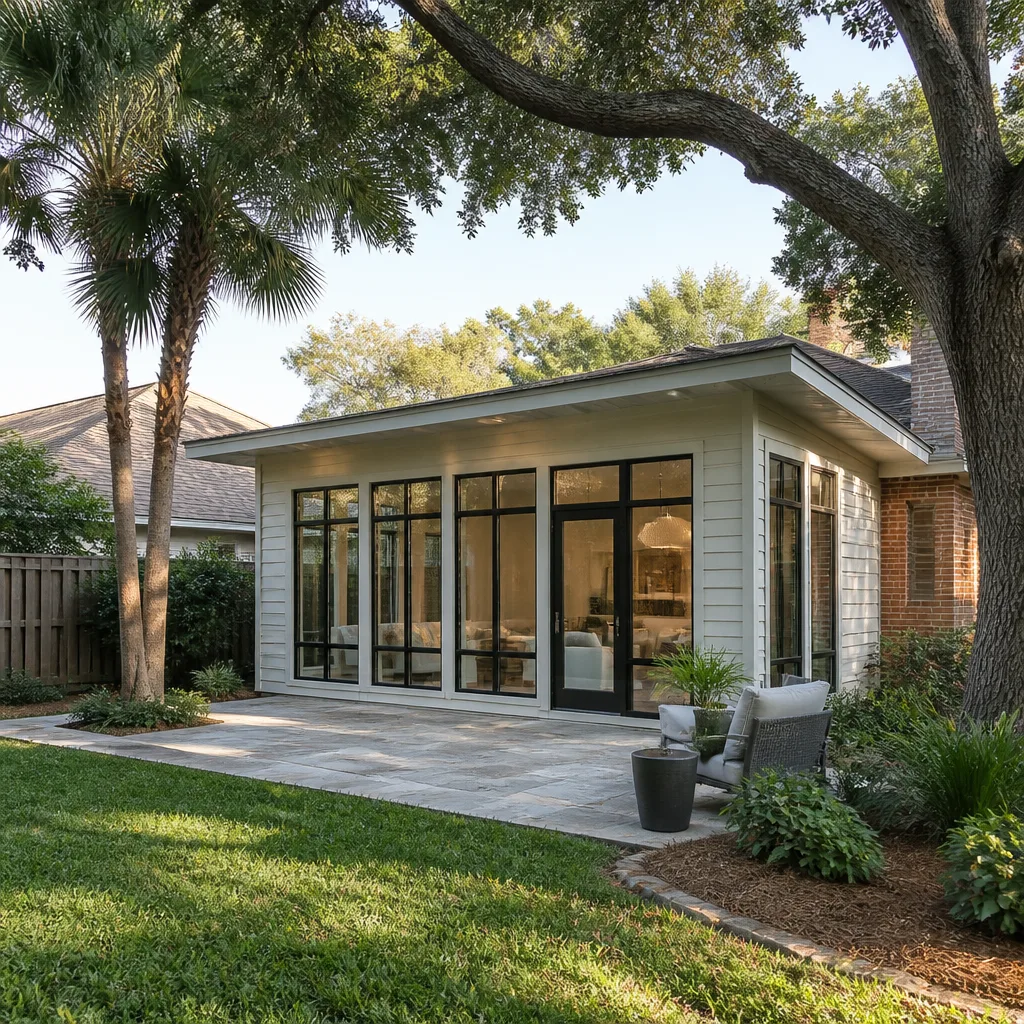
Unilock doesn’t make home additions or ADUs. What they make are the hardscape components: paver systems, retaining wall blocks, and coping stone that often surround or support a detached addition. The compatibility question is about which Unilock product lines work structurally with a new build. In San Antonio, we regularly install Unilock’s Town Hall pavers, Brussels Block, and Rivercrest Wall around new ADUs and room additions. Each has different base requirements and edge restraint specs.
Here’s the compatibility gotcha most homeowners miss: Unilock wall systems come in different unit depths, and a retaining wall that’s fine for landscaping isn’t always rated to hold the lateral load of a slab-on-grade addition. If your addition is within 3 feet of a Unilock wall, that wall needs to meet San Antonio building code for surcharge loads, which often means a geogrid-reinforced base and deeper embedment. We check this on every quote.
As for OEM versus aftermarket: Unilock pavers and blocks are proprietary mixes and molds, so when you’re extending a patio or wall as part of an addition, you want actual Unilock product, not a look-alike from a different manufacturer. Color and texture mismatch is the number one complaint we hear from homeowners who used a cheaper substitute. We order directly through Unilock’s Texas distribution channels and can source discontinued color runs when needed. Sawyer Remodel San Antonio is an independent contractor, not a Unilock dealer, so we’re free to tell you when the real thing matters and when it doesn’t.
Styles & brands we work with







Signs Your Unilock Home Additions & ADU Is Failing
- Pavers sinking or dipping near the addition’s foundation. This almost always means the base layer wasn’t compacted properly, or water is undermining it. In San Antonio’s alternating drought and downpour cycles, clay soil expands and contracts aggressively, and an inadequate base fails within 2 to 4 years.
- Retaining wall leaning toward or away from the structure. A wall that’s moving is under too much load or losing its footing. If it’s within a few feet of your ADU, this is a structural issue, not a cosmetic one.
- Gaps opening between pavers and the addition’s slab edge. When a new slab settles slightly and the surrounding Unilock surface doesn’t move with it, you get a lip or a gap. That’s a trip hazard and a drainage problem.
- Water pooling against the ADU’s exterior wall. Unilock pavers should slope away from any structure at roughly 1/4 inch per foot. If they don’t, water sits against your sill plate and you’ll see rot, termites, or both.
- Efflorescence (white chalky residue) spreading across pavers near the new build. This isn’t failure on its own, but when it appears in large patches after an addition goes in, it usually means water is moving through the paver bed and bringing salts to the surface, which tells us drainage needs rework.
See the difference
 Before
 After
After Before
 After
After Before
 After
AfterReplacement Cost & What’s Included
A full home addition in San Antonio with Unilock hardscape integration runs $45,000 – $130,000. A standalone ADU with Unilock patio and walkway work lands between $90,000 and $220,000. If you’re just repairing or re-leveling Unilock pavers around an existing structure, that’s a smaller job, typically $3,500 – $11,000 for a paver patio correction or $7,000 – $18,000 for a paver driveway rebuild.
What drives the range: foundation type (pier and beam costs more than slab), utility tie-ins for ADUs, whether the Unilock wall needs structural reinforcement, and the square footage of hardscape you’re adding. Every quote from us includes a written line-item price before any work starts, so you’ll see exactly what the pavers cost, what the labor costs, and what the base prep costs. No change orders unless you request a change. Our 365-Day Done Right Promise covers the work for a full year. If something isn’t right, we come back and make it right.
DIY or Call Us?
You can safely do a visual check: walk the perimeter of your addition or ADU after a rain and look for pooling water, cracked pavers, or a wall that’s out of plumb by more than a half inch. Mark problem spots and take photos. That’s useful groundwork.
What you shouldn’t do is start pulling pavers and rebuilding a base layer yourself, especially near a load-bearing wall. Digging next to a foundation without knowing the existing footing depth or drainage design can create new problems, and a poorly re-compacted base will fail again within a year. This is one of those jobs where the prep work is 80% of the outcome. If your Unilock surface is tied to a structure, get someone who’s done it in San Antonio soil. Call us at (432) 547-6806 and we’ll come look at it, no charge for the estimate.
FAQs
Unilock pavers themselves typically last 25 – 30 years or more, but the base underneath has a shorter reality here, often 10 – 15 years before San Antonio’s clay soil movement causes enough dips and shifts to need rework. The pavers may still look fine while the base quietly fails. If the original install was on a properly compacted, geogrid-reinforced base with good drainage, expect the upper end of that range. Call (432) 547-6806 if you want us to check your existing base before you build on it.
Yes, if the blocks themselves are intact and the issue is limited to base settlement or a failing drainage layer, we can often disassemble just the affected section, re-compact the base, and reset the same blocks. In San Antonio, localized repair works when less than 20% of the wall has moved. Beyond that, rebuilding is usually cheaper per square foot than repeated spot fixes, and you get a wall that’s actually stable. We’ll quote both options and you pick.
The hardscape work, meaning the paver base, Unilock install, and edge restraints, usually takes 3 to 7 working days for a typical addition or ADU in San Antonio, assuming no significant weather delays. The full addition or ADU project runs months, but the Unilock surface is one of the faster phases if the site prep is done right. We’ll put the timeline in writing before we start.
We don’t warehouse Unilock inventory; we order per project through Unilock’s Texas distribution network, which gets San Antonio deliveries within a week in most cases. That means you get fresh product from the same manufacturing batch instead of pavers that have been sitting in a yard losing color consistency. We also work with KraftMaid, Cambria, and Silestone for interior surfaces when your addition includes kitchen or bathroom work.
Written by Luca Romano, Owner, Sawyer Remodel San Antonio at Sawyer Remodel San Antonio, serving San Antonio and nearby areas.


